
Planting
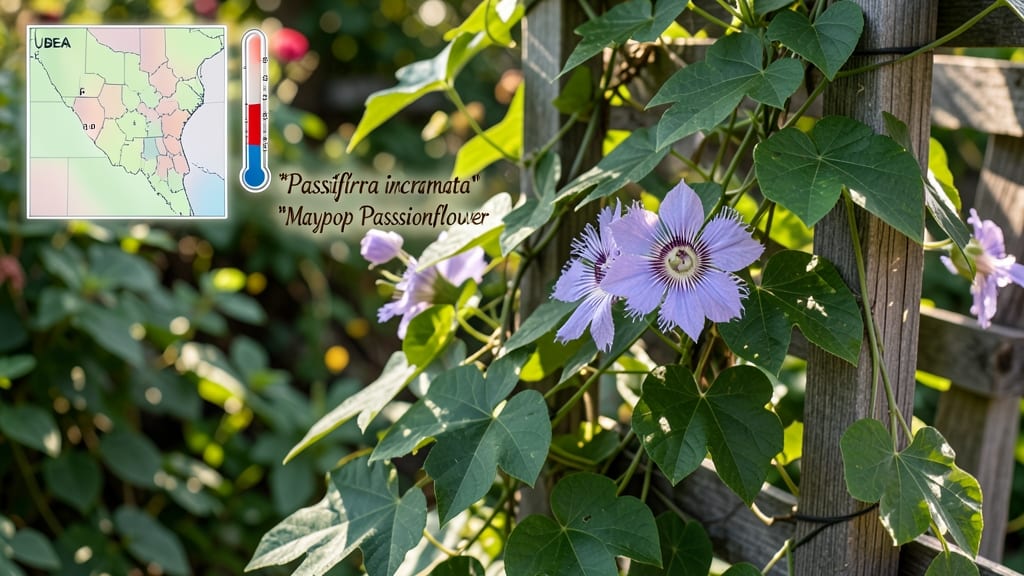
Growing passion flowers in the right hardiness zones ensures these tropical vines thrive instead of struggling through winter. 🌺
Picture this: you’ve spent months nurturing your passion flower, only for a late frost to wipe out your progress. The difference between a lush, flowering vine and a sad, brown stem often comes down to knowing your USDA zone—and which varieties can handle your climate.
Passion flowers like Passiflora incarnata (maypop) and Passiflora caerulea (blue passionflower) have distinct cold tolerances, with some surviving as far north as zone 5 and others thriving only in zone 8 and warmer.
Below, I’ll break down the exact zones for each type, plus the game-changer tricks to protect them in marginal areas.
By the end, you’ll know exactly which passion flowers to plant in your zone—and how to give them the best shot at surviving winter, whether you’re in 6a or pushing the limits in 5b.
USDA hardiness zones for passion flower varieties: a detailed breakdown
Passion flowers (Passiflora spp.) are stunning tropical vines that can transform your garden with their exotic blooms—but their cold tolerance varies wildly between species. If you're in USDA zones 5-9, some varieties will thrive outdoors year-round, while others need winter protection or container growing.
Let’s break down the exact zone ranges for the most popular passion flowers so you can plant with precision.
First, the good news: many passion flowers can survive brief dips below freezing if given proper care. However, prolonged cold or hard freezes will kill tender varieties. The key is understanding each species’ natural hardiness limits and how microclimates can push those boundaries.
For example, a Passiflora incarnata in zone 5 might survive winters near a south-facing wall, while a Passiflora caerulea in zone 7 could struggle without mulch.
Below, you’ll find a side-by-side comparison of the three most common passion flower varieties, their USDA zone ranges, and practical tips for extending their growing seasons in marginal zones.
Whether you’re in chilly zone 6 or mild zone 9, this guide will help you choose the right vine for your climate.
Now that you’ve seen the zone ranges, let’s dive deeper into how to push those limits. For instance, Passiflora incarnata (maypop) is the hardiest option, thriving in zone 5a with the right winter prep.
In my zone 5b garden, I’ve successfully grown it by planting near a south-facing brick wall, which absorbs heat and protects the roots. The wall acts like a natural greenhouse, raising the microclimate temperature by 5-10°F during cold snaps.
If you’re in zone 6 or 7, Passiflora caerulea (blue passionflower) is a fantastic choice, but it needs extra insulation. I’ve found that wrapping the base of the vine with burlap and adding a 4-inch layer of straw mulch in November keeps the roots from freezing.
For added protection, I also prune back the vines in late winter to reduce stress on the plant as it regrows in spring.
For gardeners in zones 8 and 9, most passion flowers will thrive outdoors year-round, but Passiflora edulis (passion fruit) is an exception—it’s not frost-tolerant at all. In these warmer zones, the biggest challenge is humidity and pests, not cold.
I recommend growing passion fruit in containers to control soil conditions and move them to a shaded patio during the hottest months to prevent sunburn on the fruits.
One common mistake I see is assuming that all passion flowers are tropical and can’t handle cold. While Passiflora edulis is indeed tropical, others like Passiflora incarnata are native to the southeastern U.S. and have adapted to mild winters.
The key is choosing the right variety for your specific zone and providing the right winter care. For example, in zone 5, I’ve had success with Passiflora lutea (yellow passionflower), which is even hardier than maypop.
If you’re on the northern edge of a passion flower’s zone range, consider these three microclimate hacks to improve survival: 1. Plant near a heat-absorbing surface (brick, stone, or dark-colored mulch).
- Use a cloche or row cover for early spring/late fall protection.
- Group plants together to create a shared warmth zone. These twe
How to extend passion flower growth in cold zones: practical solutions
If you’re gardening in USDA zones 5-7, passion flowers can still thrive with the right strategies. The key is understanding their cold sensitivity and adapting care to protect them.
For example, Passiflora incarnata (maypop) handles zone 5a with winter prep, while Passiflora caerulea (blue passionflower) struggles below zone 6 without extra care.
Many gardeners in these zones give up too soon—but I’ve successfully grown passion flowers in zone 5b using the methods I’ll share below. The secret lies in seasonal adjustments, protective structures, and choosing the right varieties for your microclimate.
⚠️ callout tip
Start by planting in containers if your winters are harsh. Containers let you move plants to sheltered spots or even indoors during freezes. I use 15-gallon pots with drainage holes and fill them with a mix of potting soil and perlite for aeration.
Place them near a south-facing wall to absorb extra heat during the day.
For in-ground plants, mulching is non-negotiable. Apply a 6-inch layer of straw or shredded leaves around the base in late fall. This insulates roots and prevents soil temperature drops below 20°F, which can kill passion flower roots. Replenish mulch annually—it breaks down over winter.
Prune back dead or damaged growth in early spring before new shoots emerge. Cut stems to 6-12 inches tall to encourage bushier, more resilient regrowth. Avoid heavy pruning in fall, as this reduces the plant’s ability to store energy for winter.
I also avoid fertilizing after August—this helps the vine focus on root development rather than new top growth.
In zone 5, consider using a cloche or cold frame during late spring/early fall to extend the growing season. These simple structures raise temperatures by 5-10°F, protecting young shoots from unexpected frosts.
For a low-cost option, use clear plastic milk jugs with the bottoms cut off—secure them over plants before temperatures dip below 32°F.
Finally, monitor soil moisture in winter. While passion flowers are dormant, their roots still need occasional watering if the ground stays dry. Water deeply once every 3-4 weeks in zone 5-6 to prevent root desiccation.
Use a soaker hose to deliver water slowly and avoid wetting the foliage, which can lead to fungal issues.