
Flowers
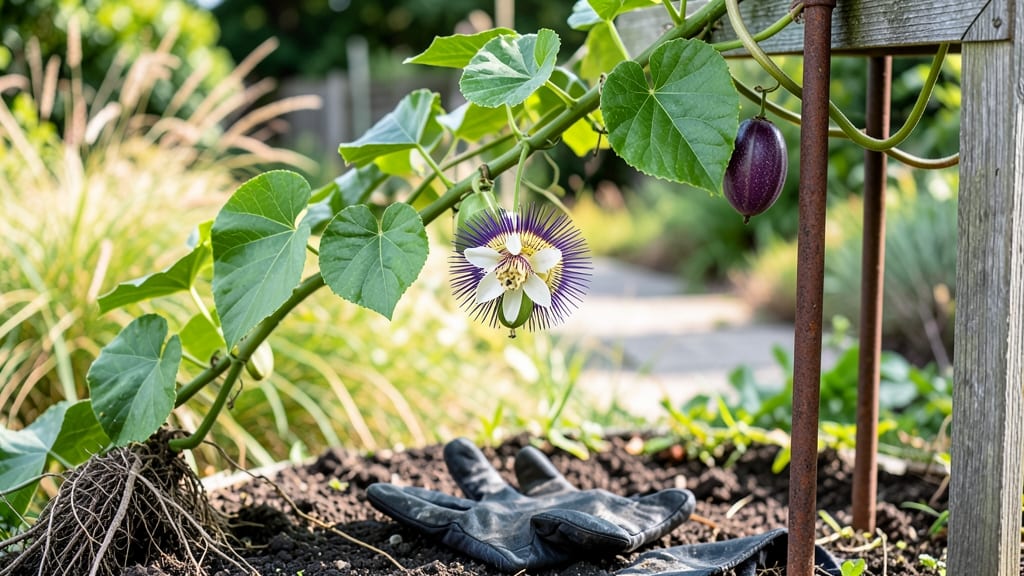
Transforming a passion fruit 🍈 flower into a ripe, sweet fruit is one of gardening’s most thrilling processes—but it requires patience, the right conditions, and a few key tricks to pull it off.
Picture this: a single exotic bloom unfurls into a vibrant, edible treasure, but only if you time the pollination, protect the young fruit, and prune like a pro. Without these steps, your vine might drop blossoms or produce tiny, underdeveloped fruits—leaving you wondering where it all went wrong.
This guide breaks down the exact stages from flower to fruit, including when to hand-pollinate, how to spot trouble early, and the pruning schedule that keeps your vine productive. Whether you’re dealing with heat stress, nutrient gaps, or overcrowded vines, you’ll learn how to keep your passion fruit thriving.
By the end, you’ll know the best times to prune, how to read your plant’s signals, and even how to extend the harvest season. Let’s turn those flowers into a bountiful crop—no guesswork required.
Passion fruit growth timeline: flower to fruit development stages
Understanding the passion fruit lifecycle from flower to ripe fruit helps you anticipate each stage's needs. The journey spans about 12-16 weeks, with critical moments for pollination, fruit set, and maturation.
Each phase requires specific care to ensure a successful harvest of those tropical, tangy fruits you love.
When your passion flower blooms, it’s a race against time—only 24-48 hours for pollination before the flower wilts. After successful pollination, the fruit begins developing rapidly. Tracking these stages helps you adjust watering, fertilizing, and pruning to avoid blossom drop or poor fruit quality.
At week 1, the newly formed passion fruit is only a tiny green bump, but this is the most vulnerable stage. A lack of phosphorus or inconsistent watering can cause the fruit to drop.
Use a balanced fertilizer (10-10-10) and maintain even soil moisture to support this critical transition.
By week 4, your fruit should be 1-2 inches long and starting to firm up. This is when you’ll notice the distinct ridges forming along its surface.
If your vine is overcrowded, prune to improve air circulation and reduce fungal risks like powdery mildew, which can stunt growth.
Between weeks 5 and 8, the fruit enters its rapid maturation phase. You’ll see it grow from a golf-ball size to nearly tennis-ball size.
During this time, reduce nitrogen fertilizers to prevent excessive leaf growth at the expense of fruit development. Instead, focus on potassium-rich fertilizers to strengthen fruit walls.
In the final 4 weeks, watch for color changes from green to yellow, orange, or purple, depending on the variety. The skin will also soften slightly when gently squeezed—a key sign of ripeness.
If fruits stay hard and green, they may need more sunlight or calcium to mature properly.
Once your passion fruit is ready, harvest it by twisting gently until it detaches from the vine. If left too long, the
Critical pruning techniques to boost passion fruit production
Pruning your passion fruit vine isn’t just about keeping it tidy—it’s the secret to bigger yields and healthier growth. When done right, strategic pruning redirects energy from wild, unproductive vines to fruit-bearing branches, ensuring your plant focuses on producing those sweet, tropical treats instead of sprawling aimlessly.
Timing is everything with passion fruit pruning. Cut too early, and you’ll stunt flowering; wait too long, and your vine becomes overcrowded, leading to smaller fruits and poor air circulation.
The key is to prune at three critical times: right after harvest, during late winter dormancy, and after flowering to shape the vine for maximum fruit production.
Step-by-Step Pruning Guide for Passion Fruit Vines
- Step 1: 1
- Timing: Prune right after harvest (late summer/early fall) to remove spent fruit stems and encourage new growth for next season.
- Step 2: 2
- Method: Use clean, sharp pruners to cut back 1/3 of the vine, focusing on old, woody growth and crossing branches. Aim for an open, airy structure to prevent disease.
- Step 3: 3
- Seasonal Prune: In late winter (before new growth starts), trim back overly long vines to 3-4 main stems. This forces energy into fruit production rather than excessive foliage.
- Step 4: 4
- Post-Flowering: After flowers appear, deadhead spent blooms to redirect nutrients to developing fruits. Remove only wilted flowers—leave healthy ones to pollinate.
- Step 5: 5
- Climate Adjustments: In cooler climates (Zone 9b), prune lightly in winter to avoid frost damage. In tropical zones (10-12), prune year-round to maintain vine vigor.
Don’t forget the trellis system—your vine’s lifeline. As you prune, guide the remaining branches along the trellis to create an even canopy. This ensures uniform sunlight exposure and prevents fruit shading, which can lead to poor development.
A well-structured vine also makes harvesting easier and reduces the risk of disease spread.
Pro tip: Always prune on a dry, sunny day to minimize stress on the plant. Sterilize your pruners with rubbing alcohol between cuts to prevent bacterial infections like crown rot, a common issue in humid climates. Healthy cuts heal faster and keep your vine thriving for years.
With these techniques, you’ll transform your passion fruit vine from a wild, unruly mess into a high-yielding powerhouse. The result? More fruit, fewer pests, and a vine that’s easier to manage—all while enjoying the sweet reward of your labor. Happy pruning! ✂️🌱