
Blooming
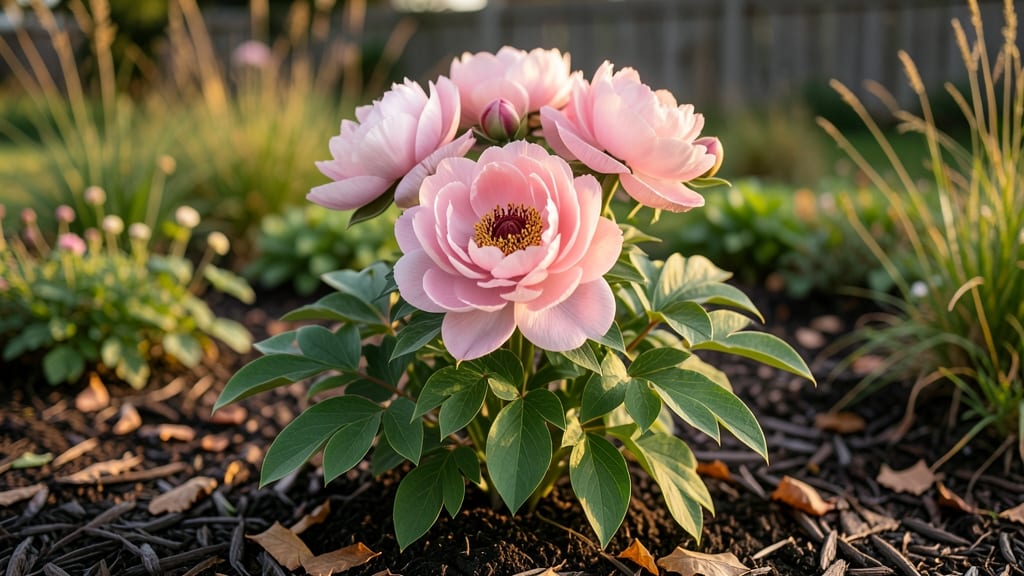
The peony flower blooming season brings lush, fragrant color to gardens, but timing it right means the difference between a showstopper and a missed opportunity.
Peonies are the crown jewels of spring gardens, but their exact blooming season depends on where you live—getting it wrong could mean missing their breathtaking, fleeting beauty for weeks.
In USDA Zone 6a, where many gardeners live, these 🌸 beauties typically burst into bloom from late May through early June, but varieties and climate shifts can push that window earlier or later.
Here’s how to pinpoint your peony’s bloom time, extend its season naturally, and avoid common mistakes that cut blooms short—so you’re always ready when nature puts on its most dazzling show.
Peony blooming season by USDA Zone: exact months for peak flowering
Peonies burst into bloom with dramatic flair, but their exact timing varies dramatically by USDA zone. In Zone 3, frosty mornings may delay blooms until late May, while Zone 9 gardeners often enjoy early April displays.
Understanding these variations helps you select varieties that align with your local climate for a reliable spring spectacle.
The key to predicting peony blooms lies in chilling requirements and warmth triggers. Most varieties need 40-60 days below 40°F to break dormancy. Once temperatures consistently rise above 50°F, buds swell rapidly. This transition period—where winter’s chill meets spring’s warmth—determines your exact bloom window.
Visual cues like bud swelling and leaf unfurling help track progress. Early bloomers like 'Sarah Bernhardt' often open first, followed by mid-season favorites such as 'Bowl of Beauty', with late varieties like 'Coral Charm' rounding out the season. Here’s how these timelines break down by zone:
In Zones 3-4, where winters are harsh, peonies often wait until late May or June to bloom. This delay gives gardeners time to prepare for their arrival, but it also means shorter display windows.
Planting early blooming varieties like 'Duchesse de Nemours' ensures you catch at least some color before summer heat arrives.
Gardeners in Zones 5-6 enjoy the sweet spot for peony blooms, typically spanning from late May through June. This extended window allows for layered planting with early, mid, and late varieties.
For example, pair 'Kansas' (early) with 'Bowl of Beauty' (mid) and 'Coral Charm' (late) to create a month-long floral show.
Zones 7-8 experience earlier blooms, often starting as early as late April. The milder winters mean peonies wake up sooner, but they also face the challenge of summer heat arriving quickly. To prolong blooms, provide afternoon shade and keep soil consistently moist during dry spells. Varieties like 'Sarah Bernhardt' thrive in these zones.
In Zone 9, peonies can bloom as early as March, making them one of the first flowers to greet spring. However, the risk of late frosts remains.
Plant in sheltered locations and choose late-blooming varieties like 'Coral Charm' to avoid frost damage. These zones also benefit from interplanting with spring bulbs like daffodils for extended color.
To maximize your peony season, note that soil temperature plays a crucial role. Buds won’t swell until the soil reaches 50°F. Use a soil thermometer to track progress, especially in unpredictable climates.
In cooler zones, mulch heavily in fall to insulate roots and encourage earlier blooms the following spring.
Finally, remember that peony blooms last only 7-10 days per stem, but strategic planting can stretch your display across weeks. By mixing early, mid, and late varieties—and understanding your zone’s specific timeline—you’ll transform your garden into a sequential masterpiece of color and fragrance.
🌸
How to extend your peony blooming season naturally (without chemicals)
Peonies are famous for their lush, fragrant blooms, but their flowering window can feel disappointingly short. The good news? With the right natural techniques, you can coax your peonies to bloom earlier in spring or later into summer—without resorting to chemicals.
The key lies in understanding their growth cycle and giving them the right conditions at the right time.
Your peonies' blooming season is influenced by factors like soil health, pruning timing, and variety selection. For example, early bloomers like 'Sarah Bernhardt' often flower in late April, while late varieties such as 'Bowl of Beauty' may bloom as late as June.
By fine-tuning these elements, you can stretch your peony season by 2-4 weeks—or even longer in ideal conditions.
🌸 5 Natural Ways to Extend Peony Blooms
- 1. Plant in full sun – 6+ hours daily ensures strong blooms. South-facing spots work best.
- 2. Feed with phosphorus-rich fertilizer in early spring to boost flower production.
- 3. Prune correctly – Cut back dead foliage in late fall, never in spring.
- 4. Choose early/late varieties like 'Duchesse de Nemours' (early) or 'Coral Charm' (late).
- 5. Mulch heavily in winter to protect roots and encourage earlier spring growth.
Let’s start with soil preparation, the foundation of a longer blooming season. Peonies thrive in well-draining, slightly acidic soil (pH 6.5-7.0). Before planting, amend your soil with compost or aged manure to improve fertility.
I like to add a handful of bone meal at planting time—this phosphorus boost gives roots the energy they need to produce more buds.
Once established, focus on pruning timing. Many gardeners make the mistake of pruning in early spring, which can delay blooming. Instead, wait until late fall or early winter to cut back dead foliage.
This allows the plant to store energy for next year’s flowers. If you must prune in spring, do so after blooming to avoid removing next season’s buds.
For gardeners in warmer climates (Zones 7-9), heat can shorten the blooming window. To combat this, provide afternoon shade during peak summer months. You can also select heat-tolerant varieties like 'Bartzella' or 'Café au Lait', which handle higher temperatures better than traditional types.
In cooler zones (Zones 3-6), focus on winter protection—mulch heavily with straw or leaves to insulate roots.
Finally, don’t overlook the power of watering consistency. Peonies need deep, infrequent watering—about 1 inch per week during active growth. I water mine in the early morning to reduce fungal risks.
Overwatering can lead to root rot, while underwatering stresses plants and reduces bloom quality. Strike that balance, and your peonies will reward you with bigger, longer-lasting flowers.
With these techniques, you’ll transform your peonies from fleeting spring stars into season-long showstoppers. The best part? No chemicals needed—just smart gardening. 🌿