
Shrubs
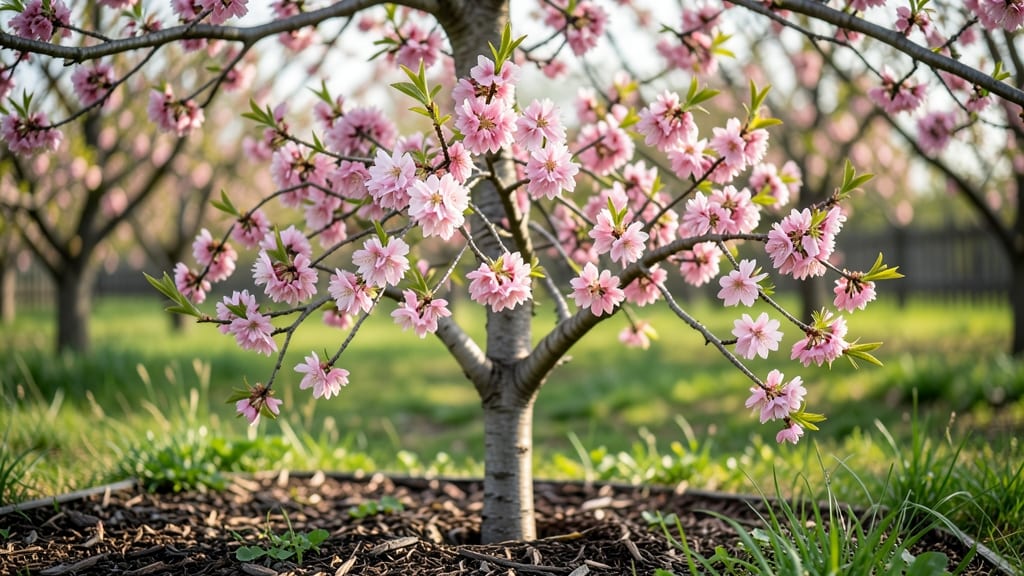
A pink flowering peach tree 🍑 transforms any garden into a fragrant, fruit-bearing showstopper—think blush-pink blooms in spring, lush foliage through summer, and even a splash of autumn color.
Imagine a tree that dazzles with fragrant pink blossoms in spring, produces juicy peaches in summer, and adds autumnal color—all while requiring minimal fuss. The pink flowering peach tree delivers exactly that, blending ornamental beauty with edible rewards.
Perfect for USDA Zone 6a gardens, this versatile tree thrives in full sun and well-draining soil, making it an ideal choice for both beginner and experienced gardeners.
Whether you're designing a cottage garden, a modern landscape, or a small urban yard, its compact size and seasonal interest ensure it fits seamlessly into any space.
Below, I’ll show you how to pair it with complementary plants, prune for maximum blooms, and create stunning focal points—plus, the low-maintenance secrets that keep it looking effortlessly beautiful year-round.
Why pink flowering peach trees are perfect for low-maintenance gardens
If you dream of a garden that bursts with color without demanding constant attention, the pink flowering peach tree is your ideal match. Unlike traditional peach varieties that require meticulous care, this hybrid thrives with minimal effort while delivering year-round visual interest.
From fragrant spring blooms to summer fruit and fiery autumn foliage, it’s a multi-season star that even busy gardeners can enjoy.
The secret lies in its drought tolerance and disease resistance, traits that make it far hardier than most fruit trees. While classic peach trees struggle with fungal issues and need frequent pruning, this variety stays healthy with basic care.
Plus, its compact growth habit (typically 8–12 feet tall) fits perfectly in small yards or containers, saving space without sacrificing beauty.
| Feature | Pink Flowering Peach | Traditional Peach |
|---|---|---|
| Growth Habit | Compact (8–12 ft) | Tall (15–25 ft) |
| Drought Tolerance | High (once established) | Low (needs frequent watering) |
| Disease Resistance | Excellent (fewer fungal issues) | Moderate (prone to brown rot) |
| Maintenance Level | Low (minimal pruning) | High (frequent pruning) |
| Seasonal Interest | Spring blooms, summer fruit, autumn color | Spring blooms, summer fruit |
One of my favorite aspects is how this tree adapts to various climates, thriving in USDA Zones 5–9 with minimal fuss. While traditional peaches struggle in humid regions, the pink flowering variety handles moisture better, making it ideal for coastal gardens or areas with unpredictable weather.
Its self-pollinating nature also means you don’t need to plant multiple trees for fruit production—just one tree delivers both beauty and harvest.
For gardeners short on time, the seasonal interest is a game-changer. In spring, clusters of fragrant pink blossoms attract pollinators while filling your yard with sweet scent. Summer brings edible peaches (though smaller than commercial varieties), and autumn rewards you with golden-orange foliage that rivals maples.
Even in winter, the tree’s sleek silhouette adds structure to bare landscapes.
Unlike high-maintenance fruit trees, this variety requires no special soil amendments. It tolerates slightly acidic to neutral soil (pH 6.0–7.0) and doesn’t need rich compost like some peaches. Simply plant it in well-draining soil with full sun exposure, and it’ll repay you with decades of effortless beauty.
My own tree in Zone 7 has needed only annual pruning to shape it—no chemical sprays or constant monitoring.
Another standout feature is its pest resistance. While traditional peaches attract aphids and borers, the pink flowering variety’s thicker bark and natural oils deter many common pests. I’ve seen it repel squirrels that would otherwise raid fruit trees, making it a low-stress addition to any garden.
Even deer tend to avoid it, which is a bonus in rural areas.
If you’re designing a small-space garden, this tree is a powerhouse. Its dwarf or semi-dwarf varieties fit neatly in containers or tight borders, while still producing abundant blooms and fruit.
Pair it with lavender or rosemary for a Mediterranean vibe, or plant it near a patio for easy access to fresh peaches. The versatility is unmatched—it thrives as a focal point, privacy screen, or even a street-tree alternative.
Let’s talk watering efficiency, a critical factor for low-maintenance gardens. Once established (after 2–3 years), this tree needs only occasional watering. In my drought-prone Zone 8 garden, I’ve gone 3 weeks without watering in summer without seeing stress.
For new trees, deep watering once a week during dry spells ensures strong root development, but even this is minimal compared to thirsty ornamentals.
For those worried about fruit quality, rest assured—the peaches are sweet, juicy, and perfect for fresh eating, though they’re smaller than grocery-store varieties. The trade-off? No pesticides, no bitter aftertaste from chemical treatments, and zero grocery bills for a summer’s worth of fruit.
Plus, the ornamental value far outweighs any minor size compromise—imagine pink blossoms followed by golden fruit against a sunset backdrop.
In summary, the pink flowering peach tree is the ultimate low-maintenance superstar for gardens of all sizes. It combines drought tolerance, disease resistance, compact growth, and year-round interest—all while producing edible rewards. Whether you’re
How to plant and prune pink flowering peach trees for maximum blooms
To coax abundant pink blooms from your flowering peach tree, start with the right planting conditions. These trees thrive in full sun (6+ hours daily) and well-draining soil with a slightly acidic to neutral pH (6.0-7.0). Avoid heavy clay soils, which can suffocate roots and reduce flowering potential.
Choose a location with 6-8 feet of spacing between trees to allow airflow, preventing fungal diseases like peach leaf curl. If planting in USDA Zone 6a, aim for early spring (after the last frost date) to give roots time to establish before summer heat arrives.
Step-by-Step Planting & Pruning Guide
- 1 Dig the Hole: Create a hole twice as wide as the root ball but no deeper. Loosen soil at the bottom to encourage root spread.
- 2 Amend the Soil: Mix in compost or aged manure (10% of the soil) to improve drainage and fertility. Avoid fresh manure, which can burn roots.
- 3 Position the Tree: Place the root flare (where roots meet the trunk) 1-2 inches above soil level. Backfill with native soil, tamping gently to remove air pockets.
- 4 Water Deeply: Apply 10 liters of water immediately after planting, then repeat every 5-7 days until established (6-8 weeks).
- 5 Prune for Shape: Remove dead or crossing branches in late winter (before buds swell). Cut at a 45-degree angle just above a outward-facing bud.
- 6 Encourage Blooms: Thin fruit in early summer (leave 6-8 inches between peaches) to redirect energy to next year’s flowers.
- 7 Winter Protection: Wrap the trunk with tree guard in late fall to prevent sunscald and rodent damage.
Pruning isn’t just about shaping—it’s about promoting flowering. In late winter, remove suckers and water sprouts (vigorous shoots at the base) to maintain the tree’s energy for blooms. Use sterilized pruners to avoid spreading disease, and always cut just outside the branch collar.
For maximum blooms, fertilize lightly in early spring with a balanced 10-10-10 NPK fertilizer. Avoid heavy applications in summer, which can stimulate late growth vulnerable to frost damage. Mulch around the base with 2-3 inches of organic mulch (like wood chips) to retain moisture and regulate soil temperature.
Winter care is critical in Zone 6a. After the first frost, apply a 3-inch layer of mulch and wrap the trunk with burlap or tree guard to shield against temperature swings. This protects the tree from cold snaps while preserving its health for spring’s spectacular pink display.