
Blooming
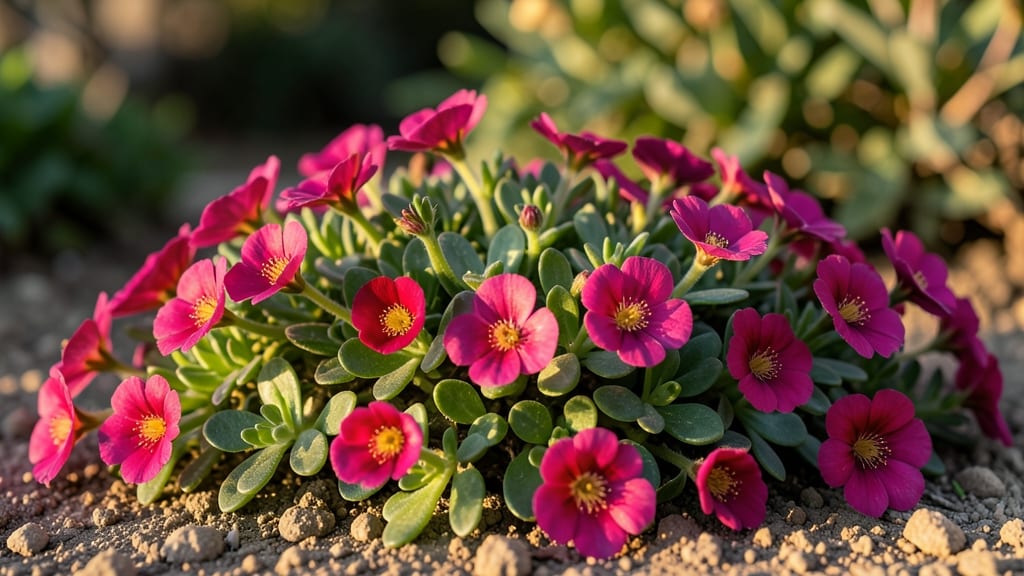
The portulaca flower season stretches from late spring through early fall, turning gardens into sun-drenched canvases of color 🌸.
If you’ve ever admired the vibrant, sun-loving portulaca flowers blooming effortlessly in summer heat, you might wonder: When exactly do they bloom, and how long can I enjoy their colorful display? The answer depends entirely on your climate zone—and knowing this can mean the difference between a fleeting burst of color and a long, show-stopping season.
Portulaca thrives in zones 6 and warmer, where it typically bursts into bloom by early June and keeps going until the first frost. In hotter regions like Southern California, you might even see flowers year-round with minimal care.
Meanwhile, in cooler areas, a little extra attention can push that season just a bit longer.
Below, I’ll break down the best bloom times by zone, share simple tricks to extend those flowers, and highlight the hardiest varieties for continuous color. Whether you’re in a desert climate or a humid coastal area, there’s a way to make the most of your portulaca’s natural show.
Portulaca flower season by climate Zone: timing and duration
Portulaca, also known as Moss Rose, is famous for its heat-loving nature and prolonged summer blooms. But did you know its flowering season varies dramatically depending on your USDA climate zone?
In Zone 10, blooms may start as early as March, while in Zone 5, you might not see flowers until June. Understanding these differences helps you plan for the longest possible display of those vibrant colors.
The key trigger for portulaca blooming is warmth combined with long daylight hours. Once temperatures consistently stay above 70°F, these succulent plants shift their energy from leaf growth to flower production.
In Southern California (Zone 10), this happens by early spring, while New England (Zone 5) waits until late spring or early summer. Daylight length also plays a role—14+ hours of daylight in summer zones can extend blooming well into fall.
Here’s how portulaca’s flowering season breaks down across USDA zones 3-11, including early bloomers, peak seasons, and late-flowering varieties:
| USDA Zone | Bloom Start | Peak Season | Bloom End | Duration | Notes |
|---|---|---|---|---|---|
| 3-4 | Late June | July-August | Early September | 8-10 weeks | Short season; needs early planting |
| 5-6 | Early June | June-August | Late September | 12-14 weeks | Moderate frost risk; protect late blooms |
| 7-8 | Mid-May | June-September | Early October | 16-18 weeks | Longest natural season; thrives in heat |
| 9-10 | February-March | April-October | November | 24-28 weeks | Year-round blooms possible with care |
| 11 | January | February-November | December | 36-40 weeks | Near-continuous blooms; minimal seasonal change |
In Zone 3-4, where summers are short, portulaca blooms are brief but intense. Plant seeds indoors by April 1st to give them a head start. Transplant outdoors after the last frost date, usually around May 15th.
In these cooler zones, deadheading spent blooms can extend the season by 2-3 weeks, encouraging new flowers to form.
Gardeners in Zone 5-6 enjoy a longer bloom window thanks to warmer summers. Here, portulaca often starts flowering by early June and continues until late September. To maximize blooms, choose heat-tolerant varieties like ‘Sunset’ series or ‘Titan’, which handle humidity better than standard types.
In humid climates, ensure good air circulation to prevent fungal issues.
For Zones 7-8, portulaca’s glory stretches from May through October. This is the sweet spot for continuous color, especially in Southern states like Texas or Georgia. Here, you can even sow successive plantings every 4-6 weeks to stagger blooms. Pair portulaca with drought-tolerant companions
How to extend portulaca’s blooming season: proven gardening hacks
Portulaca, also known as moss rose, thrives in hot, dry climates and naturally blooms from late spring to early fall. But with the right techniques, you can stretch that season—even into late autumn or early spring in milder zones.
The key lies in understanding its natural growth patterns and giving it the right care at the right time.
Many gardeners assume portulaca’s blooms are short-lived, but with consistent deadheading, smart watering, and seasonal adjustments, you can enjoy vibrant flowers for up to 6 months or more. Let’s dive into the proven hacks that will transform your portulaca from a summer-only star to a year-round showstopper.
- 1 Deadhead Daily – Remove spent blooms every morning to redirect energy to new flowers. Use clean pruning shears for precision.
- 2 Water Deeply – Soak soil every 2-3 days in summer, but reduce to weekly in fall. Avoid wetting foliage to prevent fungal diseases.
- 3 Use Mulch – Apply 1-2 inches of gravel or straw mulch to retain moisture and regulate soil temperature. Ideal for hot climates.
- 4 Fertilize Lightly – Use a 5-10-10 balanced fertilizer every 4-6 weeks in spring/summer. Skip fall fertilization to encourage dormancy prep.
- 5 Companion Plant – Pair with marigolds or basil to deter pests and improve pollination rates. Avoid planting near tomatoes, which compete for nutrients.
For gardeners in USDA zones 7-11, extending portulaca’s season is easier—just protect plants from frost with row covers or move pots indoors. In colder zones (3-6), focus on late-summer planting and winter mulching to preserve roots.
Organic methods like compost tea or fish emulsion work just as well as chemical fertilizers but boost soil health long-term.
If you’re in a drought-prone area, reduce watering slightly but never let soil dry out completely. Portulaca’s succulent stems store water, but they still need regular hydration for continuous blooming. Test soil moisture by sticking your finger 1 inch deep—if it’s dry, it’s time to water.
To prepare for winter in colder zones, cut back dead foliage in late fall, apply 3 inches of mulch, and group plants together for shared warmth. In spring, remove mulch and water lightly to encourage new growth before the last frost.
With these simple yet effective strategies, your portulaca will reward you with longer, brighter blooms—turning your garden into a year-round paradise. Start with just one hack, like daily deadheading, and watch your flowers thrive well beyond their usual season! 🌸