
Flowers
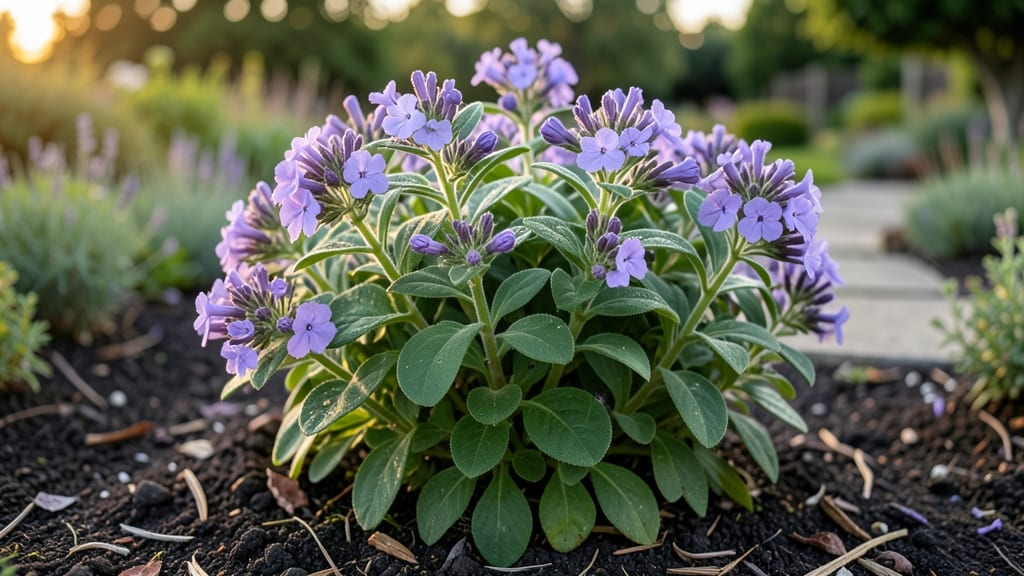
Some purple flowers open and close in response to the moon’s rhythm, turning your garden into a nocturnal ballet 🌙—and these varieties are the stars of the show.
Ever wondered why certain blooms seem to dance with the moon, unfolding only at dusk or snapping shut with dawn? These moon-sensitive purple flowers aren’t just beautiful—they transform your garden into a living clock, timed to the lunar cycle.
Imagine a border that glows under artificial light or a trellis that reveals its secrets after sundown.
From the velvety petals of the Moonflower (Ipomoea alba) to the delicate spirals of the Evening Primrose, these plants add drama and movement to any design. They’re perfect for pollinator-friendly spaces, container gardens, or even a moonlit patio where their nocturnal habits create a magical focal point.
Below, I’ll share five standout varieties, how to pair them for maximum impact, and the best spots in your garden to let them shine—literally. Whether you want a whimsical night garden or a subtle accent, these blooms will make your space feel alive after dark.
12 Moon-sensitive purple flowers that follow nighttime blooming patterns
Imagine stepping into your garden at dusk, where purple blooms unfurl like magic—only to vanish by morning. These moon-sensitive flowers follow natural circadian rhythms, creating a mesmerizing display for nocturnal pollinators like moths and bats.
What makes them unique? Their nyctinastic movements—opening at twilight and closing with sunrise—often tied to lunar cycles or temperature shifts. Let’s explore 12 stunning purple varieties that choreograph their own nightly ballet.
Why grow these? Beyond their ethereal beauty, they attract pollinators after dark, support biodiversity, and add drama to moonlit gardens. Some, like the evening primrose, even have cultural ties to folklore as symbols of resilience.
Whether you’re designing a purple-themed border—or a pollinator haven, these flowers deliver both function and fantasy.
Each of these purple moonflowers—from the Queen of the Night’s—once-in-a-lifetime bloom to the Moonflower’s—daily nocturnal show—offers a unique spectacle.
For example, the Four O’Clocks—named for its 4 PM opening time—thrives in containers, while the Purple Hyacinth Bean’s—edible pods make it a dual-purpose star. To maximize their magic, pair them with silver foliage plants—like lamb’s ear—to create high-contrast moonlight gardens.
Pro tip: Plant near a water feature—to amplify their fragrance on humid nights.
Why and how these flowers track the moon: science behind the rhythms
These purple flowers that open and close aren't just following a whimsical schedule—they're responding to a biological clock called nyctinastic movement. This fascinating behavior is controlled by the plant's internal circadian rhythms, which sync with the earth's day-night cycle.
Think of it like an internal alarm clock that tells the flower when to wake up and when to rest.
The most dramatic examples are night-blooming flowers like the Moonflower or Evening Primrose, which remain tightly closed during daylight but unfurl their petals as the sun sets. This isn't random—it's a survival strategy to attract night-pollinating insects like moths and bats while conserving energy during the day.
- Light Intensity: Low light triggers opening in most nyctinastic flowers, while sunlight signals them to close.
- Temperature Fluctuations: Cooler evening temps often enhance blooming, while warm days may delay opening.
- Humidity Levels: Higher humidity at night helps preserve petals longer, preventing premature wilting.
- Moonlight Exposure: While not directly causing opening, indirect moonlight can influence the plant's internal timing.
- Plant Age: Younger plants may show less consistent rhythms until fully mature (typically 2-3 years).
What makes this even more remarkable is that these flowers can adjust their schedules based on environmental conditions. For example, if you grow Evening Primrose in a particularly hot climate, it might open slightly earlier than its usual 8 PM schedule to avoid daytime heat stress.
This flexibility shows how deeply connected these plants are to their surroundings.
To encourage consistent moon-tracking behavior in your garden, focus on three key conditions: stable evening temperatures (avoid sudden drops), moderate humidity (mulch helps retain moisture), and minimal artificial light pollution near planting areas. Even a single streetlamp can disrupt the natural opening-closing cycle by confusing the plant's light sensors.
One of my favorite discoveries is how purple Hyacinth Beans will actually rotate their flowers to face the moon throughout the night—a behavior called heliotropism. This isn't just about opening and closing; it's about maximizing exposure to moonlight for pollination.
Create a small test garden with these varieties and observe their movements nightly—you'll be amazed at how precisely they follow celestial rhythms.
For gardeners in cooler climates, these rhythms can actually extend the blooming season. Many nyctinastic flowers will hold their blooms longer at night when daytime temperatures are mild, giving you weeks of evening display.
Pair these with silver foliage plants like lamb's ear to create stunning moonlit garden contrasts that highlight their nocturnal beauty.