
Flowers
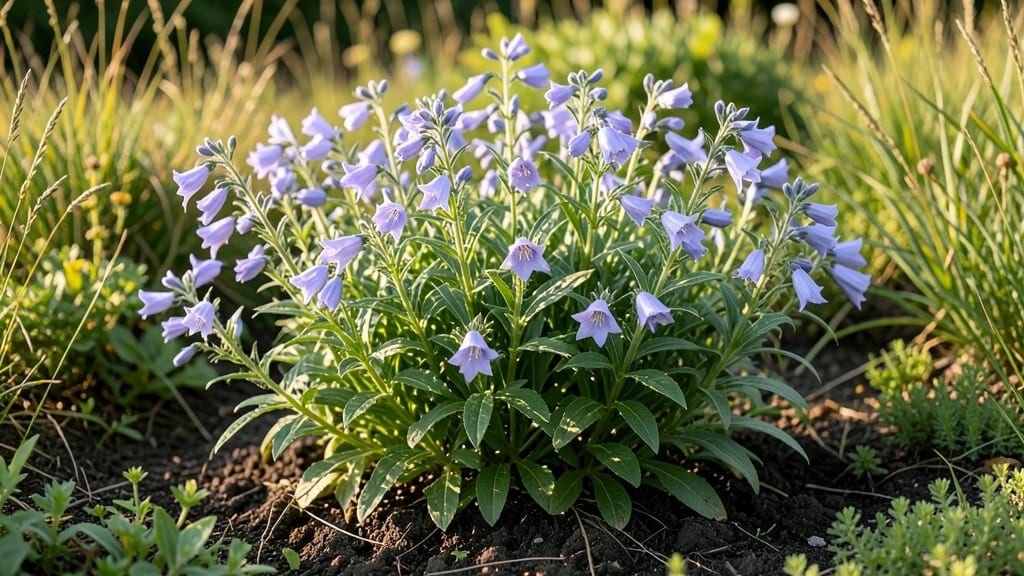
Growing a real Rapunzel flower 🌸 means transforming your garden into a fairy-tale vertical escape, with cascading blooms that climb like magic.
Imagine a flower so majestic it climbs like a living vine, turning bare walls and trellises into lush vertical gardens—this isn’t fantasy, it’s the real Rapunzel flower (Campanula rapunculoides), a stunning perennial that’s taking the gardening world by storm.
This hardy beauty thrives in USDA Zone 6a and beyond, with its 3- to 6-foot flower spikes bursting with delicate bell-shaped blooms in late spring. Perfect for partial shade, it’s the ideal choice for gardeners who want drama without the fuss.
In this guide, I’ll walk you through everything—from planting in March–April to pruning for longer blooms—so you can grow your own Rapunzel-style garden in no time.
What is the real Rapunzel flower and how does it grow?
The real Rapunzel flower isn’t from a fairy tale—it’s Campanula rapunculoides, a vigorous climbing perennial that creates stunning vertical displays. Named after the princess with flowing hair, this plant produces cascading bell-shaped blooms on long, wiry stems, perfect for trellises and fences.
Unlike its delicate namesake, this hardy plant thrives in tough conditions, making it a gardener’s dream for adding height and texture to landscapes.
Native to Europe and Asia, this rapid-growing vine can reach 5-6 feet tall in a single season, transforming bare walls into lush green curtains. Its blue-purple flowers bloom from mid-summer to fall, attracting pollinators while adding a whimsical touch to gardens.
Whether you’re a beginner or a seasoned gardener, this plant offers low-maintenance beauty with high-impact results.
| Feature | Details |
|---|---|
| Botanical Name | Campanula rapunculoides |
| Common Name | Creeping Bellflower |
| Native Habitat | Europe, Asia (woodlands, meadows) |
| Mature Height | 5-6 feet (climbing) |
| Growth Speed | Fast (3-4 ft/year) |
| Flower Color | Blue-purple |
| Bloom Time | Mid-summer to fall |
| USDA Zones | 3-9 (hardy) |
| Sunlight Needs | Partial shade (morning sun) |
| Soil Type | Well-draining, moist |
One of the real Rapunzel flower’s standout features is its self-clinging stems, which grip trellises and fences without needing ties. This makes it ideal for vertical gardening, where space is limited but impact is desired.
Unlike traditional vines, it doesn’t require aggressive pruning—simply trim back in early spring to encourage new growth and maintain shape. Its drought tolerance once established also makes it a low-water choice for eco-friendly gardens.
The plant’s invasive tendencies in some regions mean it’s best suited for controlled spaces like containers or trellised areas. If left unchecked, it can spread aggressively, so regular monitoring is key.
For gardeners in USDA zones 3-9, this means it’s a reliable perennial that returns year after year with minimal effort. Its adaptability to various soil types (though it prefers well-draining) adds to its appeal.
What truly sets Campanula rapunculoides apart is its dual-purpose beauty: it’s as functional as it is decorative. The cascading blooms create a fairy-tale effect on walls, while its lush foliage provides year-round interest.
Pair it with complementary climbers like clematis or roses for a layered vertical display. For best results, plant it near support structures like arbors, pergolas, or even chain-link fences.
In ideal growing conditions, this plant can produce hundreds of flowers per season, making it a high-impact addition to any garden. Its pollinator-friendly nature also supports local ecosystems, attracting bees and butterflies.
For gardeners in cooler climates, it’s particularly hardy, surviving temperatures down to -30°F. In warmer zones, it may benefit from afternoon shade to prevent wilting.
Unlike many climbing plants, the Rapunzel flower doesn’t require specialized training—it naturally twines around supports. This makes it a beginner-friendly choice for vertical gardening projects. For maximum blooms, deadhead spent flowers regularly, though this isn’t strictly necessary.
Its low-maintenance nature combined with its dramatic appearance makes it a standout in modern and cottage-style gardens alike.
If you’re dreaming of a Rapunzel-inspired garden, this plant delivers the magic without the fuss. Whether you’re revamping a bare wall, dressing up a trellis, or adding height to a container garden, Campanula rapunculoides is the perfect climbing perennial for the job.
Just remember: the key to its success lies in proper support and moderate watering—no glass slippers required!
How to plant and care for Rapunzel flowers in vertical gardens
Transforming your garden into a vertical paradise with Campanula rapunculoides starts with the right approach. This climbing perennial thrives when given proper support and care, so let’s dive into the essential steps to make your Rapunzel flower flourish.
Whether you’re using a trellis, fence, or wall, these tips will ensure your plant grows tall and lush, just like the fairy tale.
The key to success lies in preparing your trellis and soil before planting. Unlike some vines, Rapunzel flowers need a sturdy structure to climb, so choose a metal or wooden trellis that can support its 3- to 6-foot height.
Install it in March or April, after the last frost, to give your plant the best start in USDA Zone 6a or warmer.
- Step 1: Choose Your Trellis
Select a 6-foot trellis or taller for maximum growth. Opt for a metal or wooden lattice to provide sturdy support.
- Step 2: Prepare the Soil
Mix well-draining soil with compost for nutrients. Aim for a slightly acidic to neutral pH (6.0-7.0).
- Step 3: Plant Your Seeds
Sow seeds ¼ inch deep in March or April, spacing them 12 inches apart for optimal airflow.
- Step 4: Install the Trellis
Place the trellis near the planting site and gently guide the young shoots to climb as they grow.
- Step 5: Water Deeply
Water deeply once a week in the first year to encourage root development. Reduce to bi-weekly once established.
- Step 6: Fertilize in Spring
Apply a balanced 10-10-10 fertilizer in early spring to promote vigorous growth and blooms.
- Step 7: Prune Regularly
Trim dead or overgrown stems in late summer to encourage longer, healthier blooms the following year.
Once your Rapunzel flower is established, it’s moderately drought-tolerant, but consistent watering in the first year is crucial. Water deeply in the morning to prevent fungal issues, and mulch around the base to retain moisture.
This plant loves partial shade, so avoid placing it in full sun, which can scorch its delicate leaves.
To keep your Rapunzel flower looking its best, prune lightly after the first bloom cycle. Cut back one-third of the stems to encourage a second flush of flowers in late summer. This also helps maintain a neat, vertical appearance while preventing the plant from becoming too leggy.
Pests like aphids and spider mites can occasionally bother your Rapunzel flower, but a strong spray of water or neem oil usually does the trick. For winter hardiness, mulch heavily around the base in October to protect the roots from freezing temperatures.
With these care tips, your vertical garden will be a fairy-tale masterpiece in no time!
🌱