
Blooming
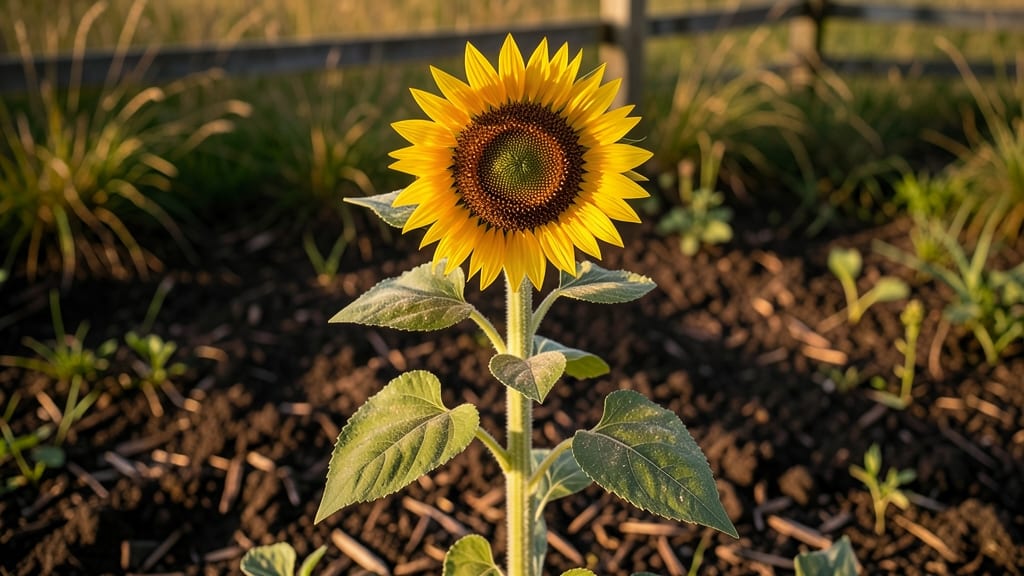
Sunflower bloom time varies dramatically by variety and climate, turning a simple planting decision into a high-stakes guessing game if you’re not careful.
If you’ve ever waited eagerly for sunflowers to bloom—only to be left guessing when they’ll finally turn their faces to the sun—you’re not alone. The truth is, some varieties pop open in as few as 50 days, while others take nearly 90 days to reach their golden peak.
That’s a difference of nearly three months, and it all depends on what you plant and where you live.
In USDA Zone 6a, where spring’s last frost lingers into mid-April, timing is everything. Plant too early, and frost can nip tender sprouts; too late, and summer’s heat might rush the blooms before you’ve had your fill.
But here’s the good news: with the right variety and a few smart tricks, you can stretch that bloom window from July straight into October.
Below, I’ll break down the exact bloom timelines by variety, how your climate zone shifts those dates, and the five proven tricks to coax earlier—or longer—sunflower seasons. No more waiting in the dark wondering when those 🌻 faces will finally shine.
Sunflower bloom time by variety: exact days from seed to flower
Knowing the sunflower bloom time by variety helps you plan your garden for maximum impact. Some varieties burst into bloom in as little as 60 days, while others take nearly 120 days to reach their towering, golden faces.
The key difference lies in their genetic makeup—whether they're bred for early flowering, mid-season color, or late-season height. I’ve grown dozens of varieties, and the timing surprises even experienced gardeners!
For example, the Teddy Bear variety will delight you with blooms in just 60-65 days, making it perfect for short-season gardens. Meanwhile, the Russian Giant takes 110-120 days to reach its massive 12-foot height.
Understanding these timelines lets you stagger plantings for continuous blooms from midsummer to fall. Let’s break down the exact bloom times for the most popular varieties so you can plan your garden like a pro.
If you’re planting in USDA Zone 5 or colder, focus on early-blooming varieties like Sunspot or Teddy Bear to avoid frost cutting your blooms short. I’ve had success with staggered plantings—sowing Sunspot in early May and Mammoth in late May—to ensure continuous color from July through September.
This technique works especially well in Zone 6-8, where the growing season is long enough to support multiple varieties.
For late-season gardens in Zones 9-11, the Russian Giant and Autumn Beauty shine. These varieties thrive in warmer climates and often bloom into October or November, providing stunning fall interest.
In my Zone 9 garden, I’ve seen Russian Giants reach maturity just in time for Halloween, creating a dramatic focal point. The trade-off? They require more time and space, so plan accordingly.
Don’t overlook the ProCut variety if you’re growing sunflowers for cut flowers. These blooms last 7-10 days in a vase, making them a gardener’s dream for arrangements. Their 60-70 day bloom time aligns perfectly with peak summer demand for fresh flowers.
I’ve used them in weekly bouquets all summer long by planting new seeds every 2 weeks—this keeps the harvest steady and reduces the risk of bolting all at once.
One common mistake I see is assuming all sunflowers bloom at the
How climate zones affect sunflower bloom time: a gardener’s guide
Your USDA hardiness zone is the secret weapon for predicting when those golden sunflower faces will finally greet the sky. In cooler zones like Zone 3–5, frost can delay blooms by weeks, while Zone 9–11 gardeners might see flowers opening in just 60 days instead of the usual 90.
The difference? Heat tolerance and growing-season length. Let’s break down how your climate zone reshapes bloom timing—and what you can do to work with it.
Sunflowers thrive in full sun (6+ hours daily), but their growth rate slows dramatically in cooler zones. For example, a Russian Giant might take 90 days to bloom in Zone 4 but only 75 days in Zone 7.
The key? Day length and soil warmth. In northern zones, shorter days and cooler soil mean slower early growth, while southern zones offer longer growing seasons and faster maturation.
Here’s how your zone affects bloom speed, with actionable adjustments to stretch or speed up your sunflower season:
In cooler zones (3–5), frost is the biggest threat.
To extend your bloom window, start seeds indoors 4–6 weeks before the last frost date, then transplant hardened-off seedlings after danger of frost has passed. Black plastic mulch can also warm the soil by 5–10°F, giving your sunflowers a head start.
For hotter zones (8–11), focus on drought-resistant varieties like Teddy Bear or ProCut, which bloom faster and handle heat better. In these zones, you can even plant a second crop in late summer for fall blooms. Just ensure they get consistent water during dry spells to prevent bolting.
No matter your zone, soil temperature is the hidden factor. Sunflowers need soil at 55°F+ to germinate. Use a soil thermometer to check—if it’s cooler, wait or use row covers to warm the soil faster. With these adjustments, you can turn your climate’s challenges into a sunflower-blooming advantage.