
Blooming
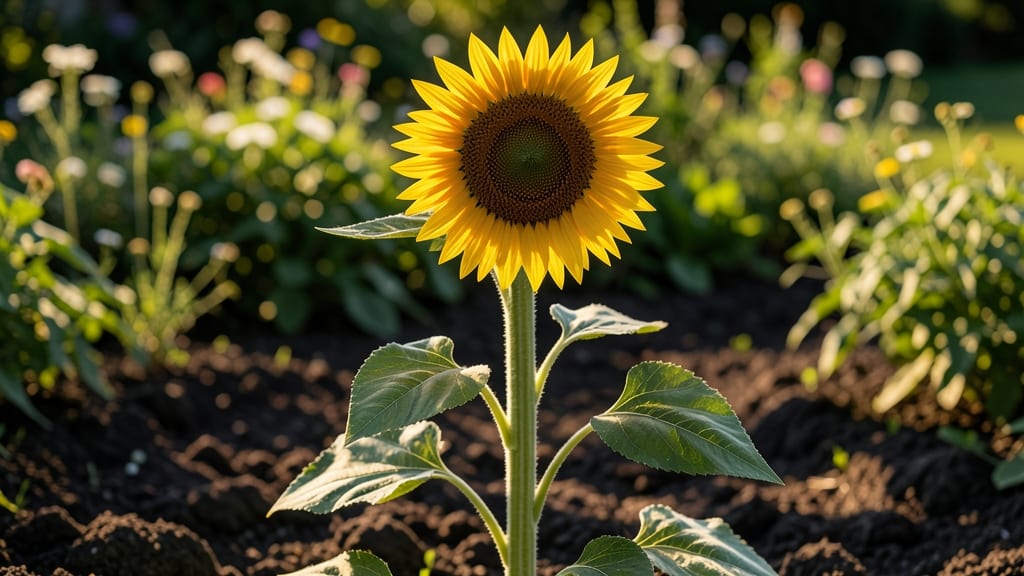
The sunflower flowering time varies between 60 to 120 days after planting, depending on the variety and growing conditions—and getting the timing right means the difference between a summer full of golden blooms and a missed opportunity.
Picture this: you’ve just planted your 🌻 seeds in early spring, and now you’re wondering how long until those towering faces greet the sky. The answer isn’t just about days on the calendar—it’s about your climate, soil, and even the type of sunflower you’re growing.
In warmer zones like Zone 6a, dwarf varieties might bloom in as little as 50 days, while giant Mammoths could take up to 120 days.
Cooler climates slow things down, but with the right tricks—like proper spacing, deep watering, and full sun—you can shave weeks off that timeline.
Here’s what you’ll learn: the exact flowering schedule for popular varieties, how to adjust for your region, and 5 proven tips to speed up blooms so you’re not left staring at green stalks when summer arrives.
Sunflower flowering time by variety: exact days from seed to bloom
If you're eager to see those bright yellow blooms light up your garden, timing is everything. Sunflowers vary dramatically in their flowering schedules, from 50 days for dwarf varieties to over 120 days for towering giants.
The key lies in choosing the right variety for your growing season and climate zone. For example, my Mammoth Russian sunflowers took 110 days to bloom, while my Teddy Bear varieties surprised me with flowers in just 60 days!
Understanding these timelines helps you plan your garden layout, succession planting, and even seed harvesting. Whether you're aiming for a summer-long display or quick seasonal color, knowing exact days to bloom ensures you won't miss the window.
Let's break down the most popular varieties and their precise flowering schedules to help you make the best choices for your garden.
🌻 Pro Tip: Always check your last frost date and plant accordingly. Most sunflowers thrive when planted after frost, giving them plenty of warm growing days before winter arrives.
For early bloomers, varieties like Sunspot and Little Becka are perfect if you want quick color. These dwarf sunflowers bloom in just 50-60 days, making them ideal for short-season gardens or container growing.
I planted Sunspot in my balcony pots last summer, and they started flowering just 8 weeks after sowing!
If you're dreaming of towering sunflowers that reach for the sky, Mammoth Russian and Russian Giant varieties are the stars. These giant sunflowers take longer—100-120 days—but the payoff is worth it.
Their massive blooms can grow over 12 feet tall, creating a dramatic focal point in any garden. Just be prepared to provide sturdy support to prevent them from toppling in wind.
For a balanced approach, consider semi-dwarf varieties like Sunrich Yellow or Autumn Beauty. These bloom in 60-85 days and reach heights of 3-6 feet, making them versatile for cut flowers, borders, and pollinator gardens.
I love using Autumn Beauty because its multi-colored petals add a unique touch to arrangements.
💡 Quick Tip: To extend your sunflower season, try succ
How climate zones affect sunflower flowering: fastest bloomers by region
Your USDA climate zone plays a bigger role in sunflower flowering time than you might think.
In Zone 9, where summers are long and hot, dwarf varieties like Teddy Bear can bloom in just 50 days, while in Zone 4, the same variety might take 70 days or more.
The difference comes down to heat accumulation, frost risk, and how quickly your plants can mature before cooler weather arrives.
Sunflowers are warm-season plants, meaning they thrive when nighttime temperatures stay above 50°F (10°C). In cooler zones like Zone 3–5, early planting is critical—seeds need soil temperatures of 55°F (13°C) or warmer to germinate properly.
In hotter zones like Zone 7–10, the challenge shifts to preventing heat stress and ensuring consistent moisture during rapid growth phases.
Here’s how to compare flowering speeds across regions—and how to adjust your growing strategy to get those golden blooms as quickly as possible, no matter where you live.
If you’re in Zone 4 or colder, focus on early-maturing varieties like Autumn Booster, which can bloom in 70 days even with shorter growing seasons. Pair this with black plastic mulch or row covers to extend the season by 2–3 weeks.
In Zone 9, where heat is the enemy, opt for Sunrich or ProCut—these varieties handle 90°F+ temperatures better than traditional giants.
For Zone 5–8, the secret to faster blooms lies in consistent moisture and full sun exposure. Sunflowers in these zones often struggle with uneven watering, which stalls growth.
I’ve found that drip irrigation or soaker hoses keep roots happy without wetting the foliage—critical for preventing powdery mildew, a common issue in humid summers.
No matter your zone, the fastest bloomers share one trait: they prioritize root development over leafy growth. Amend your soil with compost before planting, and avoid over-fertilizing with nitrogen—this encourages lush foliage but delays flowering.
Instead, use a low-nitrogen fertilizer (like 5-10-10) to push those sunflower stalks toward blooming 10–20 days faster.