
Planting
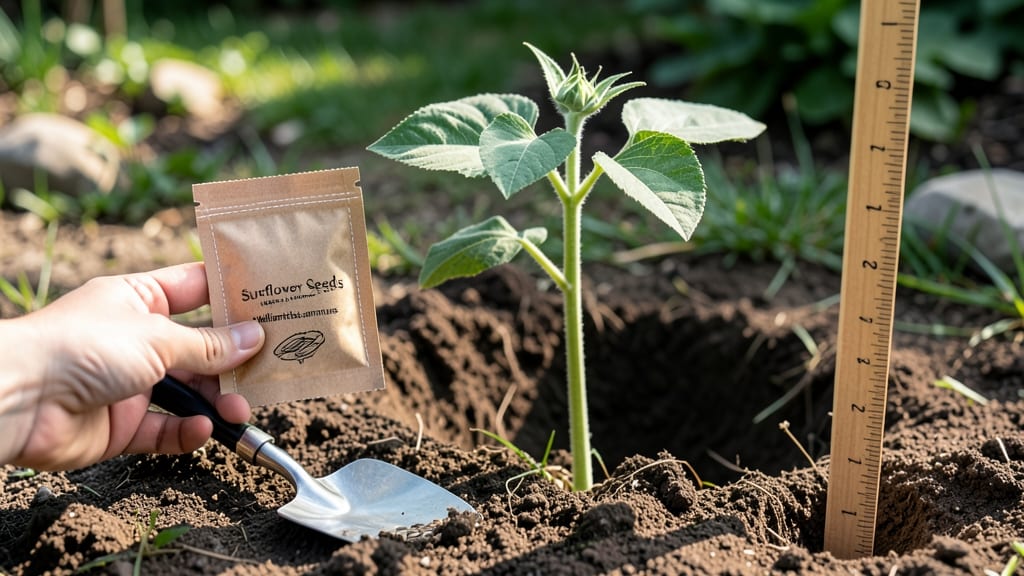
Planting sunflowers at the right depth is the key to strong stems and bold blooms—too shallow or too deep, and you risk weak growth or poor germination.
If you’ve ever watched your 🌻 sunflower seedlings wilt or struggle to stand upright, chances are the planting depth was off. Whether you’re growing dwarf varieties or towering giants, getting this step right makes all the difference.
Most sunflower seeds thrive when planted 1 to 2 inches deep, but dwarf varieties need just 1 inch of soil cover, while giant sunflowers benefit from 1.5 to 2.5 inches. The right depth ensures roots anchor properly, moisture stays balanced, and your plants grow tall and sturdy.
Below, I’ll break down the exact planting depth for every type of sunflower, plus pro tips for soil prep, spacing, and troubleshooting common mistakes—so you can grow sunflowers that reach their full potential.


Optimal sunflower planting depth by seed type and variety
Sunflowers are one of the most rewarding flowers to grow, but their success starts with proper planting depth. I’ve learned the hard way that planting too deep or too shallow can stunt growth or even prevent germination.
The right depth ensures strong roots, sturdy stems, and those iconic towering blooms we all love. Let’s dive into the specifics for different sunflower varieties and seed types.
Most gardeners assume "plant seeds 1 inch deep" applies universally, but sunflowers vary dramatically in size and root structure. Giant varieties like Mammoth or Russian Giant need deeper planting to support their massive height, while delicate dwarf varieties like Teddy Bear or Sunspot thrive with shallower placement.
Even heirloom seeds—often larger and more delicate—require special attention to avoid rot or poor emergence.
Here’s the golden rule: Plant sunflower seeds at a depth equal to 2-3 times their width. This ensures enough soil contact for moisture while preventing suffocation.
For example, a 1/4-inch seed should go 1/2 to 3/4 inch deep, while a 1/2-inch heirloom seed needs 1 to 1.5 inches of coverage. Let’s break it down by variety.
| Variety Type | Seed Size | Optimal Depth | Soil Temp for Germination | Moisture Needs |
|---|---|---|---|---|
| Dwarf Varieties (e.g., Teddy Bear, Sunspot) | 1/4" – 1/3" | 1–1.5 inches | 55–65°F (13–18°C) | Keep soil consistently moist (not soggy) |
| Standard Varieties (e.g., Autumn Beauty, ProCut) | 1/2" | 1.5 inches | 60–70°F (16–21°C) | Water deeply 2x/week after sprouting |
| Giant Varieties (e.g., Mammoth, Russian Giant) | 3/4" – 1" | 1.5–2.5 inches | 65–75°F (18–24°C) | Stake early; water at base |
| Heirloom Seeds (e.g., Ukrainian Giant, Peredovik) | 1/2" – 3/4" | 1–1.5 inches (soak overnight first) | 60–70°F (16–21°C) | Avoid waterlogging; use raised beds if needed |
Soil temperature plays a critical role in germination success. Sunflower seeds need warmth to sprout—aim for soil temps between 55–75°F (13–24°C), depending on the variety. Use a soil thermometer if you’re unsure; cooler soils slow germination, while warmer soils (above 80°F/27°C) can cause seeds to rot before sprouting.
I’ve found that planting after your last frost date—when soil warms naturally—gives the best results.
Moisture is equally important. Overwatering at planting can suffocate seeds, while underwatering causes them to dry out. After planting, water gently to settle the soil, then maintain consistent moisture until germination (about 7–14 days).
Once sprouts appear, reduce watering slightly to prevent fungal diseases like damping off, which is a common killer of young sunflower seedlings.
For giant varieties, deeper planting isn’t just about depth—it’s about stability. Their massive roots need room to anchor, and planting at 2 inches deep helps prevent toppling in wind or rain.
I’ve seen Russian Giant sunflowers reach 12 feet tall when planted correctly, but shallow planting often leads to weak stems that snap under their own weight. Pro tip: Loosen the soil around the base of giant sunflowers as they grow to encourage deeper root penetration.
Heirloom seeds often come with unique challenges. Many are larger and harder, so I recommend soaking them overnight in lukewarm water before planting. This softens the seed coat and speeds up germination.
Plant them slightly deeper than standard seeds (1–1.5 inches) to account for their size, but avoid compacting the soil too tightly—heirloom seeds need good airflow to prevent rot.
One mistake I see often is planting seeds too deep in heavy clay soil. Clay holds moisture but can suffocate roots if compacted. If your soil is clay-heavy, mix in compost or sand to improve drainage and aeration.
For sandy soil, which drains too quickly, add a layer of peat moss or coconut coir to retain moisture near the seeds. Both amendments help create the ideal planting environment for sunflowers.
Remember, depth isn’t the only factor—spacing matters too. Dwarf varieties can be planted 6–12 inches apart, while giants need 18–24 inches of space to avoid competition.
But if you’re growing sunflowers for cut flowers or birdseed, closer spacing (12–18 inches) can work, provided you thin seedlings early to avoid overcrowding.
With the right depth, soil prep, and care, your sunflowers will reward you with vibrant blooms and strong stems. Start with the guidelines above, adjust for your local climate, and don’t hesitate to experiment—some of my best sunflower patches came from tweaking depth based on seed type and soil conditions.
Happy planting! 🌻
How to plant sunflowers at the perfect depth (step-by-step)
Getting the sunflower planting depth right is easier than you think, but it requires attention to detail. Whether you’re using a hand trowel or a mechanical planter, consistency is key. The right depth ensures your seeds receive the perfect balance of moisture and warmth while preventing rot or poor germination.
Most gardeners make one of two mistakes: planting too shallow (which dries out seeds) or too deep (which suffocates sprouts). For standard sunflowers, aim for 1.5 to 2 inches of soil coverage.
If you’re growing dwarf varieties, reduce this to 1 inch. Now, let’s walk through the exact steps to plant your sunflowers like a pro.
🌱 Step-by-Step Sunflower Planting Guide
- 1 Prepare Your Soil: Loosen the soil to a depth of 6 inches using a garden fork or tiller. Mix in 2 inches of compost to improve drainage and fertility. Sunflowers thrive in well-draining soil with a pH between 6.0 and 7.5.
- 2 Choose Your Depth: Use a seed depth gauge or your finger to mark the planting depth. For giant sunflowers, aim for 1.5–2.5 inches. For dwarf varieties, stick to 1 inch. Press the seed lightly into the soil to secure it.
- 3 Space Seeds Properly: Plant seeds 6–12 inches apart for dwarf varieties or 18–24 inches apart for standard sunflowers. This spacing prevents overcrowding and ensures each plant gets enough sunlight and nutrients.
- 4 Cover and Water: Gently cover the seeds with soil, using your fingers to smooth the surface. Water the area lightly to settle the soil and keep it moist but not soggy. Avoid heavy watering, which can displace seeds.
- 5 Use Mulch for Protection: Apply a 1–2 inch layer of mulch around each seed to retain moisture and regulate soil temperature. Organic mulch, like straw or shredded leaves, also suppresses weeds and adds nutrients as it breaks down.
- 6 Monitor Germination: Sunflower seeds typically sprout in 7–14 days if soil temperatures are between 70–85°F. Keep the soil consistently moist during this time. Once sprouts appear, thin them to the strongest seedling if overcrowding occurs.
If you’re using a mechanical planter, adjust the depth settings to match your sunflower variety. Most planters allow you to set the depth manually, so double-check before planting.
For container gardening, use a deep pot (at least 12 inches) and plant seeds at the same depth as you would in the ground.
Pro tip: If your soil is clay-heavy, mix in sand or perlite to improve drainage. For sandy soil, add compost or coconut coir to retain moisture. These adjustments ensure your sunflowers get the ideal growing conditions from the start.
With the right planting depth and care, your sunflowers will grow tall, strong, and ready to bloom in no time. Happy planting! 🌻