
Light Requirements
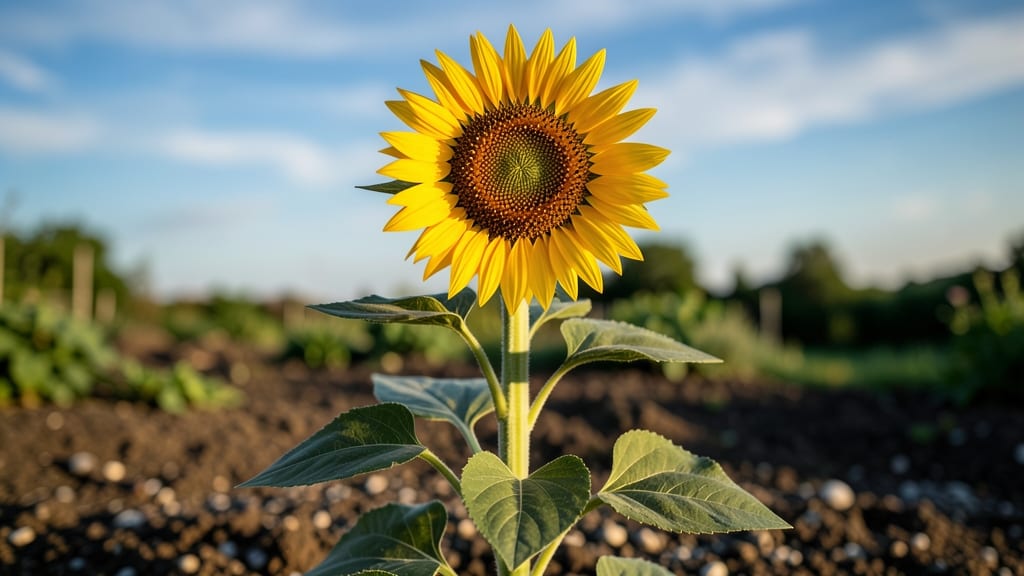
Sunflowers thrive when you meet their sunflower sunlight requirements: 6 to 12+ hours of daily light to grow tall, bloom vibrantly, and produce plump seeds—without it, your 🌻 plants will stretch, droop, or never open at all.
Picture this: your sunflowers planted in a spot that seems sunny, only to bolt upward like skinny saplings while your neighbor’s plants stand proud and golden. That’s the difference between 6 hours of light and the full sun they crave.
In USDA Zone 6, where spring planting kicks off in April, even partial shade can stunt growth—especially for standard varieties reaching 10+ feet. But don’t worry: we’ll break down how to tweak their placement, spot sunlight deficiencies early, and even pick shade-tolerant varieties that still deliver stunning blooms.
By the end, you’ll know exactly where to plant your sunflowers for maximum height, bigger blooms, and seed-filled heads—no guesswork, just sun-powered success.


How many sunlight hours do sunflowers need daily for optimal growth?
Sunflowers are sun worshippers at heart, craving bright, direct sunlight to fuel their rapid growth and spectacular blooms. While they can adapt to some shade, suboptimal light leads to leggy stems, pale foliage, and tiny flowers that never reach their full potential.
Understanding their sunlight requirements is the first step to growing sunflowers that tower over your garden like golden skyscrapers.
Most sunflower varieties thrive with 6 to 12+ hours of full sun daily, but the exact needs depend on the type. Standard varieties demand the most sunlight, while dwarf or multi-branching types can tolerate slightly less.
The key is direct sunlight exposure—not just bright ambient light. Sunflowers use sunlight for photosynthesis and phototropism, which strengthens stems and directs flower growth toward the sun.
Here’s the breakdown of what your sunflowers truly need to shine:
| Sunflower Type | Ideal Sunlight Hours | Minimum Viable Hours | Impact of Insufficient Sun |
|---|---|---|---|
| Standard (e.g., 'Mammoth') | 8–12+ hours | 6 hours | Leggy stems, small blooms, weak seed production |
| Semi-Dwarf (e.g., 'Teddy Bear') | 6–8 hours | 4–5 hours | Slower growth, reduced branching |
| Dwarf (e.g., 'Sunspot') | 5–7 hours | 3–4 hours | Pale leaves, delayed flowering |
| Multi-Branching (e.g., 'Autumn Beauty') | 7–10 hours | 5 hours | Fewer branches, smaller flowers |
Sunlight isn’t just about duration—it’s also about intensity. Sunflowers in southern climates (USDA Zones 8–11) receive higher UV exposure, which can stress plants if they lack shade during peak afternoon heat (12–3 PM).
In these regions, partial afternoon shade can prevent leaf scorch while still providing enough light for growth. Meanwhile, northern climates (Zones 3–6) benefit from longer daylight hours in summer, often exceeding 14 hours of daylight, which sunflowers can fully utilize.
The angle of the sun matters too. Sunflowers planted in northern hemispheres should face south to maximize exposure, while those in the southern hemisphere should face north. This ensures their heliotropic response (following the sun) works in their favor, keeping stems sturdy and flowers upright.
If your garden lacks ideal orientation, consider using reflective surfaces, like white gravel or mirrors, to bounce extra light onto your plants.
Sunlight directly impacts flower size and seed production. Sunflowers grown with 10+ hours of full sun produce blooms that can reach 12 inches in diameter and yield 2–3 times more seeds than those in partial shade.
The chlorophyll production in leaves is also optimized under full sun, leading to darker green foliage and better overall plant health. Without enough light, sunflowers may bolt prematurely (flower too early) or produce sterile seeds.
If you’re growing sunflowers in containers or urban gardens, prioritize south-facing windows or rooftop spots that receive unobstructed sunlight. Even a small balcony can work if it gets 6+ hours of direct sun.
For ground planting, avoid areas under large trees or tall structures that cast deep shade for most of the day. Instead, choose spots where sunflowers can stretch toward the sky without competition.
Pro tip: Monitor your sunflowers’ growth rate as an indicator of sunlight success. Healthy sunflowers should grow 2–3 inches per day in ideal conditions. If growth stalls or stems become weak and spindly, it’s a sign they need more light.
Adjust their position or consider supplemental grow lights (especially for indoor or early-season growth) to keep them thriving.
For regional adjustments, account for your local summer solstice (longest day of the year). In Alaska or Canada, sunflowers may get up to 18 hours of daylight in June, while in Florida or Arizona, the sun is intense but shorter in duration.
Use a sunlight tracker app to measure your garden’s actual light exposure and adjust planting times accordingly—early spring or late summer may require extra care to meet sunlight needs.
Remember, sunflowers are resilient, and even a few hours less than ideal can still yield beautiful blooms. But for show-stopping results, aim for the gold standard of 8–12 hours of full sun daily. With the right light, your sunflowers will reward you with vibrant
Signs your sunflowers aren’t getting enough sunlight (and how to fix it)
If your sunflowers are growing tall but skinny with pale yellow leaves and tiny blooms, they’re begging for more sunlight. Sunflowers need 6 to 12+ hours of direct light daily to grow strong stems and produce those iconic golden faces.
Without it, they’ll stretch toward any available light, creating leggy stems that can’t support their own weight.
Even worse, insufficient sunlight causes early bolting—where plants flower too quickly with small, underdeveloped blooms that never reach their full potential. This is especially common in USDA Zone 6 gardens where spring shade from trees or buildings can trick sunflowers into thinking summer has arrived before it has.
🔍 Here’s the catch: Sunflowers planted in partial shade may survive, but they’ll never achieve their full height or seed production. For example, a standard sunflower (6-14 feet tall) might only reach 3-5 feet in shade, and its seeds will be sparse or underdeveloped.
Sunflower Sunlight Warning
Sunflowers require at least 6 hours of direct sunlight daily to thrive. Without it, you’ll see:
- Leggy stems (plants stretching toward light)
- Pale, yellow leaves (chlorosis from insufficient photosynthesis)
- Small, underdeveloped blooms (early bolting with poor seed production)
- Weak stems (prone to snapping in wind or rain)
Fix it fast: Move plants to a sunnier spot immediately or use reflective surfaces (like white walls or mirrors) to bounce extra light onto them.
To diagnose the issue, check your sunflower’s growth pattern. Healthy sunflowers grow 2-3 inches per day in full sun, while shade-starved plants may only grow 1 inch per week. Look for upward-leaning stems—this is a classic sign they’re reaching for light.
Even if your garden has partial shade, you can often relocate sunflowers to a sunnier spot after they’ve sprouted and have a few true leaves.
If relocating isn’t an option, consider shade-tolerant varieties like 'Teddy Bear' or 'Moulin Rouge', which can handle 4-6 hours of sunlight while still producing stunning blooms. These varieties are bred to thrive in low-light conditions, making them perfect for gardens with morning sun or afternoon shade.
For existing sunflowers in shade, try placing a reflective mulch (like white gravel or aluminum foil) around the base to increase light exposure by up to 30%. This trick works wonders for container-grown sunflowers on patios or balconies where space is limited.
Just be sure to water deeply afterward, as reflective surfaces can dry out soil faster.
Remember: sunflowers are heliotropic, meaning they follow the sun’s path throughout the day. If yours aren’t tracking the sun’s movement, it’s a clear sign of sunlight deficiency.
Give them the light they crave, and you’ll be rewarded with towering stems, massive blooms, and seed-filled heads that’ll be the envy of your neighborhood.