
Flowers
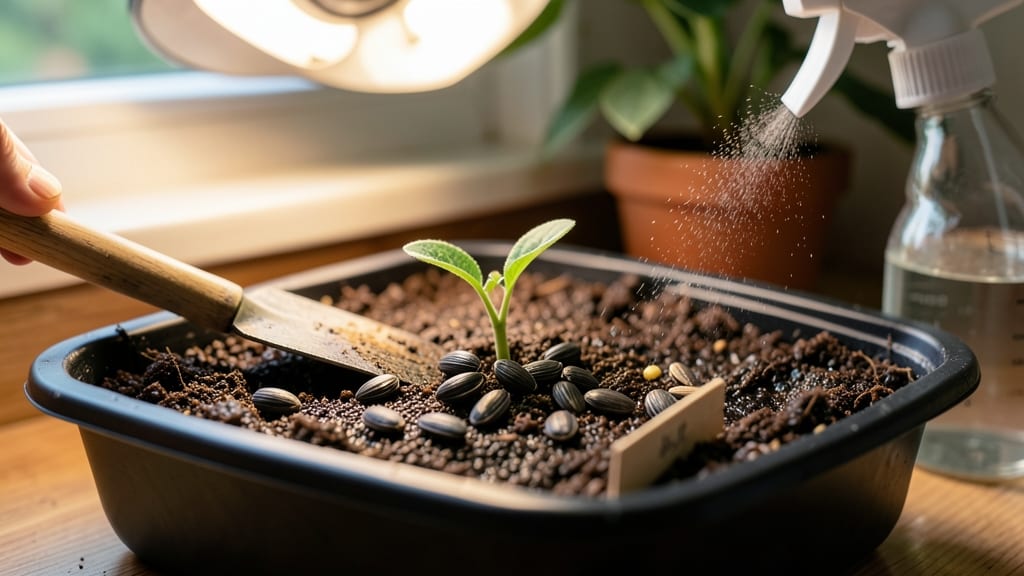
Sunflowers germination time typically ranges from 7–14 days when given the right warmth and moisture—though those numbers can shift dramatically if you miss the mark on soil conditions.
Picture this: you’ve prepped your seeds, planted them with care, and now you’re staring at that tray every morning, willing them to sprout. The clock is ticking, and every day without progress feels like an eternity.
But here’s the thing—most gardeners don’t realize how much control they actually have over speeding up (or slowing down) those first green shoots.
Whether you’re starting 🌻 sunflowers indoors for an early jumpstart or planting them directly in the garden, the key lies in soil temperature, moisture consistency, and even seed prep. Skip the guesswork with the exact timelines and tricks that cut germination time in half—without sacrificing plant health.
Below, I’ll walk you through the science behind sunflower germination, the common mistakes that stall sprouts, and how to adjust your approach for your climate zone. No more waiting weeks to see if your seeds are viable—just faster, happier growth from day one.
Sunflower seed germination time indoors: speed up sprouting with these exact timelines
Indoor sunflower germination is a thrilling process, but patience is key—especially when you're eager to see those first green shoots emerge.
Under ideal conditions, most sunflower varieties sprout within 7 to 14 days, though some fast varieties like Teddy Bear can break through soil in just 5 to 7 days. The secret lies in controlling temperature, moisture, and seed depth from day one.
If you're starting seeds indoors, timing is everything. The pre-sprout phase (when seeds absorb moisture and begin to soften) takes 24 to 48 hours under warm conditions.
After that, the real magic happens—root development and shoot emergence typically occur within 3 to 7 days, depending on the variety and your setup. Let’s break down the exact timelines for your favorite sunflowers.
| Variety | Germination Time (Days) | Ideal Temp (°F) | First Leaves (Days) | Transplant Ready (Days) |
|---|---|---|---|---|
| Mammoth | 10–14 | 70–75 | 7–10 | 14–21 |
| Teddy Bear | 5–7 | 75–80 | 5–7 | 10–14 |
| Russian Giant | 12–16 | 65–70 | 10–14 | 21–28 |
| Autumn Beauty | 8–12 | 70–75 | 7–10 | 14–21 |
| Sunspot | 6–9 | 75–80 | 5–7 | 10–14 |
To speed up germination, maintain a consistent soil temperature of 70–80°F using a seedling heat mat. Most sunflower seeds need 1 inch of depth and moist (not soggy) soil.
If your seeds aren’t sprouting within 10 days, they may need a warmth boost or a quick soak in warm water for 4–6 hours before replanting.
Once your seeds sprout, the first true leaves (not the initial seed leaves) appear in 5 to 14 days, depending on the variety. This is when you’ll see the classic sunflower lance-shaped leaves.
Keep seedlings in bright, indirect light until they’re ready for transplanting, which typically happens 2 to 4 weeks after germination, when they have 2–4 true leaves.
If you’re using a grow light, place it 2–3 inches above seedlings and provide 14–16 hours of light daily. Overhead lights can cause leggy growth, so adjust the height as they grow. Avoid direct sunlight at this stage, as it can scorch young seedlings.
For faster results, try pre-soaking seeds in warm water for 4–6 hours before planting. This mimics natural rainfall and helps soften the seed coat, allowing roots to emerge quicker. Just be sure to plant them immediately after soaking—they’ll dry out fast!
One common mistake is overwatering, which can lead to rotten seeds or mold. Keep soil evenly moist but not waterlogged. Use a spray bottle for gentle watering until germination occurs, then switch to a watering can with a fine rose to avoid disturbing seedlings.
By following these exact timelines and conditions, you’ll have healthy, robust sunflowers ready for transplanting in just a few weeks. The key is patience and precision—once you master indoor germination, you’ll be ready to tackle outdoor planting like a pro! 🌻
Outdoor sunflower germination time: when to plant for fastest sprouting by climate zone
Sunflowers thrive when planted at the right time, but outdoor germination speed depends heavily on your USDA climate zone and soil warmth. In cooler zones like 3–5, seeds may take 14–21 days to sprout, while warmer zones 8–10 can see sprouts in just 7–10 days under ideal conditions.
The key? Waiting until soil temperatures hit 55–60°F—any cooler, and germination slows dramatically.
Direct-sowing sunflowers outdoors is the most reliable method for most gardeners, but transplanting can give you a 5–7 day head start if you start seeds indoors 2–3 weeks before your last frost date.
However, sunflowers have sensitive taproots, so handle seedlings with care to avoid root damage. Let’s break down the best planting windows and success rates by zone.
If you’re in zones 3–5, don’t rush to plant—cool soils delay germination and invite rot. Instead, use black plastic mulch to warm the soil by 5–10°F faster than bare earth.
For zones 8–10, you can even plant sunflowers in late winter if nights stay above 40°F, but be ready to protect seedlings from unexpected cold snaps with row covers.
Pro tip: Test your soil temperature with a soil thermometer (or your finger—if it’s too cold to hold for 5 seconds, wait). Sunflowers won’t germinate below 50°F, and below 45°F, seeds risk rotting before sprouting.
For faster results, mix compost into your planting area—warmer, nutrient-rich soil speeds up germination by 3–5 days.
One common mistake? Planting too deep. Sunflower seeds need only 1 inch of soil coverage—any deeper, and they’ll struggle to break through. Mark your rows with stakes to avoid over-planting, and space seeds 6–12 inches apart (closer for dwarf varieties like Teddy Bear).
Thin seedlings to 18–24 inches apart once they’re 4–6 inches tall.
For the fastest sprouts, combine direct-sowing with a warm soil trick: Water your planting area with warm (not hot) water the day before planting. This jumpstarts soil warmth and kickstarts germination—you’ll see those first cotyledons in as little as 7 days in ideal conditions.
Just remember: consistency is key. Keep soil moist (not soggy) until seeds sprout, then taper back to 1 inch of water per week once they’re established.