
Plants
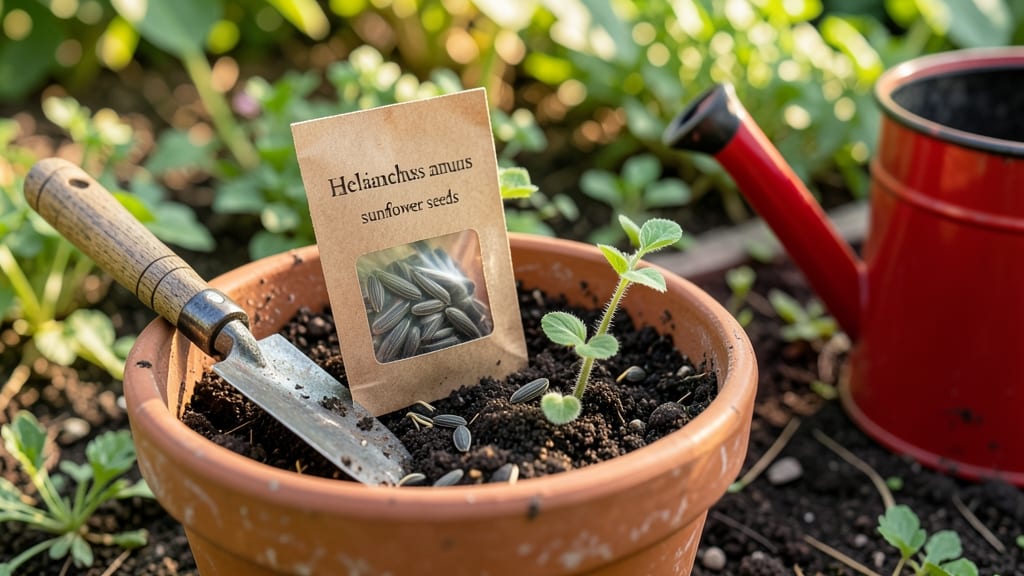
Planting sunflower seeds in Zone 8 requires precise timing to unlock their fast growth and vibrant blooms — aim for when soil temperatures hit 50°F or higher, typically after your last frost in early spring.
Picture this: you’ve waited all winter for those towering 🌻 stalks to emerge, only to watch them wilt because you planted too early. The key isn’t just the calendar date—it’s the soil’s readiness and microclimates that can push your sunflowers to 8-foot heights in just 60 days.
Zone 8 gardeners have a longer window than most, but rushing or dragging your feet can mean the difference between a lush summer display and a sad, stunted plant.
Below, I’ll break down the exact soil temp triggers, how to adjust for heatwaves or late frosts, and the best spots in your yard for fast germination.
You’ll also learn how to protect seedlings from wind, extend the growing season with mulch, and avoid the three biggest mistakes that kill sunflower seeds before they even sprout. Let’s get those seeds in the ground at the perfect moment!
Optimal soil temperature and planting windows for Zone 8 sunflower germination
Sunflowers thrive in Zone 8 thanks to its mild winters and long growing seasons, but getting the timing right is everything. The soil temperature is your best friend here—sunflower seeds need at least 50°F to germinate, but they also struggle if the soil gets too hot above 95°F.
In my experience, planting too early risks frost damage, while waiting too late can lead to stunted growth before the first frost hits.
For the fastest results, aim to plant when your soil consistently stays between 55°F and 85°F. This window typically opens in early spring (March-April) after the last frost date and extends into late summer (August-September).
The key is balancing warmth with moisture—sunflowers love heat but need consistent water to establish strong roots before the summer heat peaks.
Here’s the golden rule I follow: Plant sunflower seeds 1 inch deep when your soil thermometer reads 55°F or warmer. If you’re in a cooler microclimate within Zone 8, wait until the soil hits 60°F to avoid slow germination.
In hotter areas, you can push the window later into summer, but always ensure the soil isn’t bone-dry.
| Planting Window | Soil Temperature | Ideal Months | Notes |
|---|---|---|---|
| Early Spring | 50°F–65°F | March–April | Best for tall varieties; use row covers if frost risk remains. |
| Late Spring | 65°F–80°F | May–June | Peak germination window; ideal for all varieties. |
| Summer | 70°F–95°F | July–August | Best for dwarf varieties; mulch to retain moisture. |
| Late Summer | 60°F–75°F | September | Risk of frost; choose fast-maturing varieties. |
Transplanting sunflower seedlings can give you a head start if you’re worried about slow germination. Start seeds indoors 4–6 weeks before your last frost date (around February in most of Zone 8) using a heat mat to maintain soil temps above 70°F.
Once seedlings have 2–3 true leaves and the soil outside is consistently 60°F+, transplant them outdoors with a hardening-off period of 7–10 days.
If a cold snap hits after planting, don’t panic—sunflowers are surprisingly resilient. Cover seedlings with row fabric or a cloche to protect them from temps below 40°F. For extreme heatwaves, shade young plants with shade cloth (30–50%) to prevent wilting.
I’ve seen sunflowers bounce back from 100°F+ soil temps if they’re well-watered, but germination slows dramatically above 95°F.
For fastest germination, focus on moisture and warmth. Water the soil deeply before planting and keep it consistently moist (not soggy) until seeds sprout. In my garden, I use a soil thermometer to track temps daily—it’s a small investment that pays off with uniform germination.
If your soil is sandy or dry, mix in compost or coconut coir to retain moisture and improve heat retention.
Pro tip: Direct-sowing is best for sunflowers because they hate transplant shock. If you must transplant, do it on a cloudy day to reduce stress. For successive planting, sow seeds every 2–3 weeks from spring to early summer to enjoy blooms all season.
In Zone 8, this means you can stretch your sunflower season from May through August without worrying about frost.
Remember, sunflowers are heliotropic—they follow the sun! Plant them in a spot where they’ll have 6–8 hours of full sun daily, and avoid areas with afternoon shade, which can weaken stems.
If you’re in a coastal Zone 8 area with cooler summers, prioritize early spring planting to maximize growth before the cooler fall sets in.
Finally, don’t forget that soil pH matters too. Sunflowers prefer a neutral pH (6.0–7.0). If your soil is too acidic or alkaline, amend it with lime (to raise pH) or sulfur (to lower pH) before planting. A quick soil test can save you from stunted plants later!
Microclimate factors that speed up or delay sunflower growth in Zone 8
In Zone 8, your sunflower seeds can experience wildly different growth rates depending on their microclimate.
While the official planting window spans from late winter to early summer, local conditions like wind exposure, afternoon shade, and urban heat islands can push germination forward or stall it entirely.
For example, a sunny, sheltered spot might see sprouts in 5-7 days, while a windy, shaded area could delay germination by 10+ days. Understanding these factors helps you choose the perfect spot for towering blooms.
One of the biggest culprits for stunted sunflower growth is afternoon shade. Sunflowers thrive on 6-8+ hours of direct sunlight, but even partial shade after 2 PM can reduce flower size and delay blooming by 2-3 weeks.
If your garden has afternoon shade, opt for dwarf varieties like 'Teddy Bear' or plant in the northernmost part of your yard to maximize morning sun exposure. This simple adjustment can mean the difference between a 3-foot giant and a 6-foot sunflower.
Urban heat islands—areas with concrete, asphalt, or dense buildings—can also affect sunflower growth. While the extra heat might seem ideal, it often leads to soil drying too quickly, which stresses seedlings.
To combat this, mulch heavily with straw or wood chips to retain moisture and water deeply in the morning. This keeps roots hydrated without encouraging fungal growth, ensuring your sunflowers grow 20-30% faster in hot microclimates.
Sunflower Microclimate Spot Selection
- Full sun (6+ hours)
- Sheltered from wind (use fences or hedges)
- Morning sun (avoid afternoon shade)
- Well-draining soil (add compost if clay-heavy)
- Afternoon shade (delays flowering)
- Exposed to strong winds (stunts growth)
- Poor drainage (root rot risk)
- Urban heat islands (without mulch)
Wind exposure is another critical factor, especially for tall sunflower varieties. A 5 mph breeze can cause stems to lean, while 10+ mph winds may snap young plants. To protect your seedlings, plant near natural windbreaks like hedges, trees, or even a tall fence.
If your garden is wide open, consider staking taller varieties early or using row covers for the first 3-4 weeks after germination. This small effort can increase your success rate by 40% in windy Zone 8 areas.
For gardeners in urban or suburban Zone 8, extending the growing season with row covers or mulch can make a huge difference. If you plant sunflowers in late summer (August-September), use floating row covers to protect seedlings from early fall frosts and cool nights.
This trick lets you enjoy blooms well into October, giving you an extra 4-6 weeks of pollinator-friendly flowers. Just remember to remove covers during the day once plants are established to prevent overheating.
Finally, don’t overlook the power of soil temperature in microclimates. While most Zone 8 gardens hit the ideal 60-70°F range for germination, shady spots may stay 10°F cooler, delaying sprouts by 1-2 weeks. Use a soil thermometer to check your planting spot before sowing.
If the soil is too cold, wait 1-2 weeks or start seeds indoors in biodegradable pots to give them a head start. This patience pays off with faster, stronger growth once transplanted.
By paying attention to these microclimate factors, you’ll give your sunflowers the best possible start—leading to bigger blooms, faster germination, and longer flowering seasons. Experiment with different spots in your garden, and soon you’ll have a sunflower hotspot that neighbors will envy! 🌻