
Flowers
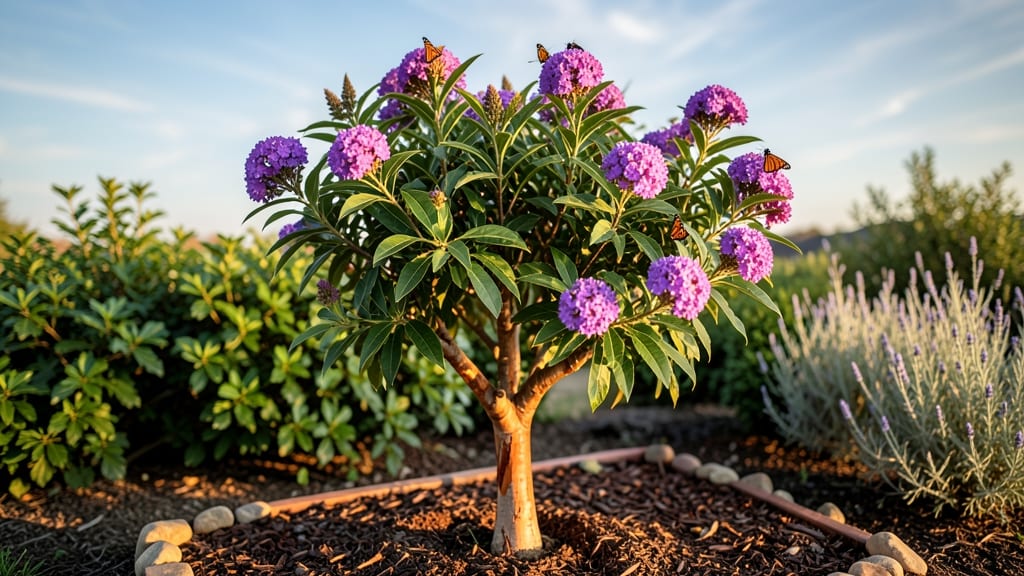
The lilac tree with little purple flowers 🌸 is one of spring’s most beloved garden stars, turning yards into fragrant, dreamy retreats with minimal effort.
Picture this: clusters of delicate blooms filling the air with sweet perfume, bees buzzing happily, and a plant that keeps its charm for decades with the right care. That’s the magic of a thriving lilac bush—though many gardeners miss the key to unlocking its full potential.
This hardy shrub (often tree-like) thrives in USDA Zone 6a and beyond, offering year-round interest when planted correctly. Whether you’re a beginner or a seasoned gardener, learning its secrets—like pruning after flowering and choosing the right sunlight spot—will transform your garden into a purple paradise.
Below, I’ll walk you through everything from identifying varieties to keeping your lilac bush blooming for years, plus 5 common mistakes that stunt its growth (and how to fix them fast).
Identifying lilac bushes: key features of trees with little purple flowers
When you spot a tree with little purple flowers in your garden or neighborhood, chances are you're looking at a lilac bush. These classic ornamental shrubs belong to the Syringa genus and are prized for their fragrant blooms and easy-care nature.
But how can you tell them apart from other purple-flowering plants like wisteria or clematis? Let's break down the key features that make lilacs stand out.
First, examine the flower clusters. Lilacs produce panicles—long, conical clusters of small, tubular flowers that grow directly from the stems. These blooms appear in spring and can range from lavender to deep purple, with some varieties even sporting white or pink hues.
Unlike wisteria, which has dangling clusters, lilac flowers grow upright, creating a striking vertical display.
Fragrance is another telltale sign. True lilacs emit a sweet, heady scent that fills the air during blooming season. While some modern varieties have been bred for low fragrance, most traditional lilacs will perfume your garden with their intoxicating aroma. This is a key differentiator from many other purple-flowering plants that often lack strong scents.
Now, let's look at the leaf structure. Lilac leaves are opposite (growing in pairs at each node) and have a smooth, oval shape with serrated edges. They're typically 1-4 inches long and turn yellow or golden in fall, adding seasonal interest.
This leaf arrangement helps distinguish them from plants like hydrangeas, which have larger, more rounded leaves.
| Feature | Lilac Characteristics | Key Differences |
|---|---|---|
| Flower Clusters | Upright panicles, 4-8 inches long | Wisteria: Dangling clusters; Clematis: Sprawling vines |
| Fragrance | Sweet, strong scent (most varieties) | Many purple plants: Little to no fragrance |
| Leaf Arrangement | Opposite pairs, oval shape | Hydrangeas: Alternate arrangement |
| Bloom Time | Late spring (April-May) | Wisteria: Early spring; Lavender: Summer |
| Growth Habit | Multi-stemmed shrub (often tree-like) | Wisteria: Climbing vine; Hydrangea: Bushy mounds |
🌸 Pro Tip: Rub a leaf between your fingers—lilac leaves have a slight hairiness on the underside.
Let's explore some common lilac varieties that might be growing in your area. The common lilac (Syringa vulgaris) is the most widely recognized, reaching heights of 10-15 feet with vibrant purple blooms.
For smaller gardens, consider dwarf varieties like Syringa meyeri (also called lilac lilac), which stays compact at 4-6 feet tall and blooms earlier in the season.
Another distinctive feature is the bark texture. Mature lilac stems develop shaggy, exfoliating bark that adds winter interest. This peeling bark is another clue when identifying lilacs in winter, when they've lost their leaves.
The bark's gray-brown color contrasts beautifully with snow, making lilacs a year-round garden star.
When it comes to growing zones, lilacs thrive in USDA zones 3-7, making them adaptable to northern climates where they can handle cold winters.
They prefer well-draining soil and full sun for optimal flowering. In hotter climates (zones 8-9), they may need afternoon shade to prevent stress during summer.
One final identification tip: examine the flower buds before they open. Lilac buds are oval and pointed, growing in tight clusters along the stems. As they open, they reveal four petals arranged in a cross shape.
This unique bud structure helps distinguish them from other purple-flowering shrubs that may have different petal arrangements.
If you're still unsure whether that tree with little purple flowers is a lilac, consider its growth pattern. Lilacs typically develop multiple stems from the base, creating a natural shrub form. Some gardeners prune them into tree-like shapes, but even
Step-by-step lilac bush care: pruning, soil, and sunlight secrets
Your lilac bush's little purple flowers are a garden highlight, but their full potential depends on three key factors: pruning timing, soil conditions, and sunlight exposure.
I’ve helped countless gardeners transform sparse lilacs into lush, fragrant giants by mastering these basics—let’s dive into the secrets that make the difference between a mediocre shrub and a showstopping specimen.
First, the sunlight rule is non-negotiable: lilacs crave 6+ hours of full sun daily. Plant them in a south-facing spot where they’ll bask in morning rays and enjoy afternoon warmth.
Skimp on sunlight, and you’ll see fewer blooms and leggy growth. Even partial shade can reduce flowering by 30-50%, so choose your location wisely.
-
Step 1: Prune After Blooming
Timing is everything! Cut back dead or crossing branches right after flowers fade (late spring). Never prune in fall—this removes next year’s blooms! -
Step 2: Test Soil pH
Lilacs thrive in slightly acidic to neutral soil (pH 6.0-7.0). Use a soil test kit ($10 at garden centers) and amend with lime (to raise pH) or sulfur (to lower it) if needed. -
Step 3: Water Deeply Weekly
New plants need 1-1.5 gallons of water weekly. Water at the base (not leaves) to prevent powdery mildew. Mature lilacs tolerate drought but bloom best with consistent moisture. -
Step 4: Mulch Annually
Spread 3 inches of organic mulch (wood chips or shredded bark) around the base in early spring. This locks in moisture and deters weeds—just keep mulch 6 inches away from the trunk. -
Step 5: Fertilize Once a Year
Apply 1 cup of 10-10-10 fertilizer in early spring (before buds swell). Over-fertilizing causes leaf burn—so follow the rule: less is more for lilacs!
Now, let’s talk soil secrets. Lilacs despise soggy roots, so ensure your planting spot has well-draining soil. Amend heavy clay with compost or sand to improve aeration. A quick test: dig a hole, fill it with water, and if it drains in 2 hours, you’re golden.
If not, mix in 20% compost to the top 12 inches of soil before planting.
One common mistake I see is pruning at the wrong time. Many gardeners cut back lilacs in late summer or fall, which removes next year’s flower buds. Always prune immediately after blooming—this encourages fuller growth and more abundant little purple flowers for the following spring.
Use sharp, clean shears to make cuts at a 45-degree angle just above a bud.
Finally, watch for powdery mildew, a fungal issue that turns leaves white and weakens your bush. To prevent it, water at the base, avoid overhead sprinklers, and prune for good airflow.
If mildew appears, spray with a neem oil solution (1 tsp per quart of water) every 7-10 days until it clears.
With these 5 simple steps, your lilac bush will reward you with years of fragrant blooms and lush foliage. The key is consistency—stick to the sunlight, soil, and pruning schedule, and you’ll have a tree with little purple flowers that’s the envy of the neighborhood! 🌸