
Blooming
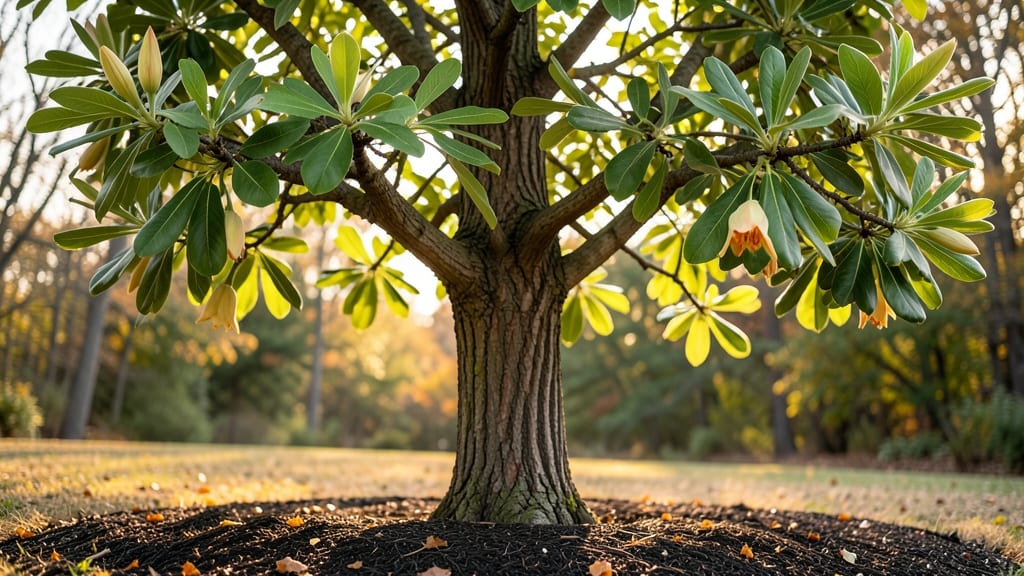
The tulip tree flowering time occurs in late spring, typically between April and May in most regions, but timing shifts dramatically depending on your USDA zone.
If you’ve ever wondered when your tulip tree will burst into vibrant, cup-shaped blooms, timing is everything—especially since flowering depends on your USDA hardiness zone. Miss the window, and you might wait another year for that showstopping spring display.
In Zone 6a, where these trees thrive, blooms usually appear in early May, while southern zones like Zone 8 may see flowers as early as March. Younger trees or those in cooler microclimates often bloom later, so patience is key.
Below, I’ll break down the exact months by zone, how to spot early bloomers, and simple ways to encourage consistent flowering—so you never miss the spectacle again.
Exact tulip tree flowering months by USDA hardiness Zone
Timing your tulip tree's (Liriodendron tulipifera) blooms is all about knowing your USDA hardiness zone. These towering beauties typically flower in late spring, but exact months vary dramatically from Zone 4 to Zone 9.
In colder zones, you might spot those iconic cup-shaped flowers as early as April, while warmer climates see blooms stretching into May or even June. Understanding these patterns helps you anticipate—and even encourage—your tree's spring spectacle.
Climate plays a huge role in tulip tree flowering. Chilling hours (cold winter temperatures) trigger bloom formation, while warm spring temperatures kickstart the process. Trees in Zone 4 need more chilling hours than those in Zone 9, which can lead to noticeable timing differences.
Additionally, latitude impacts flowering: Northern gardens often see earlier blooms than Southern ones, thanks to cooler spring temperatures slowing growth.
Here’s what you need to know about tulip tree flowering windows across the USDA zones, including regional variations and key factors that shift bloom timing:
If you live in Zone 4, expect your tulip tree to flower in late April or May, often right after the last frost. Trees in Zone 5-6 typically bloom in mid-May, while those in Zone 7-8 may wait until June.
The Southern US (Zone 9) sees the latest blooms, sometimes stretching into July or August, especially in areas with mild winters. These variations are why gardeners in cooler climates often get earlier—and more vibrant—blooms than those in warmer regions.
Latitude also plays a surprising role. Trees in Northern states (like Minnesota or New York) may bloom 2-3 weeks earlier than those in Southern states (like Georgia or Florida) due to cooler spring temperatures. For example, a tulip tree in Zone 6 Michigan
How to predict your tulip tree’s flowering time based on age and health
Predicting when your tulip tree will flower starts with understanding its age and health. Young trees often take 5-10 years to produce their first blooms, while mature specimens (over 20 years) may flower reliably every spring.
The key is observing subtle cues—like leaf size, branch density, and bud formation—that signal readiness.
Healthy tulip trees need full sun exposure (6+ hours daily) and well-draining soil to store energy for flowering. If your tree struggles with poor soil or shade, it may delay blooming until conditions improve. Even a slight improvement in sunlight can shift flowering by 2-4 weeks.
- 1 Age Matters: Trees under 10 years may not bloom; wait for mature height (15+ ft) for reliable flowers.
- 2 Sunlight Trigger: 6+ hours of sun accelerates flowering by 2-4 weeks compared to shaded trees.
- 3 Soil Health: Acidic soil (pH 5.0-6.5) and organic matter boost nutrient storage for blooms.
- 4 Pruning Impact: Avoid late-winter pruning—it removes next year’s flower buds hidden in branch crotches.
- 5 Bud Inspection: Look for greenish-yellow buds in late winter—these will bloom in 3-4 weeks.
Pruning habits play a critical role in flowering time. Tulip trees form flower buds in late summer, so pruning after July risks removing next year’s blooms. Instead, prune in early spring (March) to shape the tree without harming flower production.
Watch for bud swell in late winter—a sure sign your tree is preparing to flower. In Zone 6a, buds typically swell by mid-March, with blooms opening in April-May. Southern zones may see buds swell as early as February, while northern zones could delay until May.
To encourage earlier blooms, mulch heavily in fall with compost or leaf litter to insulate roots and store energy. A balanced fertilizer (10-10-10) applied in early spring also supports bud formation. With these adjustments, you can shift flowering by 1-2 weeks—turning a late bloomer into an early-season star.