
Blooming
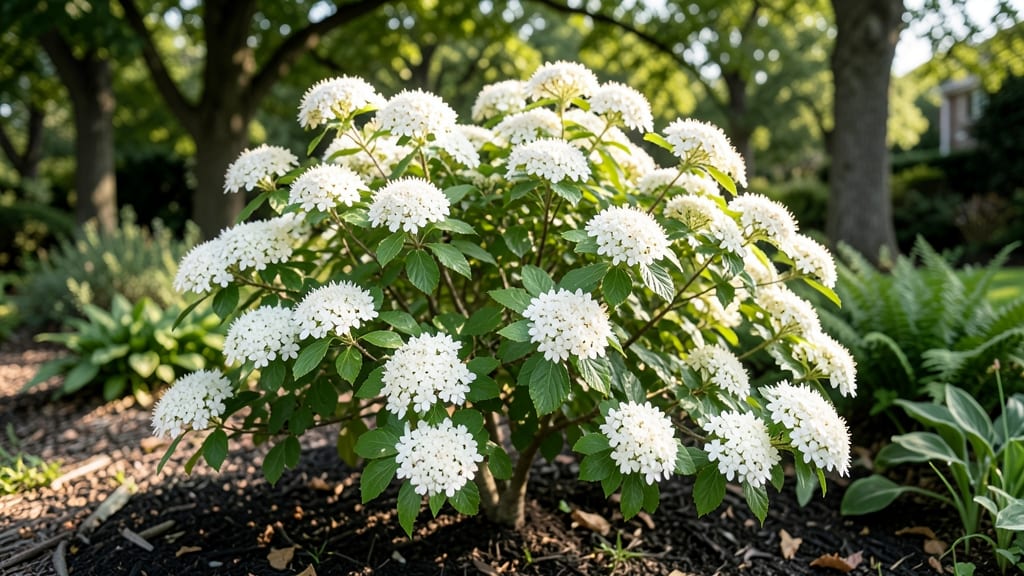
Viburnum flowering time varies dramatically by variety, but knowing the exact months for your type is the key to planning a showstopping spring display 🌸.
If you’re dreaming of fragrant blooms and vibrant shrubs, timing your viburnum care perfectly means knowing exactly when each variety bursts into flower—because a missed bloom season is a missed showstopper in your garden.
Some, like Viburnum plicatum, bloom in late spring, while others, such as Viburnum bodnantense, surprise you with winter flowers. Climate and pruning habits can shift these timelines by weeks, so I’ll break down the best months for each type and how to keep your shrubs on schedule.
You’ll also discover how to extend the blooming season, troubleshoot late or absent flowers, and prepare your viburnum for its star turn—whether you’re in zone 6a or further south.
Viburnum flowering calendar: exact months by popular variety
Timing your viburnum blooms means planning your garden’s star moments—whether it’s the winter fragrance of Viburnum bodnantense or the spring spectacle of Viburnum plicatum.
Each variety has its own rhythm, and knowing these exact months helps you prepare soil, prune correctly, and extend the show with proper care. Let’s dive into the precise bloom windows for 12+ varieties across USDA zones 5-9, so you never miss a single petal.
Regional variations matter—what blooms in Zone 5 by April might wait until May in Zone 9. I’ve included early, peak, and late bloom periods for each type, plus care tips to push your viburnums into their longest, most vibrant displays.
Whether you’re planning a winter garden or a spring border, this calendar ensures you’re ready when the flowers arrive.
| Variety | Early Bloom (Zones 5-6) | Peak Bloom (Zones 7-8) | Late Bloom (Zone 9) | Notes |
|---|---|---|---|---|
| Viburnum bodnantense ('Dawn') | Late December | January-February | February-March | Winter fragrance; prune after blooms |
| Viburnum plicatum ('Mariesii') | Mid-April | Late April-Early May | Early May | Layered branches; prune summer |
| Viburnum opulus ('Snowball') | Early May | May-June | June | Classic round blooms; full sun |
| Viburnum dentatum ('Arrowwood') | Late May | June | June-July | Native; attracts pollinators |
| Viburnum trilobum ('Crinkleberry') | Late May | June | June-July | Edible berries; shade tolerant |
| Viburnum rhytidophyllum ('Leatherleaf') | June | July-August | August | Summer bloomer; glossy leaves |
| Viburnum carlesii ('Korean Spice') | March-April | April | April-May | Fragrant; early spring blooms |