
Planting
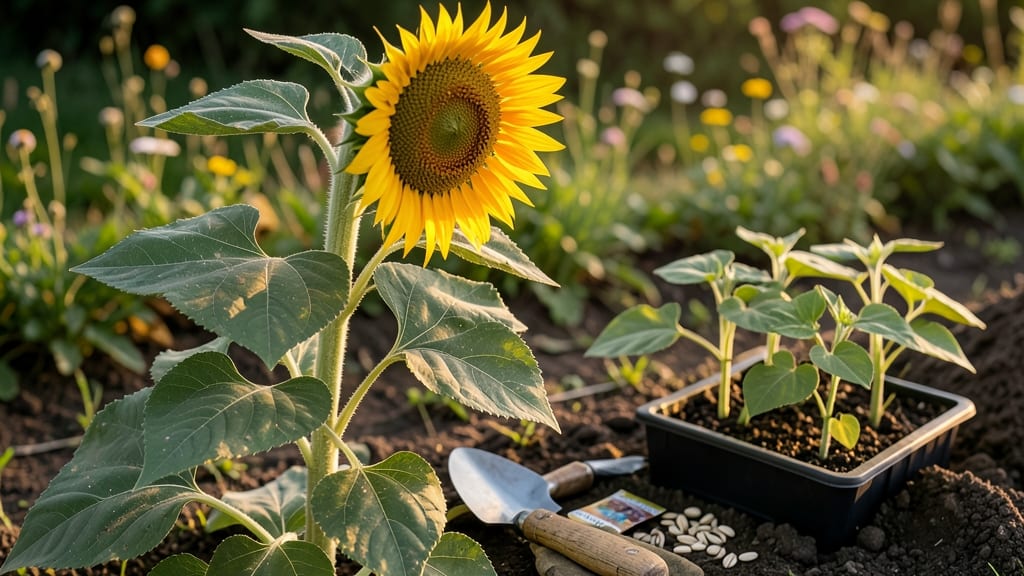
Planting sunflowers at the right time of year ensures those towering 🌻 blooms you dream of—so timing matters more than you might think, especially when USDA zones shape your growing window.
Picture this: you’ve waited all winter, and now your sunflower seeds are ready to go in the ground. But if you plant too early, frost will nip them in the bud, and too late, they’ll bolt before blooming.
The key is knowing your last frost date and adjusting for your zone.
In USDA Zone 6a, like many temperate regions, the ideal window is April through May, when soil warms and the risk of frost fades. But if you’re in a warmer zone, you might extend that window into late summer for a second harvest.
The goal? Give your sunflowers 70-100 days of warmth to reach their full glory.
Below, I’ll break down the best planting months for your zone, soil prep tips, and how to troubleshoot common timing mistakes—so you can go from seed to sunflower without a hitch.


Best planting times for sunflowers by USDA zone: a month-by-month guide
Timing your sunflower planting correctly ensures robust growth and stunning blooms. Since sunflowers thrive in warm soil and long daylight, your USDA zone determines the perfect window.
In cooler zones (3-5), start seeds indoors or wait until after the last frost, while warmer zones (9-11) can plant as early as February or even year-round in tropical areas.
Sunflowers are frost-sensitive seedlings, so avoid planting too early. Most gardeners prefer direct sowing outdoors for hardy sunflowers, though you can transplant young seedlings if started indoors. The key is balancing soil warmth (at least 55°F) with frost-free conditions to prevent damage.
Below is a zone-by-zone breakdown of ideal planting months, including adjustments for northern vs. southern climates. Use this as your guide to maximize bloom time and seed production.
In USDA zones 3-5, where frost dates are critical, wait until soil temperatures reach 55°F and all danger of frost has passed. Planting in late May ensures seedlings aren’t shocked by late frosts. For transplanting, start seeds indoors in March and move outdoors after hardening off.
Zones 6-8 offer the most flexibility. You can plant sunflowers as early as April in southern parts of these zones or wait until May in northern areas. This range accommodates both early bloomers (like 'Teddy Bear') and tall varieties (like 'Russian Giant').
For succession planting, sow a second batch in late June to enjoy fall blooms.
In USDA zones 9-11, sunflowers can be planted almost year-round, but avoid extreme summer heat. The best windows are February-March for spring blooms and August-September for fall flowers.
In tropical zones, use shade cloth during peak summer to prevent stress. Dwarf varieties like 'Moulin Rouge' thrive in containers, making them ideal for urban gardeners.
Regardless of your zone, always plant sunflower seeds 1 inch deep and 6 inches apart, thinning to 12-24 inches as they grow. This spacing prevents overcrowding and ensures each plant gets enough sunlight and nutrients.
Add a layer of mulch to retain moisture and suppress weeds, especially in drier zones.
For northern climates, consider using black plastic mulch to warm the soil faster. In southern climates, prioritize shade during peak afternoon sun to prevent wilting. Both strategies help extend your planting window and improve success rates.
If you miss the ideal window, don’t despair! Sunflowers are resilient. You can still plant in late summer for fall blooms, though expect smaller flowers. The key is adjusting watering and fertilizing to support late-season growth.
With the right timing, your sunflowers will reward you with vibrant blooms and hearty seeds all season long.
Pro tip: Mark your calendar with your last frost date and count back 70-100 days (depending on variety) to determine your planting window. This ensures your sunflowers mature before fall frosts hit. Happy planting! 🌻
How to adjust sunflower planting for early or late blooms: extending your season
If your USDA zone gives you a short growing season, don’t let that stop you from growing sunflowers! With the right techniques, you can push blooms earlier or later than the traditional spring window.
Whether you’re in Zone 3 with late frosts or Zone 10 with scorching summers, these strategies will help you maximize your sunflower season.
The key is understanding how to extend warmth or protect seedlings. For early blooms, focus on warming soil and shielding young plants. For late blooms, choose heat-tolerant varieties and stagger your planting. Let’s dive into the specifics so you can enjoy sunflowers from June to October—or even longer!
Use for early spring planting (Zone 3-6). Start seeds indoors or under covers 4-6 weeks before last frost to warm soil to 55°F+. Remove covers during the day to prevent overheating.
Lay black landscape fabric 2-3 weeks before planting to absorb heat and speed up germination. Ideal for cool climates where soil warms slowly.
For late-season blooms, sow seeds every 2-3 weeks from June to August. Choose fast-maturing varieties (e.g., 'Teddy Bear,' 50-60 days to bloom) to ensure flowers before frost.
Opt for 'Autumn Beauty' or 'Russian Mammoth' for late planting. These handle 90°F+ temps better than standard types and extend your harvest window by 3-4 weeks.
In dry climates, use drip lines and straw mulch to retain moisture. This prevents bolting (premature flowering) and keeps plants healthy for late blooms.
For gardeners in cooler zones (3-5), I’ve found that combining row covers with succession planting can double your bloom time. Start your first batch under covers in early April, then sow a second batch in late June for a fall display.
Just be sure to thin seedlings to 12-18 inches apart to avoid competition.
In warmer zones (8-11), focus on shade cloth during peak summer to protect seedlings from intense heat. Plant in late summer (August-September) for a winter harvest in mild climates. Varieties like 'ProCut' (a dual-purpose type) thrive in these conditions and even survive light frosts.
Troubleshooting is key—if your sunflowers bolt too quickly, it’s often due to stress from heat or drought. Keep soil consistently moist (but not soggy) and avoid over-fertilizing with nitrogen, which encourages leafy growth over flowers. A balanced 10-10-10 fertilizer applied at planting and mid-season keeps blooms on track.
With these adjustments, you can enjoy sunflowers from early summer to frost, no matter your zone. The secret? Adaptability—whether you’re racing against spring frosts or battling summer heat, sunflowers will reward you with bold, cheerful blooms all season long. 🌻