
Plants
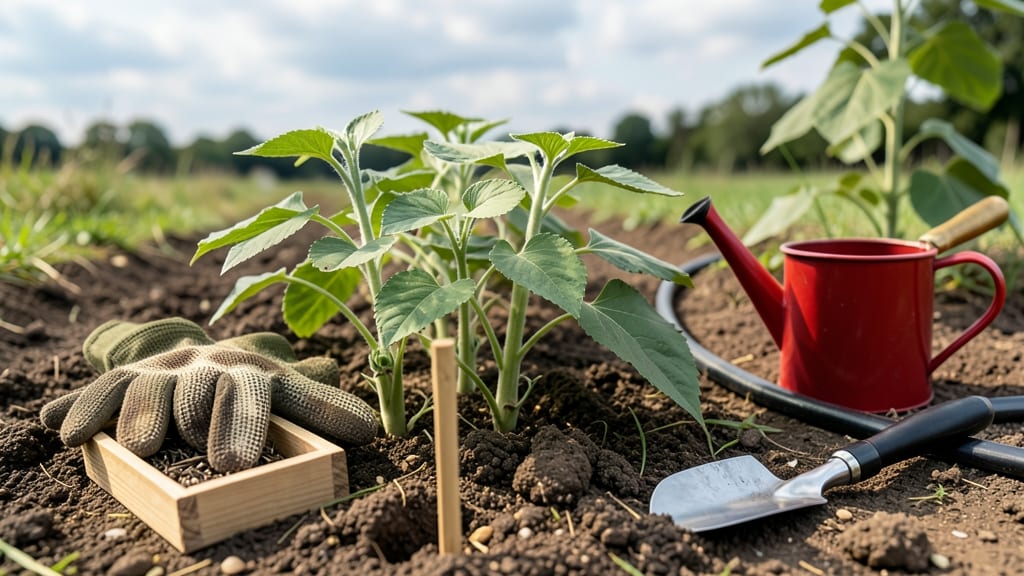
Planting sunflower seeds in Indiana at the right time means fast germination and towering 🌻 blooms by summer—miss the window, and you’ll end up with leggy, underwhelming stalks.
Here’s the secret: Indiana’s USDA Zone 6a last frost typically hits around April 15, but waiting until late April or early May gives those seeds the 60°F+ soil they crave for quick sprouting. Too early, and frost will nip them before they take hold.
Beyond timing, sunflowers are annuals that thrive on Indiana’s humidity and long summers, but they need direct sun and well-drained soil to avoid rot. I’ll walk you through the exact dates for Zones 5b and 6a, plus how to prep your garden for maximum height—up to 14 feet!
Ready to grow sunflowers that outshine your neighbors’? You’ll learn the 3-step planting process, when to fertilize for fast growth, and how to stretch your harvest into October with a few simple tricks.
Indiana sunflower planting deadlines by Zone (5b vs. 6a) for maximum growth
Indiana’s USDA Zones 5b and 6a offer perfect conditions for sunflowers, but timing is everything. Plant too early, and frost will kill tender seedlings. Too late, and your 10–14 day germination window shrinks, delaying those iconic golden blooms.
Let’s break down the ideal planting windows for each zone, including soil temperature thresholds and frost-free dates.
For Zone 5b, your last average frost date is around April 25, while Zone 6a typically sees its last frost by April 15. These dates mark the earliest safe soil temperatures for sunflower seeds—60°F or warmer.
If you plant before then, seeds may rot or fail to sprout. Warmer soil = faster germination, so aim for late April to early June for direct sowing.
Here’s the key difference: Zone 6a gardeners can start 1 week earlier than Zone 5b growers. That extra time means more sunflower varieties to choose from, including tall giants (12+ ft) and dwarf varieties (2–3 ft).
But don’t rush—even Zone 6a’s early start requires soil prep to avoid cold pockets where seeds might fail.
If you’re starting seeds indoors, Zone 6a gardeners can begin as early as March 1, while Zone 5b growers should wait until March 15. Use grow lights to maintain 14–16 hours of light daily until transplanting.
Harden off seedlings for 7–10 days before moving them outdoors after your zone’s last frost date.
For direct sowing, wait until the soil is consistently 60°F or warmer. Use a soil thermometer to check—cold soil delays germination. In Zone 5b, this usually means waiting until May 1, while Zone 6a can start as early as April 20.
Plant seeds 1 inch deep and 6 inches apart in rows 18–24 inches apart for full-size varieties.
Pro tip: Stagger your planting by 2 weeks for a continuous harvest. Sow a second batch in early June to enjoy sunflowers into late fall. Just be mindful of first frost dates—Zone 5b’s average is October 15, while Zone 6a holds off until October 25.
Choose fast-maturing varieties (50–60 days) for late-season plantings.
One common mistake? Planting sunflowers too close together. Crowded plants compete for sunlight and nutrients, leading to weak stems and smaller blooms. Give them space—they’ll reward you with 6–14 foot stalks and 3–4 inch flowers.
And don’t forget to water deeply after planting to encourage strong root growth.
For Zone 5b gardeners, focus on heat-tolerant varieties like 'Autumn Beauty' or 'Moulin Rouge'. These handle Indiana’s hot summers and humid conditions better than delicate types.
5 Critical factors that determine sunflower germination success in Indiana gardens
Sunflowers are resilient, but Indiana’s variable spring weather can turn your hard work into disappointment if you miss key germination factors. I’ve learned the hard way—skipping soil temperature checks or planting too shallow can delay sprouts by weeks.
Let’s break down the 5 non-negotiable factors for fast, healthy germination in your garden.
First, soil temperature is your secret weapon. Sunflower seeds need consistent warmth above 60°F to sprout reliably. In Indiana, this typically means waiting until mid-to-late May for direct sowing, unless you’re using a greenhouse or row covers to warm the soil earlier.
Cold soil slows germination and invites rot—don’t rush it!
Moisture management is equally critical. Overwatering is a common mistake that suffocates seeds, while too little causes them to dry out. Aim for consistently moist (not soggy) soil—think of a damp sponge. After planting, water gently to avoid displacing seeds, then maintain even moisture until sprouts emerge.
Now, let’s talk planting depth. Many gardeners bury sunflower seeds too shallow or too deep. The sweet spot? 1 to 1.5 inches deep. Planting shallower risks drying out, while deeper planting can delay emergence.
Use your finger to create a small hole, drop in 1-2 seeds, and cover lightly with soil. A gentle press helps maintain contact with the earth.
- Soil Temp: Wait for 60°F+ (use a soil thermometer!)
- Moisture: Keep soil damp like a sponge—not soggy!
- Depth: 1–1.5 inches deep for ideal sprouting
- Spacing: 6–12 inches apart (thin later if needed)
- Companions: Plant with bush beans or marigolds to deter pests
Don’t overlook companion planting, which can boost your sunflowers’ growth. I’ve had the best success pairing them with bush beans (which fix nitrogen in the soil) or marigolds (which repel pests like aphids).
Avoid planting near potatoes or corn, as they compete for nutrients and attract similar pests. Strategic companions can mean the difference between stunted plants and towering sunflowers reaching their full potential.
Finally, watch for common mistakes that sabotage germination. Overwatering after planting washes seeds away, while shallow planting leaves them vulnerable to drying out. Another pitfall? Planting too close together—sunflowers need space to grow.
Start with 6–12 inches apart in rows spaced 18–24 inches apart. Thin seedlings to the strongest sprout to avoid competition.
With these 5 factors in check, your Indiana sunflowers will sprout within 7–14 days and reward you with vibrant blooms by summer. The key is patience and precision—your sunflowers will thank you with those iconic golden faces! 🌻