
Flowers
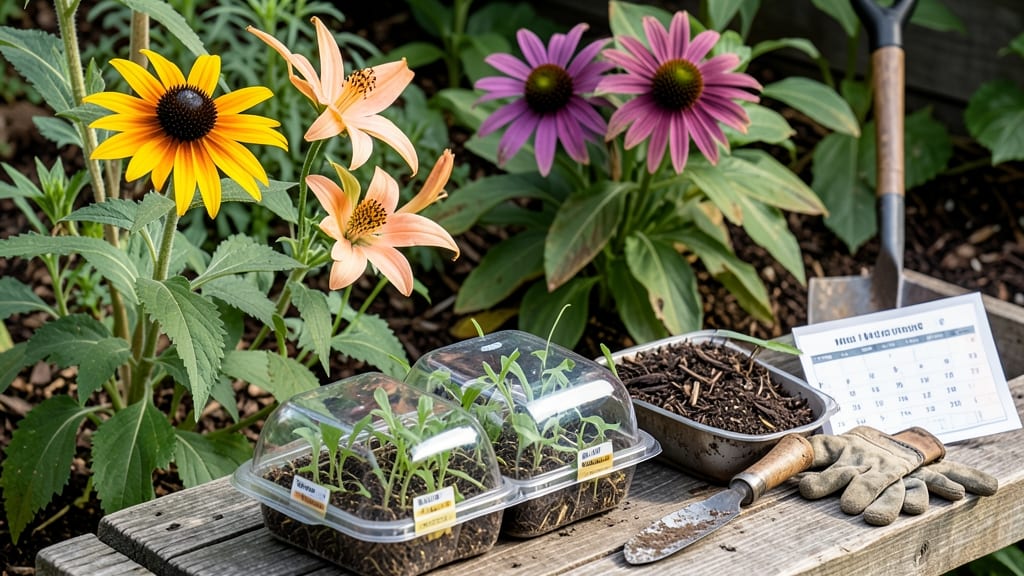
You can plant flowers in Michigan once the soil warms to 50°F and the last frost has passed—typically mid-April to early May for most regions in zones 5b-6b.
Michigan gardeners know timing is everything—plant flowers too early, and frost will kill them; too late, and summer blooms never arrive. Follow this zone-specific guide to maximize your flower beds from spring to fall.
Whether you’re sowing hardy annuals like pansies or perennials such as black-eyed Susans, the right schedule ensures vibrant blooms all season. I’ll break down frost dates, soil temps, and even how to stretch your planting window with row covers.
By the end, you’ll know exactly when to start seeds indoors, when to transplant, and which varieties thrive in Michigan’s short but sweet growing season.
Michigan flower planting calendar by hardiness zones (5b, 6a, 6b)
Michigan’s USDA hardiness zones 5b, 6a, and 6b create distinct planting windows for flowers, where timing directly impacts bloom success. In Zone 5b (southern Michigan), last frost typically arrives around April 15, while Zone 6a/6b (northern regions) may wait until May 1.
Understanding these differences ensures your annuals, perennials, and bulbs thrive without frost damage.
Soil temperature is just as critical as air temperature—most flowers need 50°F (10°C) soil to germinate or transplant safely. Use a soil thermometer to verify conditions before planting.
For cold-hardy varieties like pansies or snapdragons, you can start as early as March in Zone 6b, but tender annuals like marigolds should wait until after May 15.
This calendar aligns with Michigan State University Extension guidelines, accounting for regional microclimates. Urban areas may experience earlier last frosts due to heat islands, while rural zones could face delayed warming. Always monitor local forecasts and adjust planting dates accordingly.
🌱
For Zone 5b, early spring is ideal for planting cold-hardy bulbs like tulips and daffodils in March, as they establish roots before summer heat. By April 15, you can confidently transplant perennials such as coneflowers and black-eyed Susans, which thrive with Michigan’s 6-8 hours of sunlight.
Annuals like marigolds and zinnias should wait until May 1-15, when soil temperatures consistently stay
Best flowers to plant in Michigan’s spring, summer, and fall
Michigan’s variable climate demands smart flower choices—whether you’re planting frost-tolerant annuals or hardy perennials. The key is matching varieties to your sunlight conditions and planting them at the right time to avoid late frosts or missed blooms.
I’ve curated a list of top performers that thrive in Michigan’s zones 5b-6b, from early spring bloomers to late-season showstoppers. These selections work beautifully in both containers and garden beds, with notes on sunlight needs and planting windows.
For spring planting, focus on bulbs like daffodils and tulips (plant in fall!) plus hardy annuals such as pansies and sweet alyssum. Summer calls for sun-loving zinnias and marigolds, while fall offers mums and asters for late-season color.
- 1. Spring Planting (April-May): Start with pansies and snapdragons (tolerate light frost) and transplant perennials like coneflowers after last frost.
- 2. Summer Bloomers (June-August): Sow zinnias and sunflowers directly in full sun—they thrive in Michigan’s heat and attract pollinators.
- 3. Fall Favorites (September-October): Plant mums and asters for late color; choose cold-hardy varieties like ‘Autumn Joy’ sedum for frost resistance.
- 4. Container Tips: Use fast-draining mix and self-watering pots for annuals like petunias—they dry out quicker than in-ground plants.
- 5. Perennial Powerhouses: Black-eyed Susans and bee balm return yearly; plant in partial shade for longer blooms in hot summers.
For shady spots, try impatiens or foxgloves—they handle Michigan’s partial shade beautifully. In containers, geraniums and coleus add vibrant color with minimal care, perfect for patios or balconies.
Pro tip: Mulch heavily after planting to retain moisture and protect roots from temperature swings. In fall, add a 3-inch layer of compost to feed perennials through winter.
By choosing these climate-adapted flowers, you’ll enjoy continuous blooms from early spring through frost—without the guesswork. Happy planting! 🌷