
Flowers
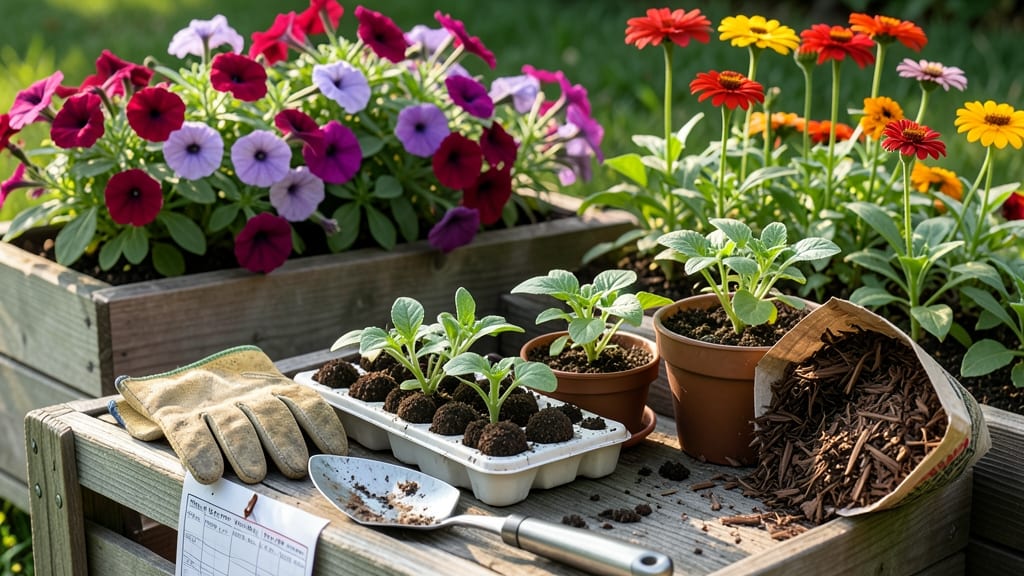
Planting flowers in Indiana at the right time means the difference between a vibrant summer garden and a sad, frost-nipped disappointment.
Indiana’s unpredictable spring weather can turn your flower planting plans into a guessing game—but timing is everything for vibrant blooms. Knowing your USDA Zone (5b or 6a) and last frost dates ensures your flowers thrive, not just survive.
In Zone 6a, like much of southern Indiana, the average last frost falls around April 15, while northern areas in Zone 5b may wait until mid-May. That’s why waiting until after the last frost is critical for tender annuals like marigolds and petunias.
Below, I’ll break down the best planting windows for spring and fall, which flowers to prioritize by month, and how to adjust for late frosts or urban microclimates. No more guessing—just blooms on time.
Indiana last frost dates by USDA Zone (5b vs 6a): critical planting timelines
Understanding Indiana's last frost dates is the foundation for successful flower gardening. With USDA Zone 5b in northern Indiana and Zone 6a in southern regions, the timing can vary by 2-3 weeks. These differences mean the difference between thriving blooms and frost-nipped disappointment.
For Zone 5b (northern Indiana), the average last frost date falls around April 25, while Zone 6a (southern Indiana) typically sees its last frost around April 10. However, these are averages—actual dates can shift by 10-14 days based on year-to-year weather patterns.
Historical data from Purdue Extension shows that Zone 5b has experienced last frosts as late as May 10, while Zone 6a has seen early springs with last frosts by March 25. This variability is why gardeners should prepare for both scenarios when planning their planting schedules.
Microclimates within Indiana also play a crucial role. Urban areas like Indianapolis often experience warmer microclimates due to the urban heat island effect, potentially allowing for earlier planting. Meanwhile, rural areas and higher elevations may experience cooler conditions that delay spring warming.
To determine your local last frost date, check the National Weather Service or use Purdue Extension's Indiana Climate resources. These tools provide historical data and real-time updates that can help you fine-tune your planting schedule for optimal success.
For cool-season flowers like pansies and snapdragons, you can plant 4-6 weeks before your average last frost date. These hardy annuals can often tolerate light frosts, making them ideal for early spring planting in both zones.
Warm-season flowers, such as marigolds and zinnias, should wait until after your last frost date to be planted. These plants are frost-sensitive and will not thrive if exposed to freezing temperatures.
In Zone 5b, this means waiting until mid-May, while Zone 6a gardeners can plant as early as late April.
Perennials like coneflowers and black-eyed Susans can be planted in early spring or early fall. For spring planting, aim to get them in the ground 2-3 weeks before your last frost date to allow roots to establish before warmer weather arrives.
Fall planting is another strategy for Indiana gardeners. Many perennials and cool-season annuals can be planted in September or early October, giving them time to establish roots before winter. This approach helps ensure strong growth and vibrant blooms the following spring.
Always monitor local weather forecasts in the weeks leading up to planting. Unexpected late frosts can still occur, so be prepared to protect tender plants with row covers or move potted plants indoors temporarily.
🌱
When planning your garden, also consider the first frost dates in fall. For Zone 5b, the first frost typically arrives around October 15, while Zone 6a sees its first frost around October 25.
This timeline helps you determine when to harvest seeds or bring tender plants indoors.
For bulbs like tulips and daffodils, planting in fall is ideal. Aim to get them in the ground 6-8 weeks before the first frost date. This gives bulbs time to establish roots before winter dormancy begins.
Always keep a gardening journal to track your local frost dates and planting success. Over time, you'll develop a better sense of your specific microclimate and can adjust
Best flowers to plant by month in Indiana (Zone-specific guide)
Indiana’s two distinct growing seasons mean your flower planting schedule should shift with the weather. Cool-season bloomers like pansies and snapdragons thrive in early spring or fall, while warm-season favorites such as zinnias and marigolds need to wait until after the last frost.
In Zone 6a, start cool-season flowers as early as March, but hold off on tender annuals until mid-April.
For Zone 5b gardeners, delay planting until late April or early May to avoid frost damage. Fall planting offers a second chance—many perennials and bulbs like chrysanthemums and tulips can be planted in September or October for stunning spring blooms.
Below, I’ll guide you through the best flowers to plant each month, tailored to Indiana’s climate.
Cool-season flowers: Pansies, Snapdragons, Sweet Alyssum, Calendula
Start hardy annuals: Marigolds, Petunias, Zinnias, and cool-season perennials like Coneflowers
Warm-season powerhouses: Sunflowers, Dahlias, Cosmos, and heat-loving perennials like Black-Eyed Susans
Bulbs: Tulips, Daffodils, and Chrysanthemums for spring color; cool-season annuals like Stock and Sweet Peas
Late bloomers: Asters, Mums, and Pansies for winter interest; plant spring bulbs before ground freezes
March is your window for cool-season annuals in Zone 6a. Pansies and snapdragons can handle light frosts and even bloom in chilly weather. For Zone 5b, wait until late March or April to avoid frost damage.
These early bloomers provide color when little else is growing, making them perfect for container gardens or border edges.
By April, most of Indiana can safely plant hardy annuals like marigolds and petunias. These flowers thrive in warmer temperatures but can tolerate brief cold snaps. Perennials like coneflowers also benefit from an early start, giving them time to establish roots before summer heat arrives.
In Zone 5b, monitor weather forecasts—late frosts can still occur.
May marks the official start for warm-season flowers like sunflowers and dahlias.
These plants need consistent warmth to grow, so wait until after the last frost date (typically mid-April in Zone 6a and early May in Zone 5b). Heat-loving perennials such as black-eyed Susans will reward you with bold blooms all summer if planted at the right time.
Don’t overlook fall planting—it’s your chance to extend the blooming season. September is ideal for planting spring-blooming bulbs like tulips and daffodils, which need 6-8 weeks of cool weather to root before winter. Chrysanthemums and asters also thrive when planted in early fall, offering late-season color before the first frost.
For Zone 6a, October allows one last round of planting. Pansies and sweet peas can handle light frosts and even bloom in cool weather.
If you haven’t planted spring bulbs yet, October is your final chance before the ground freezes. Mulch heavily after planting to protect roots from winter temperature swings.