
Blooming
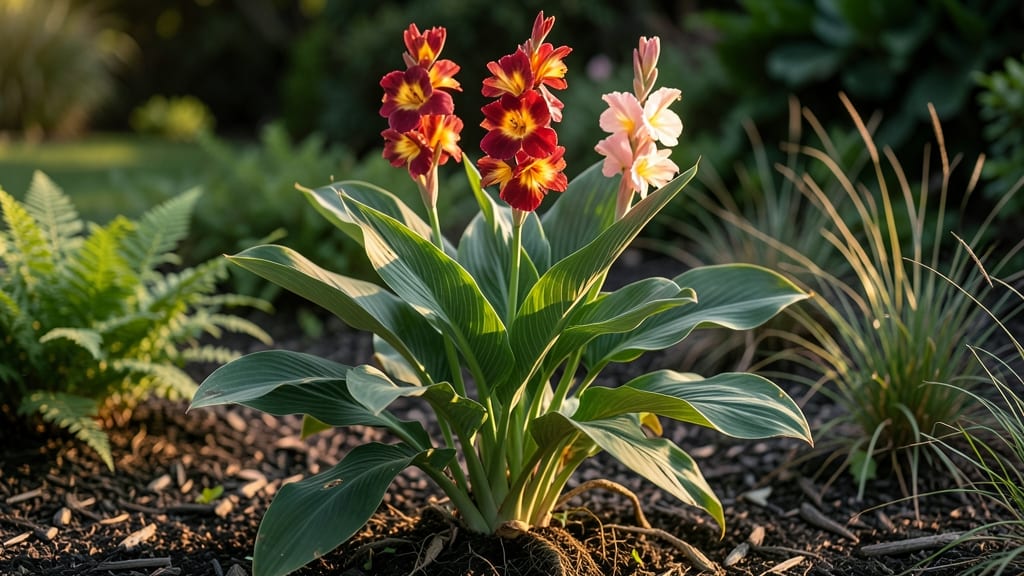
Cannas flower between mid-summer and early fall, turning your garden into a bold, tropical burst of color 🌺 — but the exact timing depends on your variety, planting date, and climate.
If you’ve ever waited patiently for those dramatic blooms only to be met with stubborn foliage, you’re not alone. The secret lies in understanding how light, soil, and temperature work together to trigger flowering — and when to adjust your care to coax those showstopping blooms.
From early bloomers like 'Tropicanna' lighting up in July to late-season stars like 'Black Knight' holding court through September, each variety has its own rhythm. In warmer zones like USDA 6a and up, cannas can even stretch their show into October with the right care.
Here’s how to predict your cannas’ blooming window, extend their season, and troubleshoot slow starters — so you can enjoy months of vibrant color instead of a fleeting summer flash.
Canna flowering seasons by variety: what to expect each month
Cannas are tropical showstoppers that reward patient gardeners with bold, vibrant blooms—but their flowering timeline varies wildly by variety and climate. Some varieties like 'Tropicanna' burst into color by early summer, while others like 'Black Knight' wait until late summer.
Understanding these differences helps you plan your garden for maximum impact.
The key to predicting canna blooms lies in USDA zones 7-11, where these heat-loving plants thrive. In cooler zones (7-8), expect blooms to start 4-6 weeks later than in tropical zones (10-11). Even within the same zone, microclimates—like a sunny south-facing border—can shift blooming windows by weeks.
Here’s your month-by-month blooming guide for popular canna varieties, including early, mid-, and late-season performers. Use this as your garden’s roadmap to timing plantings and extending the season with simple care tweaks.
In USDA zone 11, where frost is rare,
How to predict and extend canna blooming: pro tips for gardeners
Cannas are famous for their bold, tropical blooms, but many gardeners struggle with slow blooming or short flowering seasons. The good news? With the right approach, you can predict blooming windows and extend the season by up to 2 months.
The key lies in understanding their light, nutrient, and water needs—plus a few clever pruning tricks most gardeners overlook.
First, let’s debunk a common myth: Cannas don’t bloom just once. With proper care, they can produce multiple flushes of flowers throughout the growing season. The secret? Mimicking their natural tropical environment by providing consistent moisture, rich soil, and full sun.
Even in cooler climates (USDA zones 7-9), you can coax earlier blooms by starting rhizomes indoors or using black plastic mulch to warm the soil faster.
🌺 5 Pro Tips to Predict & Extend Canna Blooming
- 1. Light is non-negotiable: Cannas need 6+ hours of direct sun daily. Without it, they’ll focus on foliage, not flowers. Use reflective surfaces (like white walls) to bounce extra light to shaded plants.
- 2. Feed for flowers: Use a high-phosphorus fertilizer (5-10-10) when buds form. Phosphorus (the middle number) is the "bloom booster." Apply it every 4-6 weeks during peak growing months (May-August).
- 3. Water wisely: Deep water 2-3 times per week (more in heat). Avoid wetting leaves to prevent leaf spot disease, which stresses plants and delays blooms. Use drip irrigation for consistency.
- 4. Deadhead strategically: Snip off spent blooms but leave the seed pods if you want more flowers. Cannas often rebloom from the same stem if you remove faded blooms just above a leaf node.
- 5. Prune for prolonging: Cut back 1/3 of the plant after the first flush of flowers. This redirects energy to new growth and often triggers a second (or third!) blooming cycle by late summer.
If your cannas are slow to bloom, check these red flags first: poor soil drainage (root rot stalls growth), overcrowded rhizomes (dig up and separate clumps every 2-3 years), or low potassium (yellow edges on leaves).
A quick fix? Mix 1 cup of wood ash into the soil for a potassium boost—it’s a natural, budget-friendly solution.
For earlier blooms, start rhizomes indoors in late winter (8-10 weeks before last frost). Use a grow light if natural light is limited, and transplant outdoors only after soil reaches 60°F.
Pro tip: Plant dwarf varieties (like 'Tropicanna') first—they bloom faster and signal when it’s safe to plant taller types.
Remember, cannas are perennials in zones 8-11 but often treated as annuals in colder areas. If you live in a short-season climate, dig up rhizomes in fall, store them in dry peat moss, and replant next spring. This trick lets you control blooming timing and avoid winter kill.