
Flowers
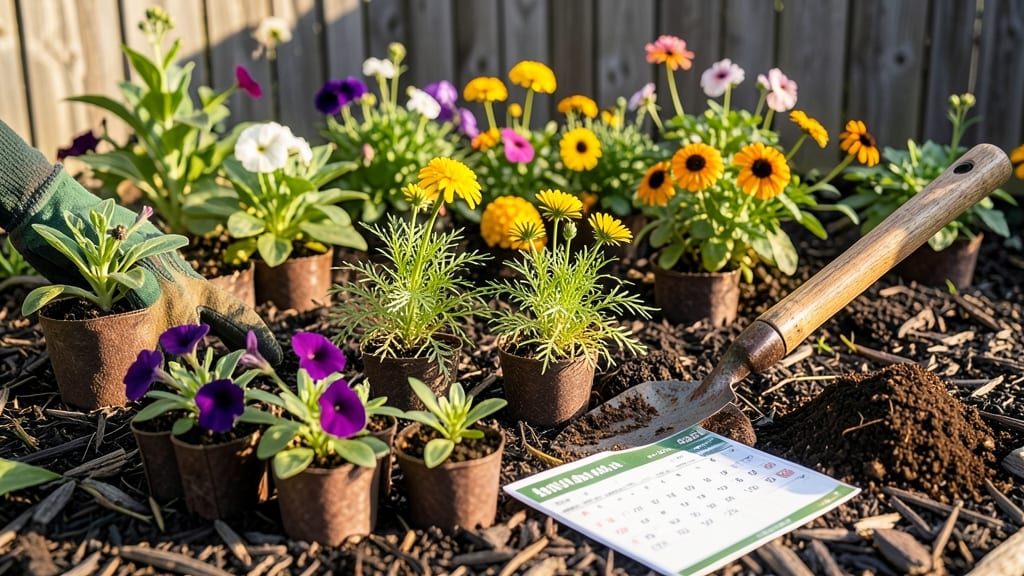
When is it safe to plant flowers in Ohio? Knowing the last frost date—typically mid-April to early May—ensures your 🌸 blooms thrive without frost damage.
Ohio gardeners know timing is everything — plant flowers too early and a late frost can wipe out your blooms in minutes. But get it right, and you’ll enjoy vibrant gardens from spring to fall without stress.
This guide covers Ohio’s frost-free dates by county, cold-hardy flower varieties, and smart strategies to extend your planting window safely. Whether you’re growing annuals or perennials, knowing the right time saves you from costly mistakes.
You’ll also learn how to read local weather patterns, prepare your soil, and choose flowers that handle Ohio’s unpredictable spring weather like a pro.
Ohio’s last frost dates by county: the exact timeline for risk-free flower planting
Ohio’s last frost dates vary dramatically from north to south, making it critical to know your exact county’s timeline before planting flowers. A late frost in May can turn your vibrant petunias into icy mush overnight, while planting too late misses the peak bloom season.
Using data from NOAA and Ohio State University Extension, I’ve compiled the most accurate last frost averages by county—plus how to adjust for your microclimate.
Northern Ohio counties like Ashtabula and Lake often see their last frost in mid-May, while southern regions like Lawrence and Scioto can safely plant by early April.
These dates aren’t set in stone—elevation, urban heat islands, and lake-effect winds can shift your local window by 1-2 weeks. For example, gardens near Lake Erie may experience delayed warming due to cooler lake breezes.
Here’s how to use this data: Annual flowers like marigolds and zinnias need consistent warmth, so wait until after your county’s last frost. Perennials, however, can often handle cooler soil and may be planted 2-3 weeks earlier once the ground thaws.
Always check a 7-day forecast before planting—even if the average last frost has passed, a late cold snap can still sneak in.
For annual flowers, like petunias and geraniums, always wait until after your county’s last frost date.
These heat-loving plants won’t survive even a light frost. Perennials, such as black-eyed Susans or coneflowers, are more forgiving—you can plant them 2-3 weeks earlier once the ground thaws, as their roots establish slowly in cold soil. Bulbs, like tulips or daffodils, should be planted in fall (October–November) for spring blooms.
If you’re unsure about your local microclimate, observe nearby fruit trees or ornamental cherries—they bloom after the last frost and signal it’s safe.
For container gardening, you can plant 2 weeks earlier since pots warm faster, but move them indoors if frost is forecasted. Row covers or frost cloths can also extend your planting window by 10-14 days for early spring bloomers like pansies or snapdragons.
Pro tip: Bookmark the Ohio State University Extension’s Frost Date Map
5 Proven strategies to outsmart Ohio’s unpredictable spring weather
Ohio’s spring weather can be a real rollercoaster—one day it’s sunny and warm, the next we’re scrambling to cover plants from unexpected frost. The key to success? Flexibility and preparation.
I’ve learned that even the most experienced gardeners rely on a few tried-and-true strategies to extend the planting window safely. Whether you’re dealing with late frosts or unpredictable temperature swings, these methods will help you plant with confidence.
First, always check the local 10-day forecast and NOAA frost predictions before planting. I use the Ohio State University Extension website to track last frost dates by county—this gives me a baseline, but I never plant based on averages alone.
Instead, I combine these forecasts with real-time soil temperatures (using a soil thermometer) to make the final call. This two-step process has saved my marigolds and petunias more times than I can count!
- Use frost cloths to protect tender plants during late frosts (cover plants at dusk and remove by 10 AM for sunlight).
- Plant cold-hardy varieties like pansies and snapdragons 4-6 weeks before the last frost for early color.
- Warm soil faster with black plastic mulch or straw bales—this can add 2-3 weeks to your planting window.
- Monitor nighttime lows—if temps drop below 40°F, delay planting or use row covers.
- Start warm-season flowers like geraniums indoors 6-8 weeks before the last frost for a head start.
One of my favorite tricks is using frost cloths or row covers to create a microclimate for delicate plants. I’ve seen tomato seedlings and impatiens thrive under these covers even when the forecast calls for 30°F nights.
The secret? Proper ventilation—leave the edges slightly open during the day to prevent overheating. I also avoid plastic sheeting, as it can trap too much moisture and lead to fungal diseases.
For soil warming, I swear by black plastic mulch. Laying it down 2-3 weeks before planting can raise soil temperatures by 5-10°F, which is a game-changer for warm-season flowers like zinnias and cosmos.
If plastic isn’t your style, try straw bales or even cardboard mulch—both work well and break down naturally. Just remember to remove any non-biodegradable materials before planting!
Interpreting weather forecasts like a pro starts with understanding probability vs. certainty. A forecast that says “30% chance of frost” is very different from “90% chance.”
I use the National Weather Service’s “Frost Advisory” alerts as a red flag to delay planting or cover existing plants. For extra peace of mind, I also check the 10-day soil temperature trends—if the ground isn’t warming consistently, I’ll wait another week.
Finally, don’t underestimate the power of container gardening. Pots can be moved to sheltered spots or even indoors if a frost warning pops up. I keep my geraniums and begonias in movable containers so I can roll them under a carport or porch roof at a moment’s notice.
This flexibility has let me enjoy blooms weeks earlier than my in-ground plantings!
With these strategies, you’ll turn Ohio’s unpredictable spring into your superpower. The key is layered protection—combine frost cloths, soil warming, and smart forecasting to create the perfect conditions for your flowers to thrive. Happy planting! 🌸