
Flowers
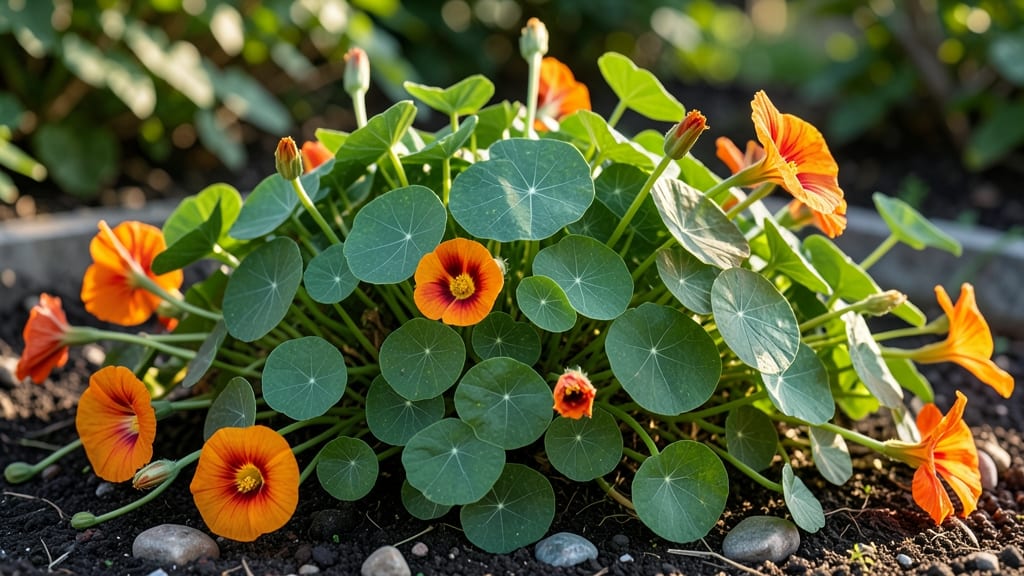
Nasturtium flowers bloom from early summer through fall 🌸, with some varieties starting as early as June and others stretching into October.
If you’ve ever wondered why your nasturtium plants seem to burst into color at different times—or why some varieties bloom all season while others fade quickly—the answer lies in their unique flowering cycles.
Planting time matters, but sunlight and climate play even bigger roles. In cooler zones like 6a, nasturtiums often kick off blooming later than in warmer regions, where they can start as early as May.
Below, I’ll break down the best ways to time your planting, care for them through the season, and even extend their blooming period so you get vibrant flowers from first light to frost.
Nasturtium flowering timeline by variety: annual vs. perennial blooms
Nasturtiums are one of the most colorful additions to any garden, but their blooming periods vary dramatically depending on the variety and whether they're grown as annuals or perennials.
Most gardeners plant nasturtiums as annuals, but in warmer USDA zones 9-10, they can behave like perennials, returning year after year. Understanding these differences helps you plan for continuous color from early summer to frost.
The key to maximizing blooms lies in choosing the right variety for your climate. Some nasturtiums, like 'Alaska', bloom early and continuously, while others, such as 'Empress of India', produce dramatic late-season flowers.
Below, we break down the flowering timelines for popular varieties so you can create a garden that stays vibrant all season long.
🌱 Climate Note: In USDA zones 5-7, nasturtiums are typically grown as annuals, while in zones 8-10, they may overwinter and return as perennials. Always check your local frost dates to time your plantings for the longest possible bloom season.
| Variety | Type | Bloom Period | Peak Bloom | USDA Zones | Color Palette |
|---|---|---|---|---|---|
| 'Alaska' | Annual | Early June - Frost | June - July | 5-10 | White, pink, salmon |
| 'Jewel Mix' | Annual | Late June - October | July - August | 5-10 | Red, orange, yellow |
| 'Maestro' | Annual | Late May - Frost | June - September | 5-10 | Deep red, burgundy |
| 'Empress of India' | Perennial (zones 9-10) | July - October | August - September | 9-10 | Crimson, deep orange |
| 'Dwarf Gem Mix' | Annual | June - September | July | 5-10 | Yellow, orange, red |
| 'Peach Melba' | Annual | Late June - Frost | July - August | 5-10 | Peach, cream |
If you're in USDA zones 5-7, focus on annual varieties like 'Alaska' or 'Jewel Mix' for the earliest blooms. These varieties typically start flowering just 6-8 weeks after sowing, making them perfect for filling gaps in early summer containers or borders.
For a longer bloom season, mix early bloomers like 'Alaska' with late-season varieties such as 'Maestro', which shines in late summer and fall.
In warmer climates (zones 8-10), you can extend your nasturtium season by planting perennial varieties like 'Empress of India'. These plants often bloom later in the season and may even produce flowers into early winter if protected from frost. I’ve found that in zone
How to extend nasturtium blooms: pruning, deadheading, and seasonal care
Nasturtiums are self-seeding annuals that naturally produce flowers from early summer through fall, but their blooming period can be extended with the right care. The key to continuous blooms lies in understanding when and how to prune and deadhead these plants.
Unlike many flowers, nasturtiums don’t require heavy pruning, but strategic cuts encourage more vibrant blooms and prevent the plant from focusing energy on seed production instead of flowers.
Most nasturtium varieties bloom from June through October, but with proper care, you can push that window even further. The secret is removing spent blooms regularly and providing the right growing conditions. Since nasturtiums are self-pollinating, they’ll quickly shift energy to seed production if you don’t intervene.
I’ve found that a combination of deadheading, light pruning, and seasonal adjustments keeps my nasturtiums flowering until the first frost.
Here’s how to maximize your nasturtium blooms throughout the season:
🌸 Step-by-Step Guide to Extending Nasturtium Blooms
-
Step 1: Deadhead Daily
Remove spent flowers every 2-3 days using clean pruning shears. This prevents seed formation and redirects energy to new blooms. Focus on fully opened flowers that are fading. -
Step 2: Prune Lightly in Spring
After the last frost, trim back overwintered plants by 1/3 to encourage bushier growth. Use sterilized scissors to avoid disease. This is especially helpful for perennial varieties like 'Alaska'. -
Step 3: Adjust Summer Care
Reduce watering slightly in hot months (July-August) to prevent leafy growth. Nasturtiums are drought-tolerant once established, so let the soil dry slightly between waterings. This encourages more flowers. -
Step 4: Fertilize Strategically
Apply a balanced fertilizer (5-10-10) in early summer (June) to support blooming. Avoid fertilizing in late summer as it can delay fall blooms. Use 1 tbsp per 10 sq ft and water thoroughly after. -
Step 5: Extend Fall Blooms
In September-October, stop deadheading to allow some flowers to set seed. This encourages a second flush of blooms before frost. Harvest seeds from healthy plants for next year’s garden.
🌿 "The more you deadhead, the longer they bloom!"
For summer-blooming varieties like 'Jewel Mix', focus on deadheading every 2-3 days to keep the flowers coming. These types often produce their first blooms in late June and continue until frost if cared for properly.
In contrast, fall-blooming varieties like 'Maestro' may start later but reward you with vibrant colors into October.
One common mistake I see is over-pruning nasturtiums. Unlike roses, they don’t need heavy structural pruning. Instead, focus on light maintenance cuts to shape the plant and remove only the most leggy stems.
This keeps the plant compact and encourages more blooms at the top of the plant, where sunlight is strongest.
If your nasturtiums are struggling to bloom, check their growing conditions. They need full sun (6+ hours daily) and well-draining soil. In shady spots, they’ll produce more leaves than flowers.
I’ve also found that adding a light mulch around the base helps retain moisture while keeping roots cool during hot summer days.
With these techniques, you can enjoy nasturtium blooms from early summer through fall, even in cooler climates. The key is consistency—regular deadheading, minimal pruning, and seasonal adjustments.
Soon, your garden will be a riot of orange, yellow, and red flowers that attract pollinators and add edible beauty to your space! 🌻