
Flowers
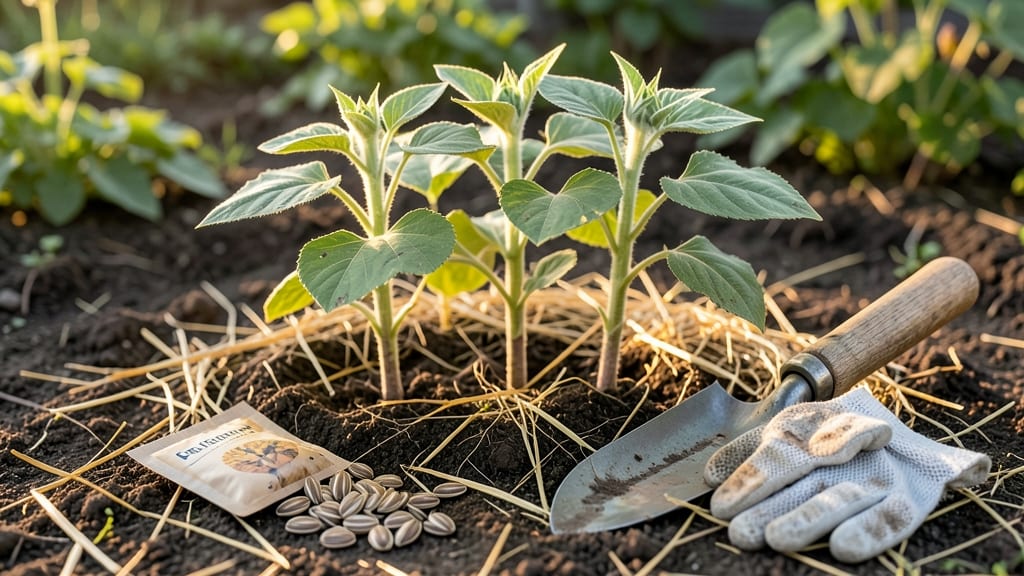
Planting sunflowers in Louisiana starts two weeks before your last frost date—typically in early March for Zone 8a and late February for Zone 9b—to give them a head start before the heat arrives.
Louisiana’s long, hot summers and unpredictable weather can make sunflower gardening tricky—but timing is everything for vibrant blooms and towering stems.
Whether you’re growing giant varieties for show or dwarf types for containers, the key is aligning your planting with soil warmth and avoiding early cold snaps that stunt growth.
Below, I’ll break down the exact months by region, how to adjust for microclimates, and whether transplanting or direct sowing works best for your garden’s conditions.
Louisiana sunflower planting calendar: best months by variety type
Louisiana’s sunflower varieties thrive with precise timing—whether you’re growing giant sunflowers for pollinator gardens or dwarf types for containers.
The state’s three climate zones (North, Central, South) shift frost dates and ideal planting windows. Giant varieties like 'Mammoth' need early starts, while dwarf types like 'Teddy Bear' tolerate late summer plantings. Oilseed varieties like 'Russian Giant' bridge both seasons.
Your last frost dates determine everything: Zone 8a (North) (Feb 15) vs. Zone 9b (South) (March 1).
Spring plantings should begin 4-6 weeks before your last frost, while fall plantings thrive in August-September for late blooms. Soil temperatures below 55°F delay germination, so wait until April for North Louisiana or March for Southern regions.
Here’s your Louisiana sunflower planting calendar by variety and zone, with exact month-by-month windows for maximum success:
For giant sunflowers in North Louisiana, aim for March 15-April 15 plantings—this gives them 100+ frost-free days to mature.
In Southern Louisiana (Zone 9b), you can push February 15 starts, but avoid planting before soil temps hit 55°F or seeds rot. Dwarf varieties like 'Little Becka' are far more flexible, tolerating late summer plantings (August-September) for fall color.
Pro tip: Oilseed sunflowers like 'Russian Giant' are heat-loving and perfect for Louisiana’s summers. Plant them
How to adjust sunflower planting for Louisiana’s microclimates and soil conditions
Louisiana’s diverse climate—from humid subtropical in the south to cooler uplands in the north—means sunflowers need tailored care. Urban heat islands, coastal salt spray, and heavy clay soils all demand adjustments to thrive.
In urban gardens, for example, concrete absorbs heat, raising soil temps faster than rural areas. Meanwhile, coastal regions face salt stress, while rural farms often battle compacted clay. Let’s break down how to adapt planting for each scenario.
⚠️ key takeaway ⚠️
🌱 Louisiana Sunflower Planting Adjustments
- Urban Areas: Start seeds indoors 3-4 weeks before last frost; use lightweight containers to prevent heat stress.
- Coastal Zones: Plant salt-tolerant varieties (e.g., 'Autumn Beauty') and flush soil with fresh water after storms.
- Rural Farms: Amend clay soil with compost and plant 1-2 months before last frost for deeper roots.
💡 Pro Tip: Test soil pH (aim for 6.0-7.5)—Louisiana’s clay often tests acidic.
For urban gardeners, container gardening is a lifesaver. Use 5-gallon pots with drainage holes to prevent root rot. Fill containers with a mix of potting soil and perlite to mimic well-draining conditions. Place pots near south-facing walls to maximize sunlight, but avoid reflective surfaces that overheat soil.
In coastal areas, salt spray can scorch sunflower leaves. Choose dwarf varieties like 'Teddy Bear' (3-4 ft tall) to reduce exposure. After tropical storms, rinse the soil with fresh water to leach out salt buildup. Mulch with straw to protect roots from wind and salt splash.
Rural gardeners with heavy clay soil should focus on drainage. Mix in 2-3 inches of compost or sand to break up compaction. Plant sunflowers in raised beds if possible, or create mounds of soil to elevate roots. Space plants 12-18 inches apart to allow airflow, reducing fungal risks.
Finally, fall planting works well in Louisiana’s mild winters. Sow seeds in late August for blooms before the first frost. Use row covers in late fall to extend the season. Avoid planting after October 15 in Zone 8a, as cooler temps slow germination.