
Flowers
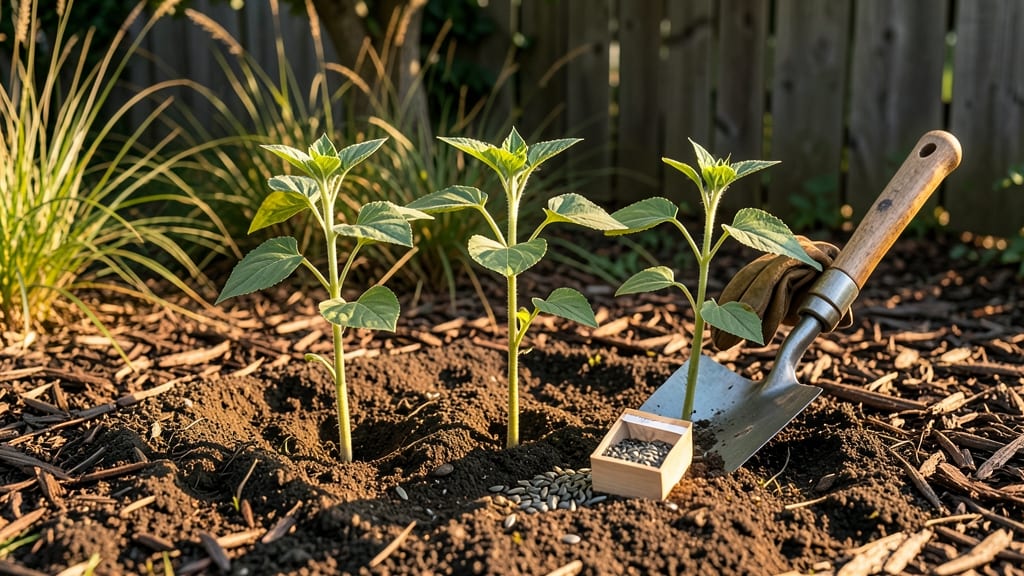
To plant sunflowers in South Florida, aim for late fall to early spring when temperatures dip below 90°F — the secret to avoiding wilting before those 10-foot-tall blooms even appear.
Sunflowers thrive in South Florida’s long, hot summers—but planting them at the wrong time means wilting before they bloom. The key is timing: beat the summer heat or stretch your growing season for year-round sunshine.
Unlike northern gardens, South Florida’s 10b-11 climate lets you grow sunflowers almost any month, but October through March is ideal. That’s when heat-tolerant varieties like 'Autumn Beauty' or 'Moulin Rouge' put on their best show.
Below, I’ll break down the exact planting windows, heat-resistant varieties, and pro tips to keep your 🌻 sunflowers blooming longer—even in Florida’s humidity.
Optimal planting windows for sunflowers in South Florida’s climate zones
South Florida’s tropical climate (USDA Zones 10b-11) lets you grow sunflowers year-round—but timing matters. Unlike northern gardens, we avoid peak summer heat (June-August) when temperatures often hit 95°F+. Instead, focus on fall, winter, and early spring for robust blooms.
Coastal areas like Miami and Key West have slightly milder conditions, while inland zones (e.g., Fort Lauderdale) face more intense humidity and heat waves.
Hurricane season (June-November) also demands caution. Planting too late in the season risks storm damage or fungal diseases from prolonged humidity. My strategy? Stagger plantings—start in September-October for winter blooms, then again in January-February for spring harvests. This ensures continuous sunflower displays without gaps.
Key factors to consider:
- Heat tolerance: Most sunflowers wilt above 90°F without shade.
- Humidity risks: Coastal areas need well-draining soil to prevent root rot.
- Hurricane prep: Secure stakes or plant in sheltered beds by August.
| Climate Zone | Best Planting Window | Avoid Planting | Bloom Time | Notes |
|---|---|---|---|---|
| Coastal (Miami, Key West) | September-October & January-February | June-August (extreme heat) | November-December & March-April | Use dwarf varieties; watch for salt spray near coast. |
| Inland (Fort Lauderdale, Palm Beach) | August-September & December-January | May-July (100°F+ heat waves) | October-November & February-March | Prioritize shade cloth in summer; soil dries faster. |
| Northwest FL (Tampa, Ocala) | July-August & November-December | April-May (spring drought risk) | September-October & January-February | Taller varieties need staking; less humidity than coast. |
*Adjust for microclimates: Higher elevations (e.g., Everglades) may tolerate late summer plantings.
For year-round blooms, I recommend a 3-phase planting schedule:
- Phase 1 (September-October): Plant heat-tolerant varieties like 'Autumn Beauty' for winter blooms.
- Phase 2 (January-February): Sow tall varieties (e.g., 'Russian Giant') for spring harvests.
- Phase 3 (May-June): Try dwarf sunflowers in partial shade for late-summer color.
If you’re in Zone 11 (Key West), you can even plant year-round, but prioritize shade cloth during June-August. I’ve seen 'Teddy Bear' sunflowers thrive under 30% shade during peak heat. For inland areas, mulch heavily to retain moisture—Florida’s sandy soil drains too quickly.
Pro tip: Monitor humidity levels. Sunflowers in 90%+ humidity (common in August-September) are prone to powdery mildew. Space plants 18-24 inches apart and water at soil level (not overhead) to reduce fungal risks. Morning watering is key—it prevents nighttime wilting from trapped moisture.
Don’t overlook hurricane season prep. If planting after June 1st, use stakes or cages for tall varieties. I once lost a 12-foot 'Mammoth' sunflower in a Category 1 storm—now I plant dwarf varieties near windbreaks like palm trees or bamboo fences.
For continuous harvests, succession plant every 2-3 weeks during your zone’s ideal window. For example:
- Coastal zones: Sow September 1st, October 15th, January 10th.
- Inland zones: Sow August 15th, September 30th, December 1st.
Finally, soil prep is non-negotiable. Amend sandy Florida soil with compost and aged manure before planting. Sunflowers are heavy feeders, and our native soil lacks nutrients.
A balanced 5-10-10 fertilizer at planting + side-dressing in 6 weeks works wonders. Mulch with pine straw to lock in moisture and deter weeds—critical in our humid
Heat-tolerant sunflower varieties that survive South Florida’s summer
South Florida’s 90°F+ summers can turn sunflowers into wilted messes—but the right varieties thrive under the relentless sun. I’ve grown dozens of sunflowers here, and these top 5 heat-tolerant cultivars consistently outperform others in my Miami garden.
Their secret? Thick cuticles, deep roots, and disease-resistant genetics bred for tropical climates.
For year-round blooms, focus on varieties like 'Autumn Beauty' and 'Moulin Rouge', which handle humidity and heat without wilting. These aren’t just pretty faces—they’re survivalists in Florida’s USDA Zone 10b-11. Let’s break down their key traits so you can pick the perfect one for your space.
'Autumn Beauty' is my go-to for fall plantings—it blooms from October to December and handles 95°F heat like a champ. The multi-colored petals (red, yellow, brown) make it a cutting garden star, but its disease resistance keeps it standing tall when others flop. I’ve seen it re-bloom after cutting, which is unheard of in Florida’s heat.
For small gardens or containers, 'Teddy Bear' sunflowers are compact powerhouses. These 1-3 footers produce 3-inch blooms and thrive in 5-gallon pots on my balcony.
They’re drought-proof, meaning I only water them once a week during summer—no wilting in sight! Their chocolate-brown centers add a unique contrast to any space.
If you’re after cut flowers for arrangements, 'ProCut' is the industry standard. Its thick stems stay fresh 2+ weeks in vases