
Flowers
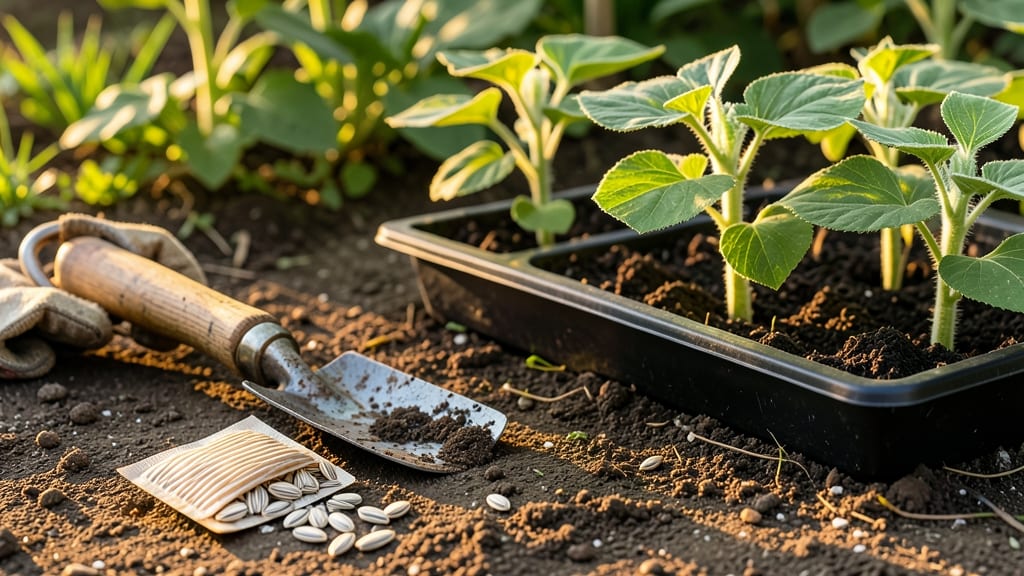
Planting sunflowers in Tennessee after the last frost date—typically late April to early June—sets the stage for towering 🌻 blooms that thrive in zones 6a-7b.
Sunflowers bring vibrant color and joy to Tennessee gardens—but planting them at the wrong time can mean wilted dreams before they even bloom. Timing is everything, and local frost dates vary dramatically across the state, from Nashville’s mild winters to East Tennessee’s chilly highlands.
Whether you’re in the humid West or the cooler Appalachian foothills, getting the timing right means choosing the best varieties for your microclimate and avoiding late frosts that can stunt growth.
I’ll walk you through the exact planting windows for your county, plus soil prep tips to give your sunflowers the best start.
You’ll discover how to extend your growing season with heat-tolerant varieties, protect seedlings from unexpected cold snaps, and even troubleshoot common mistakes Tennessee gardeners make. Let’s get those sunflowers standing tall!
Tennessee sunflower planting deadlines by county: avoid frost damage with exact timelines
Sunflowers thrive in Tennessee's USDA Zones 6a-7b, but frost dates vary wildly across regions. East Tennessee's high elevations can see last frosts in early May, while West Tennessee's flatter terrain often warms by mid-April.
Planting too early risks frost damage, while late starts may miss the 90-day flowering window before fall's first frost.
To maximize your sunflower's vibrant blooms, align planting with your county's last average frost date. Most Tennessee counties fall between April 15 and May 10, but microclimates—like sheltered valleys or urban heat islands—can shift this window by 1-2 weeks.
For heat-tolerant varieties, you can push planting to late May in most regions.
Pro Tip: Use a soil thermometer—sunflower seeds need 60°F+ soil to germinate. In cooler areas, wait until May 1 or risk slow growth. For extended harvests, stagger plantings every 2 weeks from April to June.
For East Tennessee counties like Sevier or Cocke, aim for May 15 planting to avoid late frosts.
These areas often see hard frosts until May 10, so row covers can buy you 2-3 extra weeks if you plant earlier. 'Autumn Beauty' sunflowers are ideal here—they tolerate cooler temps and still produce bold blooms by August.
In Middle Tennessee, including Nashville and Murfreesboro, you can start as early as late April in sheltered spots.
However, urban heat islands can create microclimates where soil warms faster—test with a soil thermometer before planting. 'Moulin Rouge', with its red-and-yellow bicolor flowers, thrives in this region's hot summers.
West Tennessee, including Memphis and Jackson, offers the earliest planting windows. By April 15, most areas are frost-free, and 'ProCut' sunflowers—bred for commercial cut flowers—perform exceptionally well here. For extended harvests, plant successive batches every 2 weeks through early June.
If you miss the primary planting window, don’t despair! Tennessee’s long growing season allows for late starts in June. Opt for dwarf varieties like 'Teddy Bear' (1-3 feet tall) or 'Moulin Rouge', which mature faster.
These heat-tolerant types can still bloom by late summer, adding color to your garden when other flowers fade.
Always check your local USDA frost map or use a frost calendar app for real-time updates. Tennessee’s unpredictable weather patterns mean a 2-week buffer is wise—especially in transition zones like Knoxville or Chattanooga, where frosts can linger into early May.
For maximum success, pair your planting timeline with proper soil prep. Sunflowers love
How to extend your sunflower growing season in Tennessee’s unpredictable climate
Tennessee’s unpredictable spring frosts and sweltering summer heat can challenge even the hardiest sunflowers. But with the right strategies, you can extend your growing season and enjoy towering blooms from early spring to late fall.
The key lies in frost protection, staggered planting, and selecting varieties that thrive in Tennessee’s climate extremes.
One of my go-to methods is using row covers for early plantings. These lightweight fabrics create a protective barrier while allowing sunlight and water to penetrate. I’ve seen 3-4 week extensions in my garden when using them during late April and early May plantings in USDA Zone 7a.
Combine this with mulching to regulate soil temperature and retain moisture—critical for sunflowers that struggle with Tennessee’s humidity spikes.
Another game-changer is staggered planting. Instead of planting all your seeds at once, I sow new batches every 2-3 weeks from late April through early June. This ensures continuous blooms throughout the season.
For example, my first planting in late April yields early summer flowers, while my June planting produces fall blooms that last until the first frost.
West TN: Mid-April
Middle TN: Late April
East TN: Early May
Late April - Early June
Soil temp: 50-60°F
Moulin Rouge (dwarf)
Russian Giant (tall)
Autumn Beauty (multi-colored)
For heat-resistant varieties, I recommend Moulin Rouge for smaller gardens or Russian Giant for dramatic height. These varieties handle Tennessee’s 90°F+ summers better than standard types. I’ve also had success with Autumn Beauty, which produces multi-colored blooms and thrives in both spring and fall plantings.
These varieties can tolerate up to 10 days of 95°F+ temperatures without significant stress.
Don’t overlook soil preparation as your secret weapon. Amend your garden beds with compost to improve drainage—critical in Tennessee’s clay-heavy soils. I mix in aged manure for extra nutrients, which helps sunflowers reach their full 6-14 foot potential.
After planting, maintain 1-2 inches of mulch around each plant to conserve moisture and suppress weeds, especially during our hot, dry summers.
When late summer arrives and temperatures climb, I switch to deep watering schedules—giving each plant 1-2 gallons in the early morning. This method prevents blossom drop and ensures your sunflowers continue growing even when Tennessee’s humidity hovers around 70%.
With these strategies, you can enjoy sunflowers from June through October, regardless of your county’s specific climate challenges.