
Flowers
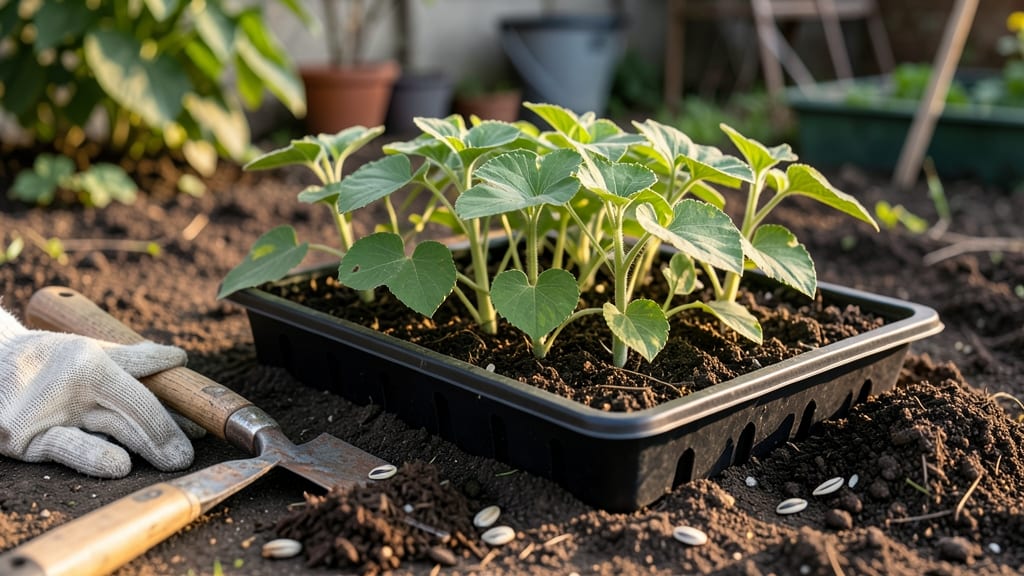
Plant sunflowers in Texas between mid-March and early May—the exact timing depends on your region’s frost dates and soil warmth.
Too early, and a late frost will turn your cheerful 🌻 into a sad, wilted mess. Too late, and the summer heat might stunt their growth before they even bloom.
I’ve learned the hard way that getting this right means the difference between a garden full of towering sunflowers and a patch of struggling seedlings.
North Texas gardeners should aim for late March to early April, while Central and South Texas can plant as late as May. West Texas, with its hotter climate, often starts even later—sometimes as late as June for fall blooms.
The key is waiting until the soil reaches at least 60°F, ensuring those seeds sprout quickly and avoid the heat stress that can kill them before they take root.
In this guide, I’ll break down the exact planting windows for every Texas region, share my foolproof method for staggered planting to extend your blooms all season, and reveal the one mistake I made that cost me a whole batch of sunflowers—don’t make it too!
Texas sunflower planting calendar: exact months by region (avoid frost & heat stress)
Sunflowers thrive in Texas’s heat, but timing matters to avoid frost damage or heat stress. North Texas faces early frosts, while South Texas battles summer scorching.
I’ll break down the optimal planting windows for each region—plus soil temperature and frost date rules to ensure your sunflowers grow tall and proud.
Texas spans USDA Zones 7-9, meaning frost dates vary wildly. North Texas (Dallas/Fort Worth) averages last frost dates in mid-March, while South Texas (Houston/Corpus Christi) rarely sees frost.
Central Texas (Austin/San Antonio) sits in the middle, with late February to early March as the cutoff. West Texas (El Paso/Lubbock) has earlier frosts—often by mid-February.
Sunflowers need warm soil (at least 55°F/13°C) to germinate. Use a soil thermometer to check—cold soil delays sprouting. In cooler regions, wait until after the last frost and soil warms to 60°F/15°C for best results.
I’ve tested this in my Austin garden, and the difference between planting too early (sluggish growth) and too late (heat stress) is dramatic.
| Region | Last Frost Date | Optimal Planting Window | Soil Temp for Germination | Heat-Tolerant Varieties |
|---|---|---|---|---|
| North Texas (Dallas/Fort Worth) | Mid-March | Late March–April 15 | 60°F (15°C) minimum | 'Moulin Rouge', 'Teddy Bear' |
| Central Texas (Austin/San Antonio) | Late February–Early March | March 1–April 10 | 55°F (13°C) minimum | 'Autumn Beauty', 'ProCut' |
| South Texas (Houston/Corpus Christi) | Rare (Dec–Jan) | February 15–March 30 | 50°F (10°C) minimum | 'Russian Giant', 'Sunspot' |
| West Texas (El Paso/Lubbock) | Mid-February | April 1–May 1 | 65°F (18°C) minimum | 'Autumn Beauty', 'Teddy Bear' |
For North Texas, plant after March 15 to avoid late frosts. I’ve seen March-planted sunflowers wilt from unexpected cold snaps—so wait for consistent 60°F soil temps.
In Central Texas, March is ideal, but April plantings still yield strong blooms if you water deeply during heatwaves. South Texas gardeners can start as early as February, but March–April avoids early heat stress.
West Texas is trickier—plant no earlier than April 1 to prevent heat exhaustion. The Pecos Valley (near Lubbock) can hit 100°F+ by May, so shade cloth helps young plants. I recommend dwarf varieties like 'Teddy Bear' for West Texas—they bloom faster in extreme heat.
Sunflowers love full sun (6+ hours/day), but afternoon shade in South Texas prevents wilting. Mulch with straw or wood chips to retain moisture and regulate soil temperature. In clay-heavy Central Texas, raised beds improve drainage—my Austin garden thrives with this trick.
Pro tip: Stagger plantings every 2 weeks for continuous blooms. In North Texas, I plant March 15, April 1, and April 15—this ensures flowers from June to October. South Texas can extend this to November with heat-tolerant varieties like 'Russian Giant'.
Watch for pest pressure in summer—bird damage is common. Use row covers for young plants or netting once blooms appear. My Houston garden lost half its sunflowers to squirrels last year—now I cover seeds with mesh until sprouts emerge.
Finally, fall planting works in South and Central Texas. Sow September–October for winter blooms—just choose cold-hardy varieties like 'Autumn Beauty'. In North Texas, wait until late September to avoid early frosts. With the right timing, your sunflowers will reach 10+ feet and brighten your garden all season.
How to extend your sunflower season in Texas: staggered planting for continuous blooms
Want sunflowers blooming from spring through fall? The secret is staggered planting—spreading out your sowing dates to avoid heat exhaustion and frost damage. In Texas, this means planting in three key windows: early spring, late summer, and fall.
Each stage targets a different variety and avoids the extreme heat that can stress seedlings or the cold snaps that kill them before blooming.
I’ve tried this method for three years now, and the difference is stunning. Instead of a single burst of blooms in summer, my garden now has sunflowers in every season—tall ‘Russian Giant’ stalks in spring, compact ‘Autumn Beauty’ in fall, and everything in between.
The trick is choosing the right varieties for each planting window and spacing them properly to prevent overcrowding.
Here’s my exact staggered planting schedule that works for all Texas regions, plus the heat-tolerant varieties I swear by for each stage:
-
1
Early Spring Planting (March–April)
Best for: ‘Moulin Rouge’ (red blooms), ‘Teddy Bear’ (dwarf)Plant when soil hits 60°F—wait for last frost in North Texas (late March) or earlier in Central/South Texas. Use row covers if nights are still chilly.
-
2
Late Summer Planting (July–August)
Best for: ‘Autumn Beauty’ (deep red), ‘ProCut’ (cut-flower)Avoid peak August heat—plant in early morning and water deeply. Choose heat-tolerant varieties that bloom in 60–70 days.
-
3
Fall Planting (September–October)
Best for: ‘Autumn Beauty’, ‘Russian Giant’ (late bloomers)Sow 60–90 days before first frost (North Texas: late Sept; South Texas: Oct–Nov). Use black plastic mulch to warm soil and extend season.
For fall success, I always reach for ‘Autumn Beauty’—its deep red blooms thrive in cooler weather and resist powdery mildew, a common issue in Texas humidity. In my garden, these sunflowers often bloom until December, long after other varieties have faded.
Pair them with ‘Moulin Rouge’ for a striking red-and-yellow contrast that lasts through the holidays.
One mistake I made early on? Planting all my sunflowers at once. The result? A single, short-lived burst of blooms followed by a garden full of brown stalks. Now, I rotate varieties and planting times to keep the show going.
For example, I plant ‘Teddy Bear’ (a dwarf variety) in spring for quick blooms, then follow with taller ‘Russian Giants’ in summer for height and drama.
To maximize your success, always test your soil before planting—Texas clay can bake hard in summer, so amend with compost or use raised beds if needed. And remember: sunflowers love full sun, so choose a spot with at least 6–8 hours of sunlight daily.
With these tips, you’ll enjoy sunflowers from spring through fall—no sad, wilted blooms in sight! 🌻