
Flowers
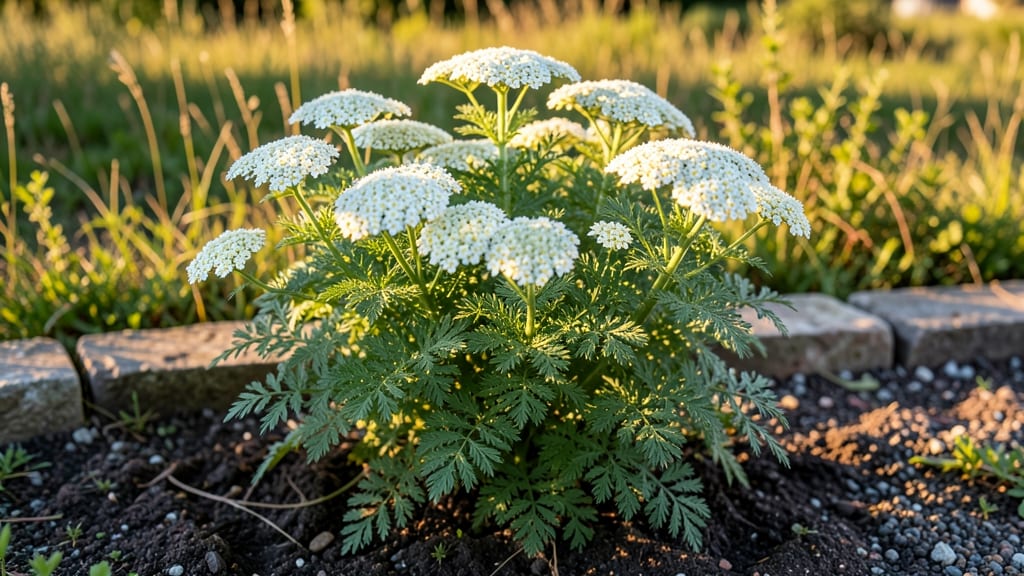
Yarrow flowers bloom in early summer, typically between June and September, turning your garden into a pollinator magnet with its feathery clusters.
If you’ve ever wondered why your yarrow plant seems to bloom at different times each year—or why your neighbor’s flowers appear months earlier—climate zone plays a far bigger role than most gardeners realize.
In cooler zones like 6a, where I garden, blooms often start in late June, while warmer regions may see yarrow flowering as early as May or stretching into October.
Here’s how to time your care for peak blooms, adjust for your zone, and even coax extra weeks of vibrant flowers from your 🌼 yarrow plants.
Yarrow flowering timeline by USDA climate zones: when to expect blooms
Yarrow (Achillea millefolium) is one of those hardy perennials that rewards patient gardeners with months-long blooms, but its timing varies dramatically depending on your USDA climate zone.
In cooler northern zones like Zone 3, expect delicate lavender blooms to appear as early as late May, while gardeners in Zone 9 might see their first flowers by March.
These differences aren't just about temperature—they're tied to daylight hours, soil warmth, and even first frost dates.
The key to understanding yarrow's flowering schedule lies in recognizing how chilling requirements and photoperiod sensitivity interact with your local climate. Yarrow typically needs 60-90 days of cool temperatures to trigger blooming, but once those conditions are met, longer daylight hours (14+ hours) push it into full flower.
This explains why Zone 5 gardeners often see peak blooms in July-August, while Zone 8 plants might stretch their display from May through September.
Here's where things get interesting: Regional microclimates can shift these timelines by 2-4 weeks. A Zone 7 garden in southern California might bloom 6 weeks earlier than one in Ohio due to milder winters and earlier spring warmth.
Even elevation changes within a single zone can delay blooms by 10-14 days at higher altitudes.
First frost dates also play a crucial role in determining how long your yarrow will continue flowering. In Zone 4, where frosts can arrive as early as mid-September, yarrow's blooms often taper off by late August unless you take steps to protect them.
Meanwhile, in Zone 9, where frosts may not come until December, you can enjoy continuous blooms if you deadhead regularly and provide light winter mulch.
One surprising factor affecting bloom timing is yarrow's response to pruning. If you cut back 30-50% of the foliage in early spring (just as new growth appears), you can delay flowering by 2-3 weeks and encourage larger, bushier plants.
This technique works particularly well in Zones 5-8, where gardeners often use it to synchronize blooms with other pollinator-friendly flowers like coneflowers and black-eyed Susans.
For gardeners in warmer climates (Zones 9-10), the challenge isn't avoiding frost—it's preventing heat stress that can cause blooms to bolt prematurely. Providing afternoon shade during summer's peak (July-August) can extend the flowering season by 4-6 weeks.
I've found that white or silver mulch works wonders in these zones to reflect sunlight and keep roots cooler.
Don't overlook how soil moisture affects timing either. Yarrow is famously drought-tolerant, but consistent moisture during its first growing season helps establish strong roots that lead to earlier and more abundant blo
How to adjust yarrow’s blooming schedule: pruning and care tips
Want to coax your yarrow into blooming earlier or extending its show? The secret lies in timely pruning and seasonal adjustments. Yarrow naturally blooms from June to September, but with the right care, you can shift that window by 2-4 weeks—or even longer in ideal conditions.
Start by understanding that yarrow’s flowering is triggered by daylight length and temperature. In cooler climates like Zone 6a, where I garden, blooms often begin in late June, while warmer zones may see flowers as early as May.
By adjusting care techniques, you can influence when—and how long—your yarrow puts on its vibrant display.
Here’s how to fine-tune your yarrow’s blooming schedule for maximum impact, using pruning, light, water, and soil strategies that work in any garden.
🌱 Key Timing Tips for Yarrow Blooms
- Early Blooms: Prune back 1/3 of foliage in late winter to stimulate new growth and push blooms forward by 2-3 weeks.
- Extended Blooms: Deadhead spent flowers every 10-14 days to encourage continuous blooming through September or October.
- Late Blooms: Reduce sunlight exposure to 4-6 hours/day in early summer to delay flowering until July-August.
- Soil Boost: Add compost or balanced fertilizer (5-10-10) in early spring to fuel stronger, longer-lasting blooms.
- Watering Trick: Water deeply once weekly in dry spells to prevent stress, which can shorten the bloom period.
One of the simplest ways to adjust yarrow’s blooming schedule is through deadheading. When you remove spent flower clusters—those that turn brown or wilt—you signal the plant to redirect energy into producing new blooms.
I’ve found that deadheading every 10-14 days can extend yarrow’s flowering season by 3-4 weeks, turning a one-month show into a two-month spectacle. Use clean, sharp pruning shears and cut just above a set of leaves to encourage bushier growth.
For gardeners in warmer climates (Zones 8-10), where yarrow often blooms as early as May, a light winter pruning can help reset the plant. Cut back 1/2 to 2/3 of the plant in late winter (just before new growth starts) to promote earlier and more abundant blooms.
This works because yarrow’s growth cycle is photoperiod-sensitive, meaning it responds to changes in daylight. By stimulating fresh growth early, you trick the plant into flowering sooner.
Light exposure is another powerful tool. Yarrow thrives in full sun (6+ hours/day), but if you want to delay blooming, reduce sunlight to 4-6 hours/day during early summer. This can push flowering back by 2-3 weeks, which is useful if you’re planning a late-summer garden theme.
Conversely, if your yarrow isn’t blooming at all, it might be getting too much shade—move it to a sunnier spot for better flower production.
Don’t overlook the role of soil and nutrients. Yarrow is drought-tolerant but benefits from well-draining soil rich in organic matter. Before the growing season, mix in compost or a balanced fertilizer (5-10-10) to provide the nutrients needed for strong stems and abundant blooms.
Avoid over-fertilizing, though—too much nitrogen can lead to leafy growth at the expense of flowers. A light feeding in early spring is usually enough to keep yarrow thriving.
Finally, watering habits can subtly influence bloom timing. While yarrow is drought-tolerant, consistent moisture (about 1 inch per week) during dry spells helps prevent stress, which can shorten the bloom period. Water deeply in the morning to reduce evaporation and fungal risks.
If your yarrow starts to look wilting or leggy, it’s signaling that it needs more water—or less, if the soil is soggy.
With these adjustments, you can fine-tune your yarrow’s blooming schedule to match your garden’s needs—whether you’re aiming for early summer color or a fall display. Experiment with one or two techniques at a time to see what works best in your climate. Happy gardening! 🌼