
Flowers
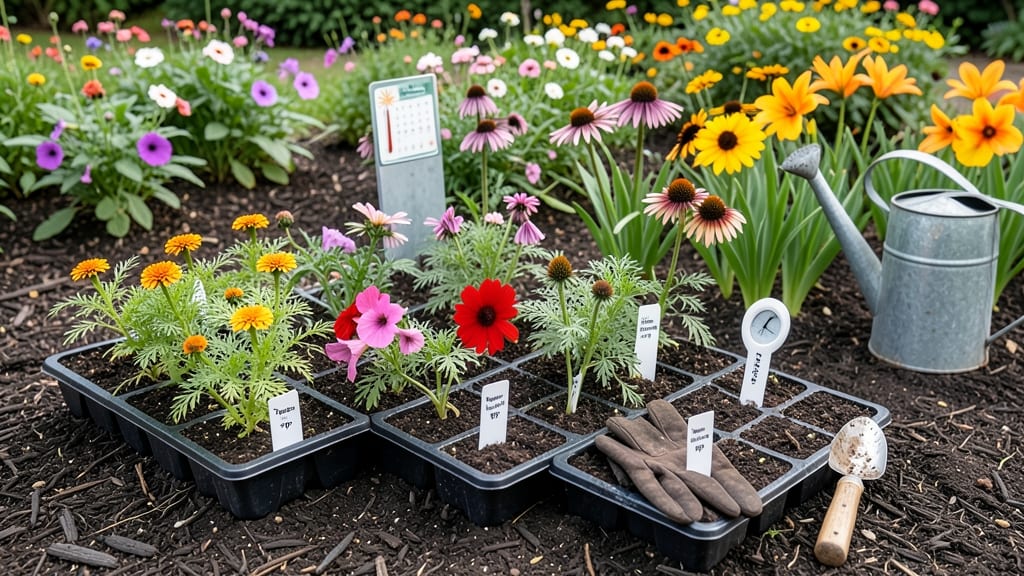
When is it safe to plant flowers in Missouri? After the last frost is the key to vibrant blooms 🌸 — aim for mid-April in most areas, but regional differences mean your neighbor’s timing might not work for you.
Missouri gardeners know timing is everything—plant too early, and frost will ruin your blooms; wait too long, and summer heat arrives before your flowers even sprout. But with the right last frost dates by region, you can transform guesswork into a thriving garden.
This guide breaks down exact planting windows for Missouri’s 5b-6b zones, from St. Louis to the Ozarks, so you know when to put those pansies and snapdragons in the ground without worrying about a late freeze.
You’ll also discover how to adjust for unpredictable weather, pick the best early-blooming varieties, and use soil prep tricks to give your flowers the perfect start—no more wasted seed packets or sad, stunted plants.
Missouri last frost dates by region: when to plant flowers safely in 2024
Timing your flower planting in Missouri can feel like a high-stakes game of chance—one wrong move, and frost zaps your tender seedlings. But armed with regional last frost dates, you can finally ditch the guesswork.
Missouri’s climate varies dramatically from the urban heat islands of St. Louis to the cooler Missouri River valleys in the northwest. Let’s break down the 2024 planting windows by region, using data from the University of Missouri Extension and historical averages.
Why does this matter? Annual flowers like petunias and marigolds need warm soil (at least 60°F) to thrive, while perennials like coneflowers can handle cooler temperatures. Planting too early risks frost damage, while waiting too late may mean your garden blooms in September instead of June.
The key is knowing your localized last frost date—not just the statewide average.
If you’re in St. Louis, you might be tempted to plant early—after all, the city’s urban heat island effect can push last frosts a few days earlier. But don’t rush! Check soil temperatures with a soil thermometer; most flowers need 60°F+ soil to germinate.
For Kansas City gardeners, late April frosts are common, so wait until May 1 for heat-loving annuals like geraniums.
In Columbia, the Ozark Plateau’s higher elevation means cooler nights. Start cold-hardy flowers like pansies or snapdragons indoors in March, then transplant after April 15. Meanwhile, Springfield’s Ozark foothills can have late-season frosts—even into early May—so play it safe and wait until May 10 for tender varieties.
Northwest Missouri, near the Missouri River, often sees the latest frosts in the state. If you’re in Atchison or Harrisonville, hold off until May 1 for most annuals.
For perennials like black-eyed Susans, you can plant as early as April 1, but protect them with frost cloth if nights dip below 32°F.
Pro tip: Use the Missouri Botanical Garden’s frost calendar or sign up for local weather alerts from the National Weather Service. They often update real-time frost predictions based on current conditions.
And remember, microclimates matter—a south-facing slope warms up faster than a north-facing yard, so adjust your planting dates accordingly.
Once you’ve nailed your last frost date, wait an extra 1-2 weeks before planting tender annuals. This buffer accounts for late frosts and gives your soil time to warm up.
For cold-hardy perennials, you can plant as early as March 15 in most regions, but always check the forecast for unseasonable cold snaps.
🌱
How to adjust planting dates for Missouri’s unpredictable weather patterns
Missouri’s weather is famously unpredictable—one week might bring a late frost in May, while the next delivers scorching heat by June. To protect your flower investments, I’ve learned to adjust planting dates based on microclimates and seasonal trends.
Urban areas like St. Louis often warm up faster than rural Ozark regions, so I always check local frost-free date averages before grabbing my trowel.
For annual flowers, I wait until soil temperatures hit 60°F or warmer—this usually aligns with late April in most of Missouri, but I’ve seen Northwest Missouri areas delay planting until early May.
Perennials, however, are more forgiving and can handle early spring planting as long as they’re mulched properly. The key is flexibility—having a backup plan for late frosts.
- 1. Use frost blankets for early plantings—cover tender flowers like petunias with lightweight fabric if nighttime temps drop below 32°F.
- 2. Plant cold-hardy varieties like pansies or calendulas 4-6 weeks before your last frost date—they’ll survive light freezes.
- 3. Adjust for elevation: Higher areas (like the Ozarks) may have 2-3 weeks later frost-free dates than flatland regions.
- 4. Monitor urban heat islands: Concrete-heavy areas (e.g., Kansas City) warm up 5-7 days faster than rural zones.
- 5. Start seeds indoors 6-8 weeks before your last frost date—this buys you extra time if spring stalls.
My go-to trick for extending the season is using row covers or cold frames—they let me plant marigolds or zinnias as early as mid-April in St. Louis, even if the forecast calls for frost.
I also keep a garden journal to track when my neighbors’ plants bloom—this helps me spot microclimate patterns in my own yard.
For late-season blooms, I focus on heat-tolerant varieties like cosmos or sunflowers, which thrive in Missouri’s summer heat. I’ve even planted black-eyed Susans in August with great success—they handle our humid summers beautifully. The secret? Deep watering and mulching to retain moisture.
One year, I planted dahlias too early in Columbia and lost them to frost—now I wait until May 15 as a rule. For container gardens, I move pots to sheltered spots at night during late spring and use heat-resistant fabrics to shield them from intense afternoon sun.
Remember: Missouri’s growing season isn’t just about dates—it’s about observation. Check your local agricultural extension office for updates, and don’t hesitate to push your planting window with the right tools. With these adjustments, your flower beds will bloom like clockwork—no matter what Mother Nature throws your way. 🌸