
Flowers
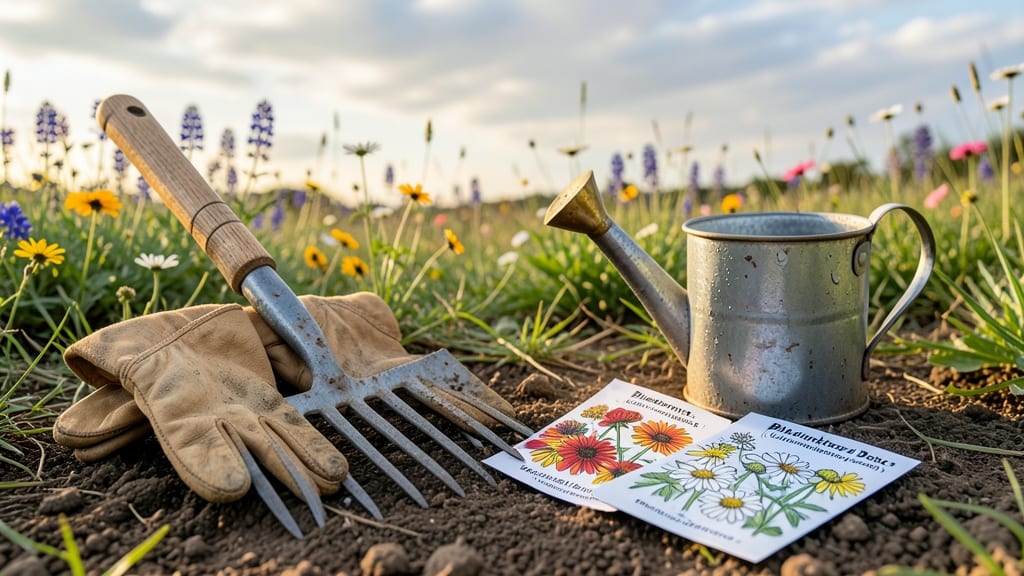
Planting flowers in North Texas at the right time means blooms from spring through fall—if you miss the window, you’ll end up with leggy seedlings or frost-nipped petals before they even open.
North Texas gardeners face a unique challenge: scorching summers, unpredictable freezes, and short growing seasons—but planting flowers at the perfect time can turn your yard into a blooming paradise year-round. Timing isn’t just luck; it’s science.
For Zone 8a, the best months to plant are September–November for fall blooms and February–April for spring, but some flowers—like heat-loving zinnias—can handle late spring starts. Get the exact calendar below, plus pro tips to stretch your season.
You’ll learn which flowers thrive in North Texas heat, how to prep soil for zero-frost success, and when to fertilize for longer blooms—no guesswork, just results.
North Texas flower planting calendar: exact months by frost Zone (7b-8a)
North Texas gardeners know the drill: last frost arrives between February 15–March 15, while the first frost typically hits November 1–15. These dates create a 210-day growing window—just enough time to coax vibrant blooms from annuals, perennials, and bulbs if you time it right.
The key? Planting cold-hardy varieties early and heat-loving flowers after the worst heat waves pass.
This calendar breaks down month-by-month planting for your USDA Zones 7b–8a, balancing spring bloomers like pansies and snapdragons with summer stars such as zinnias and salvias. Pro tip: Succession plant heat-tolerant annuals every 2–3 weeks in spring to avoid gaps in color.
📅 Key Dates to Mark:
- February 15–March 15: Last frost (plant cool-season annuals)
- April 1–May 15: Peak planting for spring bulbs and perennials
- June 1–July 15: Transplant heat-lovers after 100°F+ waves pass
- August 15–September 15: Start fall annuals for October–November blooms
- October 15–November 1: Last chance for bulbs and winter pansies