
Flowers
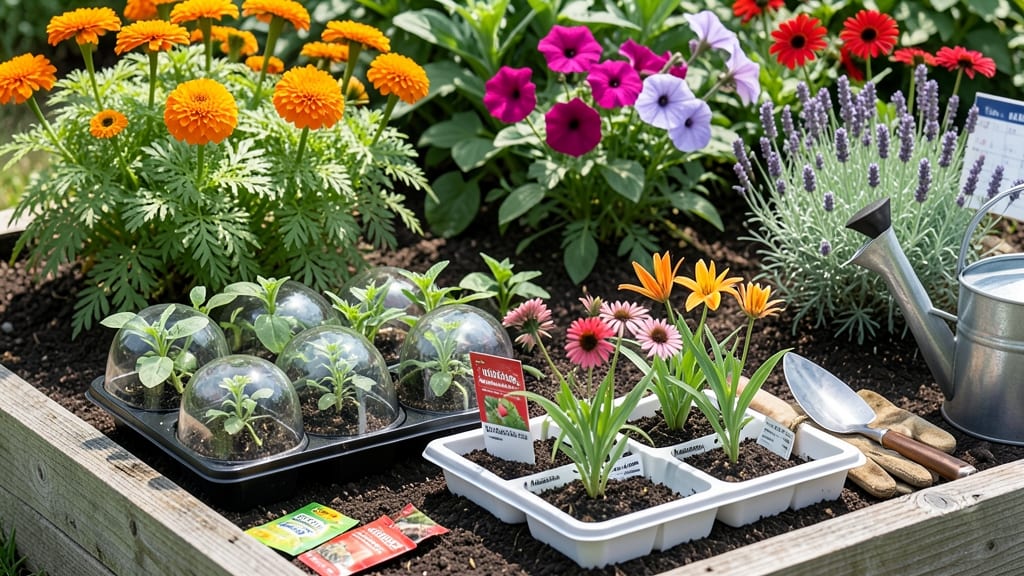
Should flowers be planted in spring or fall? The answer depends on your hardiness zone, flower type, and whether you want vibrant blooms all season long.
Timing your flower planting perfectly ensures vibrant blooms and healthy growth—but getting it wrong can leave you with wilted dreams and wasted seeds. Whether you're in Zone 6a or another region, knowing the ideal window for your specific flowers is the key to success.
Most annuals and tender perennials thrive when planted after the last frost, while cool-season flowers like pansies or snapdragons prefer a fall start. Bulbs, on the other hand, need a different approach entirely.
Below, I’ll break down the best times to plant by zone, season, and flower type—so you can avoid common mistakes and enjoy a garden that blooms beautifully year after year.
You’ll discover how to use a hardiness zone calculator, adjust for local microclimates, and even troubleshoot planting pitfalls. Ready to transform your garden? Let’s get started.
Best flower planting times by USDA hardiness Zones & seasonal conditions
Planting flowers at the right time ensures they thrive, bloom beautifully, and survive through seasons. The USDA Hardiness Zone Map divides the U.S. into 12 zones based on average minimum winter temperatures, but seasonal conditions like frost dates and soil warmth also play critical roles.
For example, cool-season flowers like pansies thrive when planted in early spring or fall, while warm-season favorites such as marigolds need to wait until after the last frost.
Understanding your zone helps narrow down the window, but local microclimates—like urban heat islands or sheltered valleys—can shift planting dates by 2-4 weeks. Always check your last frost date (typically 2-4 weeks before the average) and first frost date to avoid frost damage.
For instance, Zone 5a gardeners might plant spring bulbs in September, while Zone 9a can plant year-round with minimal frost risk.
Here’s how to align your planting with your zone, flower type, and seasonal cues for a stunning garden every season.
For annuals, timing depends on heat tolerance. Cool-season annuals like pansies and snapdragons should be planted 4-6 weeks before the last frost in Zones 1-7, while warm-season annuals like geraniums and cosmos thrive when soil temps reach 60°F (15°C), usually after April in Zones 5-8.
Perennials often have broader windows but benefit from fall planting in Zones 3-8, allowing roots to establish before winter. Bulbs like tulips and daffodils need 6-8 weeks in the ground before frost, so plant them in September-October in Zones 4-7.
In Zones 9-12, bulbs can go in November-December or even January for spring blooms.
Adjust for microclimates: A south-facing wall can warm soil by 5-10°F, letting you plant 2-3 weeks earlier. Conversely, low-lying areas may hold frost longer, delaying planting by 1-2 weeks. Always monitor soil temperature—use a soil thermometer to confirm readiness for warm-season plants.
In containers, timing shifts slightly. Potted flowers warm up faster, so you can plant 1-2 weeks earlier than in-ground. However, containers also dry out quicker, so water consistently after planting. For biennials like foxglove or hollyhock, sow seeds in late summer (Zones 3-7) to establish roots before winter.
Pro tip: Use row covers or cold frames in Zones 1-5 to extend the season by 3-4 weeks for heat-loving flowers. In Zones 10-12, shade cloth can protect delicate blooms from intense afternoon sun during peak summer months.
By aligning your planting with your
How to use a hardiness zone calculator to determine your planting window
Determining the perfect time to plant your flowers depends on your USDA hardiness zone and local climate patterns. A hardiness zone calculator simplifies this process by matching your location to specific planting windows, ensuring your blooms thrive from the first sprout to the last petal.
Without accurate zone data, you risk planting too early (and losing seedlings to frost) or too late (and missing peak bloom seasons). The calculator accounts for frost dates, soil temperatures, and even microclimates in your area, giving you precise guidance tailored to your garden’s needs.
Here’s how to use one effectively to pinpoint your ideal planting window:
Step-by-Step Guide to Finding Your Planting Window
- Step 1: Visit a trusted hardiness zone calculator like the USDA Plant Hardiness Zone Map or Missouri Botanical Garden’s Garden Gateway.
- Step 2: Enter your zip code or city/state to locate your exact USDA zone (e.g., Zone 6a or Zone 8b).
- Step 3: Note your average last frost date (spring) and first frost date (fall). These dates define your planting window.
- Step 4: Adjust for soil temperature. Most flower seeds need soil at 60°F (15°C) or warmer, while cool-season flowers tolerate 40°F (4°C).
- Step 5: Cross-reference with a planting calendar for your zone. For example, Zone 5 may plant annuals after May 15, while Zone 9 can start in February.
- Step 6: Account for local weather patterns. Check your area’s 10-year frost records—some years may have earlier/late frosts than the average.
Once you’ve identified your zone and frost dates, use these as your planting benchmarks. For example, in Zone 6a, plant cool-season flowers like pansies in early spring (March) or fall (September), while warm-season flowers like marigolds wait until after May 15.
Pro tip: Bookmark a free hardiness zone tool like the USDA Zone Finder or Garden.org’s Planting Date Calculator for quick access. These tools also adjust for container gardening, which can extend your planting window by 2-4 weeks in cooler zones.
With your zone and frost dates locked in, you’re ready to plan your flower schedule like a pro—no more guesswork, just vibrant blooms all season long! 🌸