
Flowers
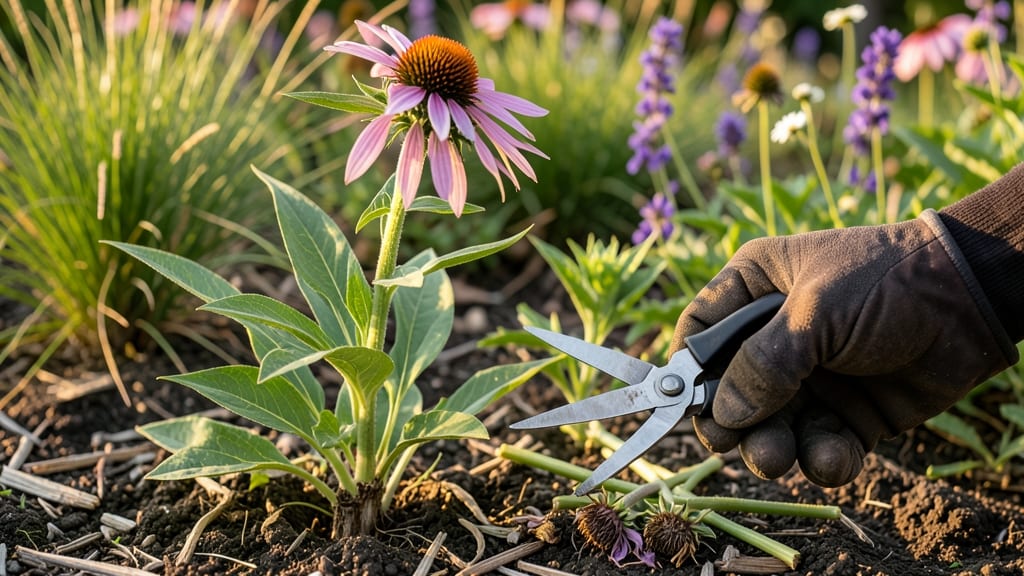
Cutting back coneflowers at the right time ensures vibrant blooms next season and keeps your garden healthy.
If you’ve ever hesitated to trim those woody stems in late winter, wondering whether you’re risking damage or missing the perfect moment, you’re not alone. The key is waiting until after the first hard frost—when the plants are dormant but before new growth begins.
In most regions, including USDA Zone 6a, the ideal window is late February to early March. This timing prevents disease, encourages fresh foliage, and sets the stage for a showstopping summer display of pink, purple, and white blooms.
Below, I’ll walk you through the exact steps, regional adjustments, and what to watch for to avoid common mistakes that can leave your 🌼 coneflowers struggling.
Best late-winter timing for cutting back coneflowers (with exact months)
Timing your coneflower pruning in late winter is one of the most critical steps to ensure vibrant summer blooms. The ideal window falls between February and March in most USDA hardiness zones 5-9, when plants are still dormant but ready to rebound.
Cutting too early risks exposing tender stems to late-winter freezes, while waiting too long delays new growth and weakens next year’s flowers.
Coneflowers (Echinacea) thrive when pruned before active growth resumes. Look for brown, papery seed heads and yellowing foliage as your cue—these signs confirm the plant has finished its dormant season.
In warmer climates (zones 8-9), you might start as early as late January, while colder regions (zones 3-5) should wait until mid-to-late March.
Why this timing matters: Pruning in late winter removes dead foliage that could harbor pests or diseases, while leaving enough green growth to fuel photosynthesis for spring. It also encourages bushier plants with more flower stems by stimulating lateral branching.
Here’s how to identify the perfect moment to prune:
- Check for dormant stems (no green shoots)
- Look for dry seed heads (brown and brittle)
- Ensure no new buds have formed yet 4.
Confirm soil temperatures are above 40°F (4°C) If you see green shoots or swollen buds, wait 2-3 weeks before trimming.
| Region | Best Pruning Window | Key Cues | Hardiness Zones |
|---|---|---|---|
| Northern US | Mid-to-late March | Brown seed heads, no green shoots | 3-5 |
| Mid-Atlantic | Late February–early March | Dry foliage, soil >45°F | 6-7 |
| Southern US | Late January–February | Mild winters, minimal frost | 8-9 |
| Pacific Northwest | March (after last frost) | Rainy but warming | 7-8 |
Pro tip: Use a sharp, sterilized pruner to cut stems back by one-third of their height. Avoid leaving stubs—always trim just above a leaf node or bud to encourage new growth. For overgrown coneflowers, you can prune in two stages: first in late winter, then again in early spring if needed.
If you’re in a transition zone (zone 6-7), pay close attention to weather forecasts. A 3-day warm spell above 50°F (10°C) is your signal to prune—this ensures no frost damage to fresh cuts.
In coastal areas, milder winters may allow pruning as early as January, but always wait until seed heads are fully dry.
After pruning, mulch around the base with 2-3 inches of organic mulch (like shredded bark) to insulate roots and retain moisture. This step is especially important in drought-prone areas, where coneflowers need consistent hydration to bounce back quickly.
Avoid piling mulch against stems, as this can cause rot.
One common mistake is pruning too aggressively in late winter, which can stress the plant before it’s ready to grow. Aim to remove only dead or damaged foliage—never cut into live green stems.
If your coneflowers look over-pruned after trimming, they’ll still recover with proper care, but expect smaller blooms that first year.
For container-grown coneflowers, late-winter pruning is even more critical since root space is limited. Trim back 1/3 of the plant’s height and repot if needed to refresh the soil.
Add a slow-release fertilizer to give roots a nutrient boost as they wake up. Containers also heat up faster in spring, so monitor soil moisture closely after pruning.
Remember: Coneflowers are tough and will forgive minor timing mistakes, but perfect pruning sets the stage for next year’s showstopping blooms. Mark your calendar for late February–March, and your garden will thank you with vibrant purple and pink flowers from mid-summer through fall.
What happens if you prune too early or too late (and how to fix mistakes)
Pruning your 🌼 coneflowers at the wrong time can turn a healthy plant into a struggling one. If you cut back too early—like in late fall—you risk exposing tender stems to winter frost, which can kill the plant before it enters dormancy.
On the flip side, waiting too long into spring delays new growth and leaves your garden looking tattered and unkempt.
Even experienced gardeners sometimes make these mistakes. The good news? Most pruning errors can be corrected with the right approach. Below, I’ll show you how to spot the signs of over-pruning or neglect and take action to revive your coneflowers.
⚠️ Critical Mistake: Cutting Back in Fall
Why it’s bad: Fall pruning removes protective foliage, leaving stems vulnerable to freeze damage and fungal infections. Coneflowers need their dormant leaves to insulate roots during winter.
How to fix it: If you’ve already pruned too early, stop cutting immediately. Wait until late winter (after the first hard frost) to trim back dead or damaged stems only. Avoid heavy pruning until February or March.
If you’ve waited too long into spring, your coneflowers may look leggy and sparse. This happens when old stems aren’t removed before new growth starts. The solution? Prune back woody stems by one-third in late winter, but leave healthy foliage to support photosynthesis.
For over-pruned plants, focus on recovery by applying a balanced fertilizer (10-10-10) in early spring. This gives your coneflowers the nutrients they need to bounce back. Water deeply but avoid overwatering, as soggy soil can stunt regrowth.
Another red flag is yellowing leaves or mushy stems—signs of disease from delayed pruning. In this case, remove affected stems immediately and sterilize your pruners with rubbing alcohol. Apply a fungicide if needed, and improve airflow around the plant by spacing it properly.
Remember, coneflowers are hardy perennials, so they’ll often recover from mistakes. The key is acting quickly and giving them the right conditions to rebound. With patience, your garden will be back to its vibrant, blooming best in no time.