
How To
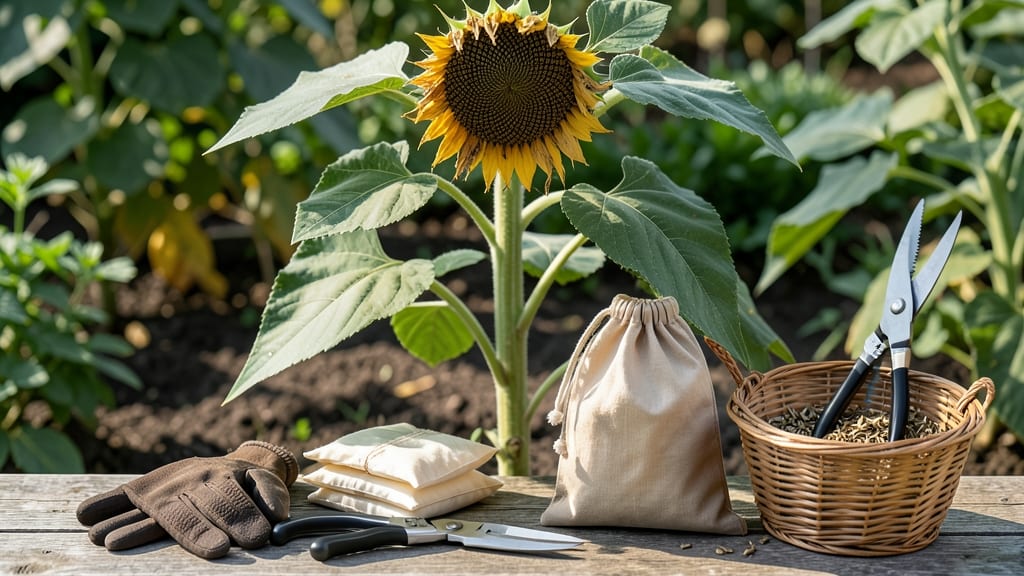
Harvesting sunflower seeds at the right time transforms your garden into a nutritious treasure trove—but timing is everything.
Picture this: you’ve nurtured your 🌻 sunflowers all season, watching them tower over your garden, only to miss the perfect moment to collect those golden seeds. One week too early, and you’re left with bitter, underdeveloped seeds.
Too late, and frost or birds beat you to them. The difference between a perfect harvest and wasted effort comes down to knowing exactly when those seeds are ready.
Here’s the secret: it’s not just about counting days—it’s about three visual cues that tell you, without a doubt, when your sunflower seeds are primed for picking.
From the color of the back of the seed head to the sound of a gentle shake, these signs will save you from the heartbreak of harvesting too soon (or too late).
In this guide, I’ll walk you through how to spot those cues, test seed ripeness the easy way, and avoid the costly mistakes that turn a great crop into a bust.
By the end, you’ll be harvesting seeds like a pro—ready to store them for months or share them with fellow gardeners.
3 Visual cues to identify perfectly ripe sunflower seeds
Harvesting sunflower seeds at the right moment transforms your garden into a nutrient-packed treasure chest. But how do you know when those seeds are perfectly ripe? The answer lies in three simple visual cues that reveal when your sunflowers are ready for harvest.
Ignoring these signs can lead to bitter, underdeveloped seeds or wasted effort.
Sunflowers mature at different rates depending on your USDA zone and variety, but these three visual indicators work universally. Mastering them ensures you'll enjoy crunchy, flavorful seeds that store beautifully for months. Let's explore what to look for before you reach for that pruner.
- 1 Seed Head Color Change: The back of the flower head transforms from green to golden brown. This color shift signals the seeds are fully developed and ready for harvest. Check the center where the seeds form - it should look dry and papery, not green or moist.
- 2 Petal Wilt and Fall: When 80-90% of petals have fallen off or wilted completely, your sunflower is signaling it's time to harvest. These petals protect the flower while it matures, and their departure is nature's way of saying, "I'm ready!" Don't wait until all petals are gone - that can mean the seeds are overripe.
- 3 Seed Head Firmness: Gently squeeze the seed head - it should feel dry and papery, almost like crumpling dry leaves. If it feels soft or spongy, the seeds need more time. Also, give it a gentle shake - you should hear seeds rattle inside. This confirms they're ready for harvest.
Let me show you how these cues work in practice. Imagine you're checking your sunflower plants in late summer. The flower head that was once vibrant green now shows golden brown streaks on the back.
This is your first clue that the seeds are maturing. Combine this with wilted petals and a dry, papery texture, and you've got a perfect storm of ripeness.
Timing is everything when it comes to sunflower seeds. Harvesting too early means underdeveloped, bitter seeds that won't store well. Waiting too long risks seed loss from birds or overripe seeds that crumble easily.
These visual cues help you strike that perfect balance between maturity and freshness for the best harvest possible.
Pro tip: Pay attention to the leaf color too. Healthy, dark green leaves indicate the plant still has energy to support seed development. If you notice yellowing leaves, it might be a sign your sunflower is struggling and the seeds won't reach their full potential.
This is especially important if you're growing in hot, dry climates where water stress can affect seed quality.
Remember that different sunflower varieties mature at slightly different rates. Dwarf varieties might show these ripeness signs a week or two earlier than tall, standard varieties. Always check the seed packet for specific maturity times, but use these visual cues as your final confirmation before harvesting.
Once you've identified these three visual cues, you're ready to harvest. But don't rush to store those seeds just yet - they need proper drying time to prevent mold.
After harvesting, spread the seed heads in a dry, well-ventilated area for about 1-2 weeks to complete the drying process before removing the seeds.
Mastering these visual cues will turn your sunflower harvest from hit-or-miss to consistently perfect. Soon, you'll be sharing jars of homemade sunflower seeds with neighbors, knowing you've followed the exact timing nature intended.
How to test sunflower seed ripeness: the squeeze method and beyond
Testing sunflower seed ripeness doesn't have to be a guessing game. The squeeze method is my go-to trick for confirming seeds are ready for harvest. When the seed head feels dry and papery—almost like crumpling a dry leaf—it's time to act.
This simple test saves me from harvesting too early and wasting perfectly good seeds.
But the squeeze test isn't the only clue. I also watch for the stem color turning from vibrant green to a straw-like brown. This change signals the plant is redirecting energy to seed maturation.
Combine this with the back-of-the-flower turning yellow, and you've got a foolproof system for perfect timing.
⚠️ Warning: Harvesting Too Late is Risky!
If you wait too long after the seed head turns brown, birds and squirrels will beat you to the harvest. Worse, moisture buildup from late-season rains can cause mold. Always harvest seeds within 3-5 days of full ripeness for best results.
The back-of-the-flower examination is another game-changer. When the disk florets (the tiny flowers in the center) turn from green to tan or brown, it's a clear sign seeds are ready.
I like to gently shake the head—if seeds rattle inside, they're perfect for harvesting. This method works even for giant sunflower varieties that can be tricky to judge from a distance.
For dwarf varieties, I pay extra attention to the petal wilting. When the bright yellow petals droop and fall, it's your final cue. At this stage, the seed moisture content drops significantly, making them ideal for storage.
I always harvest on a dry morning to prevent mold during the drying process.
Regional differences matter too. In cooler climates, seeds may ripen faster due to shorter growing seasons. I adjust my timeline by 2-3 weeks earlier in zones with early frosts. Conversely, in hot, dry regions, I monitor seed heads more frequently since they can dry out quicker.
Pro tip: Cut the seed head with at least 3-4 inches of stem attached. This makes hanging them upside-down for drying much easier. Once dried completely (about 2-3 weeks in a dark, dry place), simply rub the seeds free from the head.
Store them in airtight containers for up to a year.