
Companion Plants
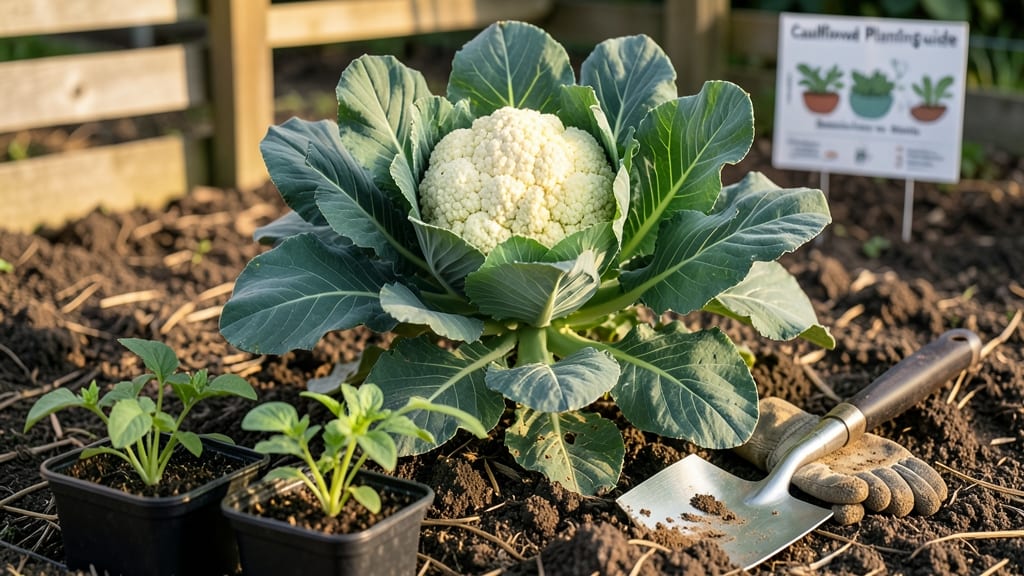
Planting cauliflower in Pennsylvania at the right time means the difference between a bountiful harvest and struggling with frost or heat stress.
Pennsylvania gardeners know timing is everything—plant too early and risk frost damage, too late and miss peak harvests. But with 69 counties and varying hardiness zones, figuring out the perfect window can feel overwhelming.
Spring planting should start 4-6 weeks before your last frost date, typically between late March and early April in most of the state. For fall harvests, aim for August to early September to ensure mature heads before winter sets in.
Below, I break down the exact frost-date cheat sheet by county heat zones, soil temperature thresholds, and how to adjust for early vs. late varieties—so you can grow healthy, head-ready cauliflower every season.
Pennsylvania cauliflower planting calendar by hardiness Zone (USDA 4a-7a)
Pennsylvania's diverse climate—from Erie's cold lakeside breezes to Philadelphia's humid summers—means your cauliflower planting window depends heavily on your USDA zone and county. In Zone 4a (e.g., Pittsburgh), frost lingers until mid-May, while Zone 7a (e.g., Reading) enjoys frost-free soil by mid-April.
The key is aligning your transplant dates with soil temperatures above 50°F and avoiding late-spring heatwaves that trigger bolting.
For spring cauliflower, start seeds indoors 6-8 weeks before your last frost date. In Zone 5b-6a (most of PA), that’s mid-March to early April. Transplant seedlings outdoors 4-6 weeks before the last frost—typically late April to early May.
Cold-hardy varieties like 'Snowball Y Improve' thrive in cooler temps, while 'Purple of Sicily' handles Zone 7a's heat better. Fall plantings require even more precision: seeds indoors by mid-July and transplants by early August to harvest before frost.
Here’s your county-specific cheat sheet for Pennsylvania cauliflower planting, broken down by USDA zone and key frost dates:
In Zone 4a, like Erie County, I recommend using row covers to extend your spring season. Plant 'Snowball Y Improve' under floating row covers as early as mid-April to jumpstart growth.
For Zone 7a, like parts of Lehigh Valley, focus on fall plantings—seeds indoors by mid-June and transplants by late July to avoid summer bolting. The 'Graffiti' variety, with its colorful leaves, is a great choice for heat-tolerant gardens.
Pro tip: Use soil thermometers to confirm 50°F+ soil temps before transplanting. In Zone 5b-6a, I’ve had success with succession planting—sow a second batch of seeds 2 weeks after the first transplant to stagger harvests.
For fall crops, aim to harvest before first frost, which in Philadelphia typically hits October 15–20. If you’re in Zone 4a, prioritize early-maturing varieties like 'Early Snowball' to beat the clock.
Don’t forget to harden off seedlings for 7–10 days before transplanting, especially in windy zones like Erie. Acclimate plants to outdoor conditions by placing them in partial shade during the day and bringing them in at night. This reduces transplant shock and gives your cauliflower a stronger
How to adjust planting dates for early vs. late varieties in PA
Choosing the right cauliflower variety and planting time in Pennsylvania means balancing 60-day quick harvests with 90-day robust yields. Early varieties like 'Snowball Y' mature faster but need precise timing to avoid bolting, while late varieties like 'Purple of Sicily' handle heat better but require earlier starts.
The key? Soil temperatures must reach 50°F minimum for germination—any cooler and seeds rot.
For spring planting, aim to transplant 4-6 weeks before your last frost date (typically mid-April in most of PA). In USDA Zone 5b-6a, this means late March for early varieties and early April for late ones.
If you're in Zone 4a (like Erie), wait until soil warms to 55°F—usually late April—to avoid frost damage to tender seedlings.
Here’s the trade-off: 60-day varieties give you a faster harvest but bolt faster in heat, while 90-day varieties withstand summer better but risk frost before maturity if planted too late. The solution? Succession planting—start early varieties first, then follow with late ones 2-3 weeks later to stagger harvests.
Early Varieties (60 Days)
- Faster harvest (60-70 days)
- Good for short seasons
- Ideal for spring planting
- Bolts in heat (>75°F)
- Smaller heads
- Requires precise timing
Late Varieties (90 Days)
- Larger, hardier heads
- Tolerates summer heat
- Better for fall harvests
- Longer growing season (90+ days)
- Risk of frost before maturity
- Needs earlier start
To extend your growing season, use row covers or cold frames for early planting. These protect seedlings from late frosts and can push your planting window 2-3 weeks earlier.
For example, in Pittsburgh (Zone 6a), you might start seeds indoors in early March under a cold frame, then transplant in late March—giving you a head start on the season.
Watch for bolting risks in summer. If temperatures climb above 75°F for more than a week, your early varieties will bolt (send up a flower stalk) and become bitter.
To prevent this, plant shade cloth over seedlings or choose heat-tolerant varieties like 'Cheddar' for late summer. Mulch heavily to keep soil cool and retain moisture during heatwaves.
For fall planting, aim to transplant 10-12 weeks before your first frost (mid-October in most of PA). This means starting seeds indoors in early August for late varieties. Use black plastic mulch to warm soil faster and speed up germination.
In Zone 7a (like Philadelphia), you can even try a second fall crop by planting in late July for a late October harvest.