
Plants
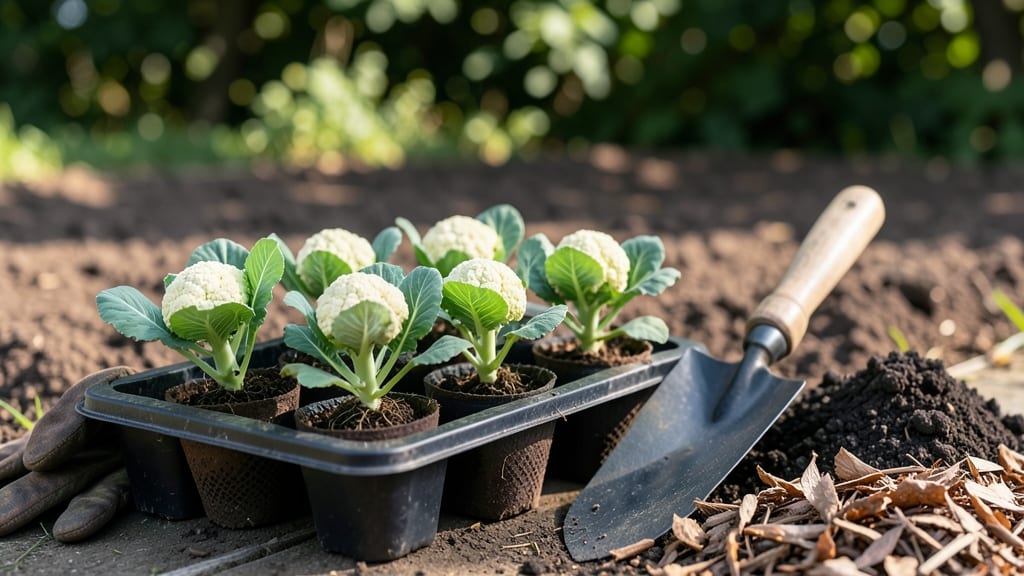
Planting cauliflower in Zone 7 at the right time means the difference between a tight, snow-white head and a bitter, bolted mess—here’s how to nail the timing for your climate.
Cauliflower 🥬 loves cool weather but wilts under heat, which is why spring and fall are your only shots. In Zone 7, planting too early risks frost damage, while planting too late sends it into a panic and bolting—neither ends with dinner on the table.
Most gardeners in Zone 7 aim for March to early April for spring harvests or late August to early September for fall crops.
But coastal areas (like Virginia Beach) can push spring planting back a week or two, while inland spots (like Nashville) need to start earlier to beat the heat.
Below, I break down the exact dates, soil prep tricks, and how to stretch your growing season with row covers—so you can go from seed to harvest without the guesswork.
Best planting dates for cauliflower in Zone 7 by season
Timing is everything when growing cauliflower in Zone 7, where summer heat can cause plants to bolt prematurely. The key is planting during cool-season windows—either early spring or late summer—when temperatures stay between 50°F and 75°F.
Missing these windows often results in bitter, loose heads or wasted effort.
For most of Zone 7, the last frost date typically falls around April 15, while the first frost arrives by October 15. These dates create a 180-day frost-free window, perfect for two harvests per year if you plan carefully.
Let’s break down the exact planting schedule for each season.
| Season | Planting Window | Soil Temp Requirement | Days to Harvest | Key Notes |
|---|---|---|---|---|
| Spring | March 15 – April 15 | 45°F – 60°F | 70 – 90 days | Plant 4–6 weeks before last frost; avoid transplanting when soil is cold. |
| Fall | August 1 – September 1 | 50°F – 65°F | 60 – 80 days | Start seeds 8–10 weeks before first frost; use row covers for late starts. |
| Summer (Risky) | June – July | N/A (Bolt risk) | N/A | Avoid summer planting; heat stress causes bolting. Use shade cloth if attempting. |
Spring planting is the most reliable approach in Zone 7. Start seeds indoors 6–8 weeks before your last frost date (around February 15 for most areas) to give seedlings a head start. Transplant outdoors once soil temperatures reach 45°F and nighttime temps stay above 40°F.
For a fall harvest, focus on late summer planting. Sow seeds directly in the garden August 1–15 for a harvest before winter sets in. If you miss this window, consider using row covers to extend the season by 2–4 weeks, protecting plants from early frosts.
Adjust your planting dates based on your local microclimate. Coastal areas in Zone 7 (like parts of North Carolina) may have warmer winters and cooler summers, allowing for slightly later spring plantings or earlier fall starts.
Inland regions (like central Virginia) face more extreme temperature swings, so err on the earlier side.
Always test your soil temperature before planting. Use a soil thermometer to confirm it’s at least 45°F—cold soil slows germination and stunts growth. Amend your soil with compost or well-rotted manure to improve fertility, as cauliflower is a heavy feeder.
One common mistake is planting too late in spring or too early in fall. If you transplant cauliflower seedlings in May, they’ll bolt by June due to rising temperatures.
Similarly, starting seeds in September won’t mature before frost. Stick to the 4–6 week rule before your frost dates for success.
Pro tip: Use shade cloth (30–50% shade) during hot afternoons in spring or fall to protect young plants from heat stress. This simple trick can improve head formation and reduce bolting risk.
Finally, always monitor your plants for signs of stress, like yellowing leaves or premature flowering. If you notice these, adjust your watering or provide temporary shade immediately. With the right timing, you’ll enjoy crisp, flavorful cauliflower heads twice a year in Zone 7!
How to adjust planting for early or late harvests in Zone 7
If you want to squeeze extra harvests out of your Zone 7 garden, succession planting and season extension tools are your best friends.
Cauliflower thrives in cool weather, so planting too close to summer’s heat will trigger bolting—where the plant sends up a flower stalk instead of forming a head. The key is to time your plantings so the heads mature before temperatures hit 80°F (27°C) consistently.
For early harvests, start seeds indoors 8–10 weeks before your last frost date (around February 15–March 1 in Zone 7). Transplant seedlings outdoors 4–6 weeks before the last frost—this gives you a head start on the season.
Use black plastic mulch to warm the soil faster and deter weeds, which helps young plants establish before summer’s heat arrives.
For late harvests, your window is tight but doable. Plant seeds directly outdoors in late July to early August (about 10–12 weeks before your first frost). Choose bolt-resistant varieties like ‘Snowball Y Improved’ or ‘Purple of Sicily’—these handle heat better than standard types.
If you’re in a cooler microclimate (like the mountains of Virginia), you might push this back to mid-August.
⚠️ WARNING: Heatwave Risks Planting cauliflower too late in Zone 7 can backfire. Even a single week of 90°F+ (32°C+) weather can send your plants bolting, ruining your harvest. If you’re planting in late summer, use shade cloth (30–50%) to protect seedlings from intense afternoon sun.
Avoid overhead watering during heatwaves—drip irrigation at the base keeps roots cool and prevents fungal issues. Monitor soil moisture closely; cauliflower wilts fast in heat but recovers poorly.
To extend your growing season, try row covers (lightweight fabric) over young plants. These trap heat at night and shield crops from early frost or late-season heat spikes. Remove covers during the day if temperatures exceed 85°F (29°C) to avoid overheating.
For fall crops, pair row covers with cold frames to push harvests into November—just be sure to vent them on mild days to prevent condensation-related diseases.
Succession planting is another smart move. Instead of one big planting, sow small batches every 2–3 weeks in spring (starting in mid-March) and fall (ending in mid-August). This ensures a steady supply of fresh heads and reduces the risk of losing your entire crop to a single heatwave or pest outbreak. For example, plant half your seeds in early April and the rest in mid-April—this way, if one batch bolts, the other may still thrive.
Finally, watch for pests during extended seasons. Cabbage worms and aphids love stressed cauliflower plants, especially in heat. Use neem oil sprays or row covers as a preventative measure.
If you notice yellowing leaves or holes in the heads, act fast—these pests spread quickly in warm weather. A weekly inspection keeps minor issues from becoming major problems.