
Flowers
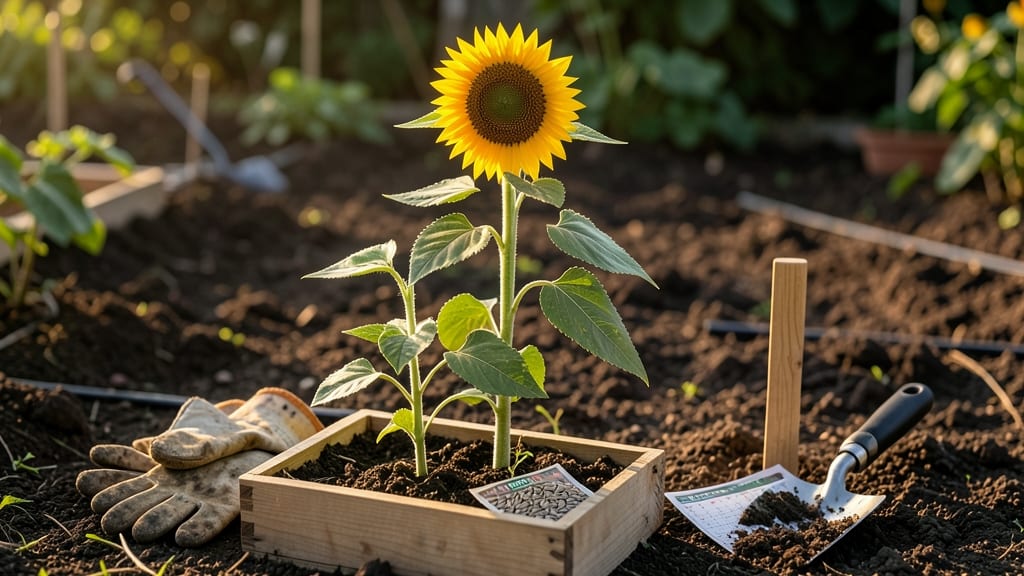
Planting sunflowers in North Carolina at the right time means the difference between towering blooms and sad, stunted stems.
Sunflowers aren’t just cheerful additions to your garden—they thrive best when planted at the perfect time in North Carolina’s unpredictable climate. Get it wrong, and you risk stunted growth or frost damage; get it right, and you’ll enjoy towering blooms that attract pollinators and brighten your landscape all summer long.
With USDA zones ranging from 6a to 8b, North Carolina’s frost dates vary wildly—from mid-March in the coast to mid-April in the mountains.
That means your planting window could stretch from late March in Zone 8b to early June in Zone 6a, but timing is everything for those 🌻 giants.
In this guide, I’ll break down the exact frost-free deadlines by county heat zone, share tricks to extend your growing season, and help you avoid the three biggest mistakes that ruin sunflower growth in NC gardens.
North Carolina sunflower planting calendar by heat Zone & last frost dates
North Carolina’s diverse climate means sunflower planting times vary dramatically from the mountains of Asheville (Zone 6a) to the coastal warmth of Wilmington (Zone 8b). Timing your direct sowing or transplanting after the last frost ensures robust growth and avoids frost damage to tender seedlings.
Let’s break down the optimal planting windows for each heat zone, including adjustments for microclimates like urban heat islands or sheltered valleys.
Sunflowers are annuals in NC, meaning they complete their life cycle in one growing season. Their frost-free period typically spans 180 days, but this shrinks in cooler zones. For example, Zone 6a (Asheville) has just 150 frost-free days, while Zone 8b (Wilmington) enjoys 240 days.
Planting too early in cooler zones risks frost damage, while late starts in warm zones may lead to bolting before full maturity.
Here’s your county-specific planting calendar, including last frost dates and ideal transplanting windows for sunflowers across NC’s heat zones. Adjust for microclimates by waiting 1-2 weeks longer in valleys or 1 week earlier in urban heat pockets.
| Heat Zone | Last Frost Date | Direct Sowing Window | Transplant Window | County Examples | Microclimate Adjustments |
|---|---|---|---|---|---|
| Zone 5A | April 15 | May 1 - June 1 | April 20 - May 10 (start indoors) | Haywood, Mitchell | Wait 2 weeks in valleys |
| Zone 6A | April 1 | April 20 - May 15 | April 10 - April 30 | Asheville, Boone | Urban areas: plant 1 week early |
| Zone 6B | March 25 | April 10 - May 10 | March 20 - April 15 | Raleigh, Greensboro | Sheltered gardens: extend window 1 week |
| Zone 7A | March 15 | March 20 - April 30 | March 1 - March 20 | Durham, Chapel Hill | Coastal plains: plant 1 week later |
| Zone 7B | March 1 | March 10 - April 20 | February 25 - March 15 | Fayetteville, Goldsboro | Urban heat islands: plant 2 weeks early |
| Zone 8A | February 15 | February 20 - March 30 | February 1 - February 15 | Wilmington, Morehead City | Coastal breezes: wait until March |
| Zone 8B | January 31 | January 20 - March 15 | January 15 - February 10 | Savannah (GA border), Hatteras | Sandy soil: water deeply after planting |
In Zone 5A, like Haywood County, wait until May 1 for direct sowing to avoid late frosts. Start transplants indoors by April 20 and harden them off before moving outdoors.
For Zone 8B areas like Wilmington, you can begin sowing as early as January 20, but monitor soil temperatures—sunflowers need soil at 55°F+ to germinate properly.
For mountain regions (Zones 5A-6A), like Asheville, use row covers to extend your season and protect early seedlings. In coastal zones (Zones 7B-8B), such as Wilmington, watch for salt spray near
How to extend your sunflower growing season in North Carolina’s short summers
North Carolina’s short growing season can feel like a race against time for sunflowers, but with the right strategies, you can enjoy those bright blooms from early summer through fall. The key lies in succession planting, selecting cold-hardy varieties, and using protective tools to extend your window.
Even in Zone 6a where summers feel fleeting, you can coax an extra 4-6 weeks of growth with these proven techniques.
Sunflowers are fast growers, but they need warmth to thrive. Planting too early risks frost damage, while waiting too long cuts your bloom time short. The sweet spot?
Start seeds indoors 4-6 weeks before your last frost date or use row covers for outdoor sowing as early as late March in Zone 8b. For mountain regions like Asheville, aim for mid-April to avoid late frosts that can kill tender seedlings.
🌱 5 Proven Ways to Extend Your Sunflower Season
- Succession Planting: Sow seeds every 2-3 weeks from April to June for continuous blooms. Start with dwarf varieties (like 'Teddy Bear') for earlier harvests.
- Cold-Hardy Varieties: Choose 'Moulin Rouge' (red blooms) or 'Autumn Beauty'—both tolerate cooler temps better than standard types.
- Row Covers: Use lightweight fabric to protect seedlings until soil reaches 55°F. Remove when plants are 4-6 inches tall.
- Late-Summer Varieties: Plant 'Russian Giant' in early July for fall blooms. These mature faster in warm soil.
- Frost Watch: Monitor forecasts and use black plastic mulch to warm soil 2-3°F faster, giving plants a head start.
Planting too early is risky—sunflowers won’t germinate below 50°F, and seedlings can rot in cold, wet soil. A common mistake is sowing in March in Zone 7a without protection; I’ve seen entire batches fail this way.
Instead, use biodegradable pots for indoor starts or wait until soil temps stabilize. For late plantings, aim no later than early June—any later, and you’ll miss the 70-90 day growth window needed for full-size blooms.
Row covers are my secret weapon for extending the season. I’ve used them to start sunflowers 3 weeks earlier than usual in my Zone 6b garden. Simply drape the fabric over seedlings and secure with bricks or stakes.
Remove when plants are 6 inches tall to prevent overheating. This trick works especially well for succession plantings—plant a new batch every 2 weeks and enjoy blooms from July through October.
For late-season blooms, turn to short-day varieties like 'Autumn Beauty,' which flower faster in cooler temps. I planted these in early August last year and still got 8-foot stalks by October.
Pair them with dwarf varieties for a layered look. Just remember: sunflowers need 6+ hours of sun daily, so choose a south-facing spot with no shade from trees or fences.
Extend your sunflower season without stress by combining these strategies. Start with cold-hardy varieties, use row covers for early starts, and plant succession batches every 2 weeks. With these tricks, you’ll turn North Carolina’s short summers into a sunflower bonanza that lasts all season long. 🌻