
Plants
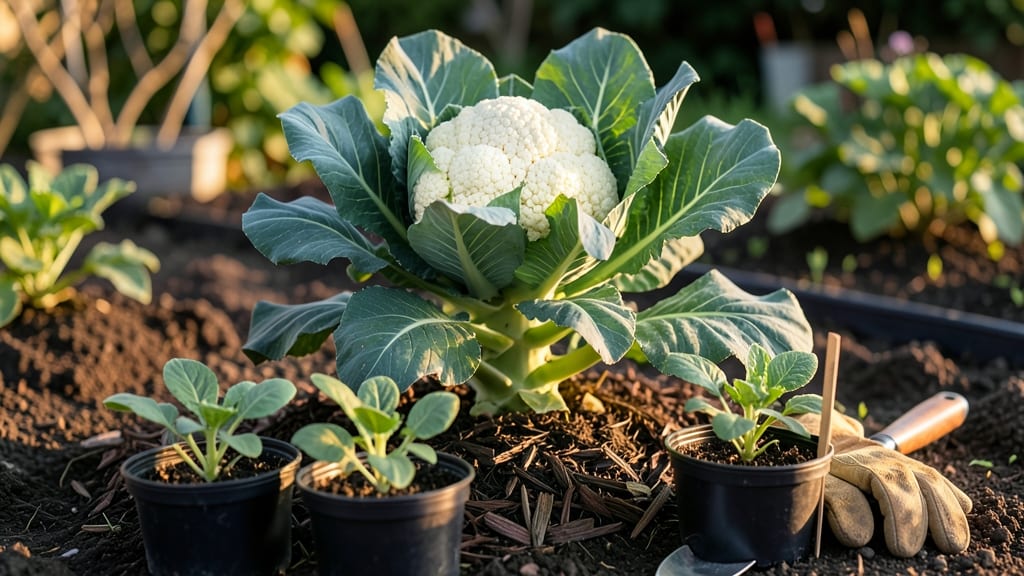
Planting cauliflower in Zone 9b at the right time prevents bolting and ensures a reliable harvest—and the window is narrower than you think.
Picture this: you’ve prepped the soil, ordered your seeds, and then the heat hits. Suddenly, your 🥬 heads turn bitter or flower before they’re ready. That’s why timing isn’t just about dates—it’s about temperature thresholds, frost risks, and even the time of day you plant.
In Zone 9b (think Phoenix or the Southern California desert), the sweet spot is late October through early November for winter crops.
But here’s the catch: if you plant too early, the summer heat will stress the seedlings; too late, and you miss the frost-free window that keeps them growing steadily.
Below, I’ll break down the exact planting calendar, how to adjust for heat waves, and which varieties hold up best in your climate—so you can avoid the common mistakes that waste months of effort.
Zone 9b cauliflower planting calendar: exact dates to avoid bolting
Cauliflower thrives in cool-season conditions, but Zone 9b’s warm winters and hot summers make timing critical. Plant too early, and your plants bolt (flower prematurely); too late, and you miss harvests.
The key is aligning your planting with temperature thresholds—aim for 50-70°F soil temps and daytime highs below 75°F.
In Zone 9b, your best planting windows are late fall (October-November) for winter harvests and early spring (February) if you use shade cloth. Summer planting is risky unless you have heavy shade—cauliflower bolts when days exceed 80°F for more than 2 weeks.
Let’s break down the exact dates and conditions for each season.
⚠️ PRO TIP: Use a soil thermometer to confirm temps before planting. Cauliflower roots thrive in 55-65°F soil—any warmer, and germination slows or fails.
Your primary planting window in Zone 9b is late October through early November. This aligns with cooling temperatures, giving plants 60-80 days to mature before summer heat arrives.
For example, if you plant on October 25, aim for a March 15 harvest—just as daytime highs begin creeping toward 80°F.
For spring planting, target late January to early February when soil temps drop below 70°F. This window works best for heat-tolerant varieties like Snowball Y Improved, which can handle brief heat spikes. Pair this with 50% shade cloth to extend the season into May.
Zone 9b’s frost-free period spans 275 days, but cauliflower’s cool-season needs limit your options. If you attempt a winter crop (early December), use frost blankets or row covers—even a light frost (32°F) can damage young plants. Monitor your local 10-day forecast for cold snaps.
To prevent bolting, avoid planting when daytime temps exceed 75°F for more than 3 days. Use a vented shade cloth (30-50%) if summer planting is unavoidable. For example, in Phoenix, July and August are non-negotiable "no-plant" months—cauliflower bolts within 10 days of exposure to 90°F+ temps.
How to extend your cauliflower season in Zone 9b using these 3 pro tricks
Zone 9b’s relentless summer heat makes growing cauliflower a challenge—unless you use these season-extending tricks. The key? Controlling temperature while maximizing your harvest window. With the right approach, you can enjoy fresh heads from late winter through early summer, even in Phoenix’s desert climate.
Most gardeners stop at fall planting, but I’ve found that combining shade cloth, succession planting, and soil cooling can push your last harvest into June. The secret lies in understanding how these methods work together to mimic cooler growing conditions that cauliflower craves.
Here are the exact steps I use to extend my season—each one tested over three years in my own Zone 9b garden:
- 1
- 2
- 3
Don’t overlook the importance of variety selection when extending your season. Heat-tolerant varieties like Snowball Y Improved or Purple of Sicily handle warmer conditions better than standard types. Pair these with your timing tricks, and you’ll get nearly year-round production in Zone 9b.
Remember: the goal isn’t just to grow cauliflower—it’s to grow it successfully in your climate. These methods have given me three harvests per year where others in my neighborhood struggle with just one. The difference? Paying attention to the details that keep your plants cool and stress-free.
Start with one trick this season—like shade cloth—and build from there. Your future self (and your dinner table) will thank you for it! 🥬