
Flowers
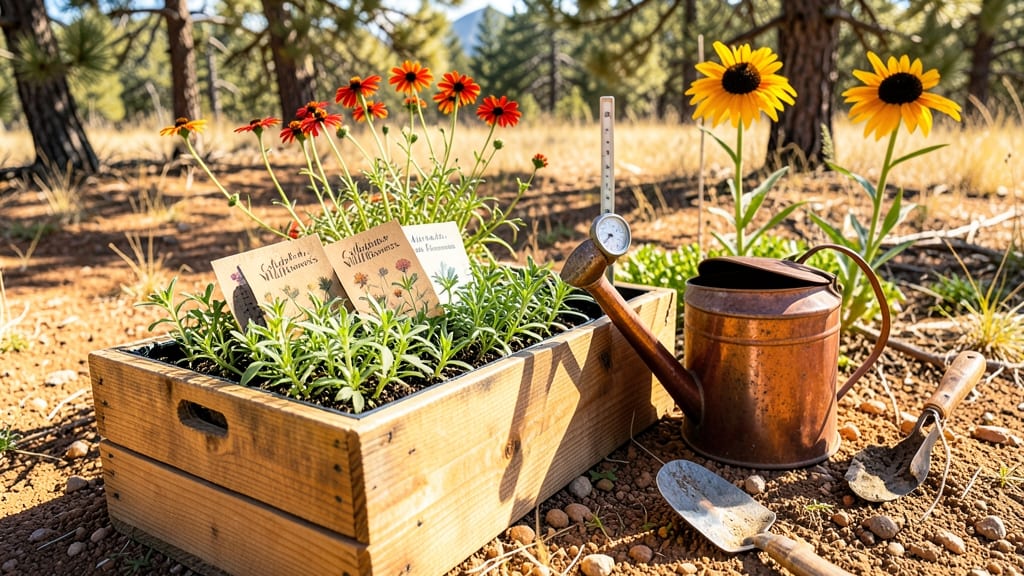
To plant flower seeds in Colorado at the perfect time means aligning with the last frost date, your elevation, and the seed’s hardiness — a 3,000-foot difference can shift your window by weeks.
Colorado’s diverse elevations—from high mountain peaks to arid plains—create a unique challenge for gardeners timing flower seed planting just right. Get it wrong, and your blooms may never emerge; get it perfect, and your garden will burst into color at the ideal moment.
In lower zones (5,000 feet), you can start as early as mid-April, while high-altitude gardeners (7,000+ feet) often wait until late May or even June. The key is knowing your zone and choosing seeds that match your 120-day growing season.
Below, I break down the best planting months for annuals vs. perennials, how to adjust for late frosts, and which flowers thrive in Colorado’s short but intense summers. Ready to turn your yard into a blooming paradise?
Colorado’s elevation zones: when to plant flower seeds by altitude
Colorado’s dramatic elevation changes mean your Denver garden might have a completely different planting schedule than your friend’s Aspen garden just 50 miles away. The last frost dates shift dramatically—sometimes by weeks—between lowland plains and high mountain valleys.
Understanding these zones will help you choose the right flower seeds and timing for your specific altitude.
I’ve gardened in all three zones, and the difference in growing seasons is staggering. At 3,000 feet, you might plant cosmos seeds in early May, while at 9,000 feet, you’re still waiting for snowmelt in June.
Let’s break down the key planting windows for each zone so you can time your flower seed sowing perfectly.
In lowland regions (like Colorado Springs or Pueblo), you can start direct sowing as early as April 15 for heat-loving annuals like cosmos.
These areas enjoy 120+ frost-free days, giving you plenty of time for two planting cycles—one in spring and another in late summer for fall blooms.
At 5,000–7,000 feet (common in Fort Collins or Boulder), your window narrows. Wait until after May 20 to plant snapdragons or sunflowers, as late frosts can still linger. Microclimates here are critical—south-facing slopes warm up faster, while north-facing areas stay cooler.
For high mountain gardens (think Leadville or Vail), patience is key. Don’t rush—wait until after June 1 to sow sweet alyssum or larkspur. These areas often have only 90 frost-free days, so focus on fast-growing annuals and hardy perennials like alpine penstemon.
Pro tip: Use row covers to extend your season in all zones. In lowlands, they let you plant 2 weeks earlier; in high mountains, they protect seedlings from late snow or chilly nights. I’ve seen cosmos seeds thrive in Denver under cover planted in early April!
Don’t forget about soil temperature—it’s just as important as air temperature. Use a soil thermometer to confirm your soil has reached 50°F+ before planting. In high-altitude zones, this might not happen until July, while lowland areas can be ready by mid-April.
For perennials, timing matters less, but early spring planting gives roots time to establish before summer heat. In foothill regions, I’ve had great success planting columbine seeds in late April—they self-seed beautifully and come back year after year.
Adjust for microclimates within your zone. A sheltered garden near a building might be 2–3 weeks ahead of an exposed area. Use windbreaks or stone borders to create warmer pockets where delicate flower seedlings can thrive.
Remember: Colorado’s weather is unpredictable. Always have a backup plan—whether it’s starting seeds indoors or keeping row covers on hand. With the right timing, your garden will reward you with vibrant blooms from June through October—no matter your elevation! 🌻
Best flower seeds to plant early vs. late in Colorado’s growing seasons
Colorado’s short growing season and variable frost dates mean timing is everything when planting flower seeds. Early bloomers like pansies and sweet peas thrive when sown in late winter or early spring, while heat-lovers such as zinnias and marigolds need to wait until late spring or early summer.
Understanding these windows helps you avoid frost damage or bolting before flowers even appear.
Your elevation zone plays a huge role—lowland areas (3,000–5,000 ft) can start earlier, while high-altitude gardens (7,000+ ft) must wait until after May 15 to avoid late frosts. Even in the same region, microclimates (like south-facing slopes) can shift planting by 2–4 weeks.
For example, cosmos and sunflowers are forgiving if planted late, but delphiniums bolt quickly in warm soil.
Early Planting (Feb–April) vs. Late Planting (June–July)
Early Planting (Cool-Season Flowers)
- Pros: Longer bloom time, frost-hardy varieties, less competition for nutrients.
- Cons: Risk of rot in cold, wet soil; slower germination.
Best for: Pansies, Sweet Peas, Snapdragons, Calendula
Late Planting (Heat-Loving Flowers)
- Pros: Faster growth in warm soil, bold colors (zinnias, marigolds), less pest pressure early on.
- Cons: Shorter bloom season; may struggle in summer droughts.
Best for: Zinnias, Marigolds, Sunflowers, Cosmos
For borderline zones (like Denver’s USDA Zone 5b), I recommend a risk vs. reward approach. Plant hardy annuals like larkspur or hollyhocks early for spring blooms, then follow with heat-tolerant varieties like portulaca or celosia in late June.
These drought-resistant flowers thrive in Colorado’s arid summers and won’t wilt if you miss the early window.
If you’re unsure about your last frost date, check local CoCoRaHS data or use the National Weather Service frost calendar. For high-altitude gardens (7,000+ ft), add 1–2 weeks to all planting timelines.
For example, Boulder’s last frost is typically May 1, while Grand Junction’s is April 15—a 3-week difference that matters for fast-growing flowers like bachelor’s buttons.
Extend your season with succession planting: Sow quick-sprouting seeds like nasturtiums every 2 weeks from May to July. This ensures continuous blooms without gaps. For cool-season flowers, start seeds indoors in February and transplant after April 15 (or later in high-altitude areas).
Use grow lights if your indoor space is low-light, as sweet peas and stock need 12+ hours of light to germinate well.
Remember, Colorado’s weather is unpredictable—always have row covers or cloche tunnels ready for late spring frosts. Even in Zone 6 areas, a May frost can wipe out young seedlings.
For high-risk plants like dahlias, wait until after June 1 to plant seeds or buy tubers for a longer bloom season. With the right timing, your garden can burst into color from May through October! 🌼