
Plants
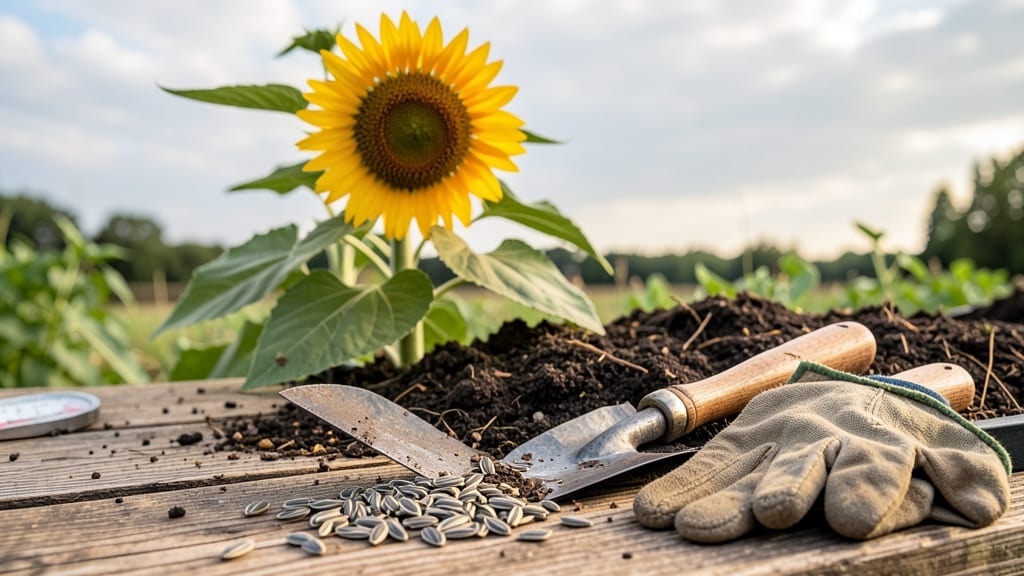
To plant sunflower seeds in Colorado, aim for mid-April to early June after the last frost—timing that turns thin mountain air into the perfect backdrop for 10-foot-tall stalks.
Colorado’s high-altitude climate can make sunflower gardening tricky—plant too early, and frost will strike; too late, and your stalks won’t reach their full towering glory. But with the right timing, you’ll grow sunflowers that thrive despite the thin air and unpredictable weather.
Whether you’re on the Front Range or the Western Slope, knowing your USDA Zone 5-7 and local frost dates is the key to success. I’ll break down the best planting windows by altitude, plus how to prep your soil for maximum growth.
From drought-resistant varieties to late-spring hail risks, you’ll learn how to adapt your garden for stronger stalks and bigger blooms—even in Colorado’s challenging conditions.
Best planting dates for sunflowers in Colorado by altitude zone
Colorado’s diverse altitude zones create unique challenges for sunflower gardeners. While lowland areas like Denver (5,280 ft) enjoy longer growing seasons, high-mountain regions above 9,000 ft face shorter frost-free periods. Timing your sunflower seeds correctly ensures strong stalks and vibrant blooms.
The key is planting after soil temperatures reach 55°F (13°C)—when the ground warms enough for germination but before late spring frosts strike.
For Front Range gardeners (5,000–7,000 ft), aim for mid-April to early June after the last frost date. In Western Slope areas (6,000–8,000 ft), like Grand Junction, shift planting to late April to mid-June to avoid early-season cold snaps.
At high altitudes (8,000–10,000 ft), such as near Leadville, start seeds indoors in March or wait until late May to early June for direct sowing.
Here’s a quick reference for optimal planting windows based on Colorado’s three main altitude zones, including frost-free dates and soil temperature thresholds:
To calculate your local frost-free date, check the National Weather Service or use the USDA Plant Hardiness Zone Map. For example, Denver (Zone 5b) typically sees its last frost around April 15, while Aspen (Zone 4b) waits until June 1.
Always plant 1–2 weeks after your area’s average last frost date to account for late-season cold snaps.
For soil temperature checks, use a soil thermometer or bury a glass jar filled with water in the garden—when the water reaches 55°F (13°C), it’s safe to plant.
In high-altitude areas, soil stays cooler longer, so wait until 60°F (16°C) for reliable germination. If you’re unsure, opt for cold-hardy varieties like 'Autumn Beauty,' which tolerates cooler soils.
Another tip: Succession planting works well in Colorado’s shorter seasons. Sow a second batch of seeds in early July for a late-summer harvest, especially in lower elevations.
This extends your flowering window and ensures continuous blooms for pollinators. Just be sure to use fast-maturing varieties (60–70 days to harvest) to avoid frost damage.
If you’re gardening in high-wind areas, like the Eastern Plains, consider planting sunflowers near windbreaks or using stakes for taller varieties. Wind stress can stunt growth, so well-drained soil and regular watering (1 inch per week) are critical.
In drought-prone regions, like the Western Slope, mulch heavily to retain moisture and improve soil temperature stability.
For container gardening, start seeds indoors 4–6 weeks before your last frost date or use heat mats to warm soil in pots. Dwarf varieties like 'Sunspot' thrive in containers and can be moved to sunny patios once the risk of frost passes.
Just ensure your container has drainage holes to prevent root rot—a common issue in Colorado’s variable rainfall.
Finally, keep an eye on weather forecasts in late spring. A late frost warning can devastate young seedlings, so have row covers or cloches ready. If frost is predicted
How Colorado’s microclimates affect sunflower growth and how to adapt
Colorado’s dramatic elevation shifts create wildly different growing conditions for sunflowers. At 5,000 feet on the Front Range, you’ll enjoy longer growing seasons, while 8,000-foot mountain gardens face shorter summers and stronger winds. These microclimates can turn your sunflowers into either towering giants or stunted survivors—depending on how you adapt.
The Western Slope’s dry air and high winds near open plains demand sturdier varieties, while mountain valleys with cooler nights benefit from heat-loving sunflowers. Even within a single county, frost pockets and afternoon sun exposure can shift your planting strategy completely.
Understanding these factors helps you choose the right varieties and timing for your specific location.
Late-spring hailstorms—common in Colorado—pose another threat to young sunflower seedlings. A 6-inch-tall sprout can be flattened by hail before it even reaches maturity. Protecting your plants with row covers or planting near windbreaks gives them a fighting chance against these unpredictable storms.
I’ve seen entire gardens lost to hail in a single afternoon, so preparation is key.
⚠️For gardeners in high-altitude areas (above 7,000 feet), the growing season shrinks dramatically. Sunflowers need at least 80 frost-free days to mature, so start with fast-maturing varieties like ‘Autumn Beauty’ (56 days) or ‘Teddy Bear’ (60 days).
These shorter-season types give you a better chance of seeing blooms before the first frost hits in October.
Succession planting is another smart strategy for Colorado’s unpredictable weather. Instead of planting all your seeds at once, stagger them every 2-3 weeks from mid-April through early June. This ensures a continuous harvest and reduces the risk of losing your entire crop to a single late frost or hailstorm.
I’ve had great success with this method in my Denver garden, where we often see unexpected late frosts in May.
Wind exposure also plays a critical role. Sunflowers in open fields may need staking or trellising to prevent them from toppling over. Choose compact varieties like ‘Moulin Rouge’ (4-5 ft) for windy areas, or plant them in sheltered spots near buildings or hedgerows.
Even a simple windbreak made of burlap can make a difference in keeping your sunflowers upright and healthy.