
Flowers
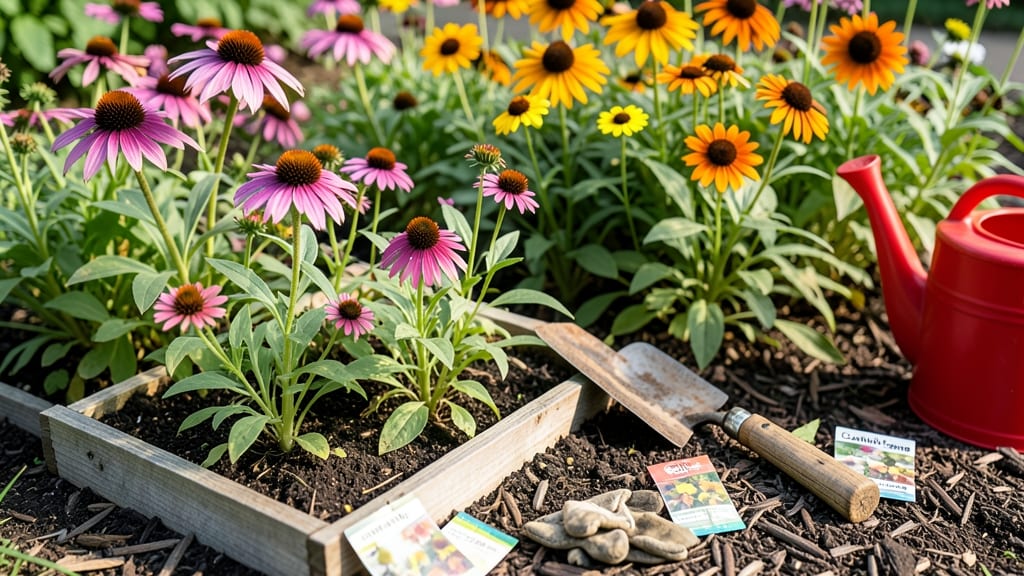
Planting flower seeds in Missouri at the right time means the difference between a garden bursting with color and one that struggles to take root.
Missouri’s unpredictable spring weather can leave gardeners guessing—plant flower seeds too early, and frost will kill them; too late, and you miss peak bloom season. But with the right timing based on your hardiness zone (5b or 6a), you can unlock vibrant gardens year after year.
For most Missouri gardeners, the ideal window opens in late March to early May, after the last frost date (typically around April 15), when soil temperatures hit 60°F or warmer.
This timing ensures your 🌸 flower seeds—whether annuals like marigolds or perennials like coneflowers—get a strong start before summer heat arrives.
Below, I break down the exact planting schedule for your zone, plus tips to extend your season, choose the best varieties, and avoid common mistakes that waste seeds and time.
Missouri flower seed planting calendar by hardiness zone 5b/6a
Missouri gardeners know timing is everything—especially when planting flower seeds. In hardiness zones 5b/6a, your planting window hinges on last frost dates (typically mid-April in most regions) and soil temperatures (aim for 60°F+ for warm-season flowers).
Cool-season flowers like pansies can handle earlier sowing, while heat-lovers like zinnias need to wait until after frost. Let’s break down the month-by-month schedule to maximize blooms all season long.
Start by noting your local frost dates—they vary slightly between northern (5b) and southern (6a) Missouri. For example, Columbia (6a) may have a 2-week earlier last frost than Kansas City (5b).
Use these dates as your anchor: cool-season flowers (e.g., snapdragons, calendula) can go in early March under frost cloth, while warm-season flowers (e.g., sunflowers, marigolds) should wait until after May 1 in most areas. Perennials like coneflowers and black-eyed Susans can be sown early spring or fall for best results.
| Month | Plant Type | Ideal Flowers | Soil Temp (°F) | Action | Notes |
|---|---|---|---|---|---|
| February | Cool-Season Annuals | Pansies, Snapdragons, Lettuce (edging) | 40-50°F | Start indoors or sow under frost cloth | Use seed trays; harden off before transplanting. |
| March | Perennials & Cool-Season Bulbs | Coneflowers, Black-Eyed Susans, Tulips | 50-60°F | Direct sow outdoors or transplant seedlings | Mulch to retain moisture; avoid frost pockets. |
| April | Warm-Season Prep | Marigolds, Zinnias, Basil (edging) | 60°F+ | Start indoors; harden off by May | Use grow lights if natural light is limited. |
| May | Warm-Season Annuals | Sunflowers, Petunias, Cosmos | 65°F+ | Direct sow after last frost | Space seeds per package instructions; thin seedlings. |
| June | Succession Planting | Zinnias, Nasturtiums, Ageratum | 70°F+ | Sow every 2-3 weeks for continuous blooms | Ideal for cutting gardens; deadhead regularly. |
| August | Fall Annuals |
Best flowers to plant by seed type in Missouri gardensMissouri’s diverse climate supports everything from hardy perennials that return yearly to vibrant annuals that bloom nonstop. The key to success? Matching each flower type to its ideal planting window and growing conditions. For example, black-eyed Susans and coneflowers thrive as perennials in Missouri’s USDA zones 5b-6a, while petunias and marigolds shine as annuals with the right timing. Below, I’ve organized the best flowers by seed type—annuals, perennials, and bulbs—with their exact planting windows, sunlight needs, and hardiness notes. These varieties perform exceptionally well in Missouri’s climate, offering long-lasting color with minimal fuss.
For annuals, timing is critical—sow seeds directly into the garden after the last frost (typically mid-April) when soil temperatures reach 60°F or warmer. This ensures strong germination and avoids frost damage. Petunias and marigolds are my top picks for instant color, while zinnias attract pollinators like bees and butterflies. If you’re planting perennials, early spring or fall are your best bets. Coneflowers and black-eyed Susans are Missouri natives that thrive with minimal care, offering months of blooms and supporting local ecosystems. For bulbs, fall planting (September-October) is essential—this gives roots time to establish before winter dormancy. Pro tip: Always check seed packets for days to germination and adjust planting dates accordingly. For example, petunias germinate in 7-14 days, while zinnias may take 5-10 days. Starting seeds indoors 4-6 weeks before the last frost can give you a head start on the season. Missouri’s full sun conditions suit most flowers, but a few—like impatiens or coleus—prefer partial shade in the hottest afternoons. Always match your flower’s sunlight needs to its location in your garden to ensure healthy growth and abundant blooms. |