
Flowers
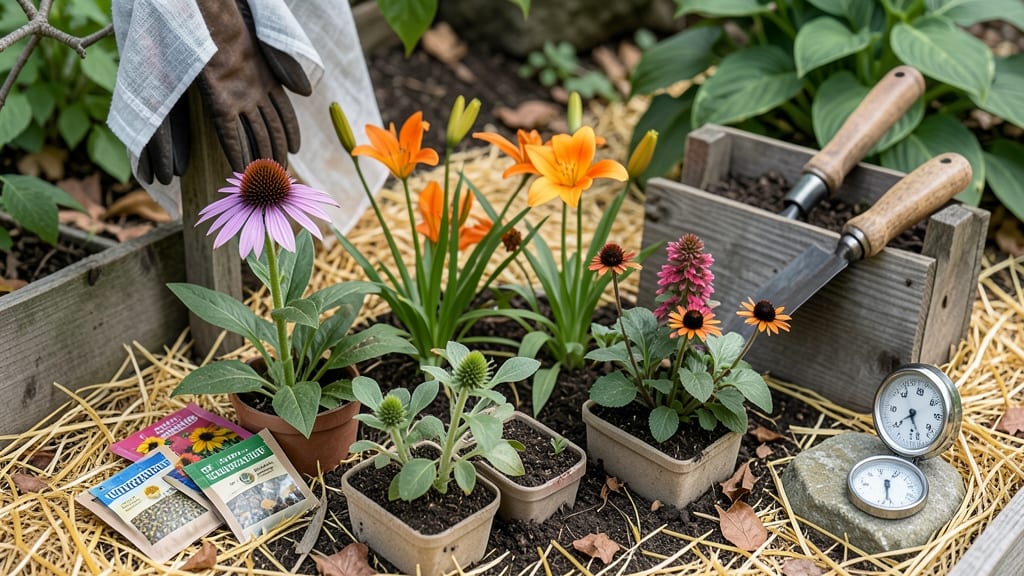
To plant flowers in Chicago, time your efforts between mid-March and mid-May for spring blooms, or early September to mid-October for fall varieties—skipping these windows risks frost damage or stunted growth.
Chicago’s unpredictable spring frost can turn your dream garden into a frozen disappointment—but timing your flower planting just right ensures vibrant blooms all season long. 🌸
With USDA Zone 5B’s short growing season, knowing when to plant perennials (like coneflowers) versus annuals (like petunias) makes all the difference. Miss the window, and you’ll end up with leggy, weak plants—or worse, nothing at all.
Below, I break down the exact frost dates, the best flowers for Chicago’s climate, and how to stretch your blooms into late fall. Ready to transform your yard into a year-round showstopper?
Chicago’s frost dates: exact planting windows for annuals, perennials, and bulbs
Chicago’s USDA Zone 5B climate means frost can strike anytime between mid-April and mid-October. To avoid frozen seedlings or wasted blooms, timing is everything. The average last frost date is May 15, while the first frost typically arrives around October 15.
These dates create your planting windows—but don’t let them fool you. Microclimates near Lake Michigan can delay frost by weeks, while inland areas may freeze earlier.
For cold-hardy perennials and spring-blooming bulbs, like tulips and daffodils, plant in fall (September-October) to establish roots before winter. Tender annuals, such as petunias and marigolds, need to wait until after the last frost—usually mid-May—to avoid damage.
Even then, a late frost can sneak in, so always have row covers ready.
Here’s your month-by-month planting schedule, based on frost-free probability data and Chicago’s growing seasons. Use this as your guide to maximize blooms and minimize frost risk.
| Plant Type | Planting Window | Frost Risk | Notes |
|---|---|---|---|
| Spring-Blooming Bulbs (Tulips, Daffodils) | September 15 – October 15 | Low (roots establish before frost) | Plant 6 inches deep in well-draining soil. |
| Perennials (Coneflowers, Black-Eyed Susans) | April 15 – May 15 (after last frost) | Moderate (late frosts possible) | Hardy to -20°F; mulch after planting. |
| Annuals (Petunias, Marigolds, Zinnias) | May 15 – June 1 (after last frost) | High (tender to frost) | Start indoors 6-8 weeks before last frost. |
| Fall-Blooming Bulbs (Crocuses, Alliums) | September 1 – October 1 | Low (early blooms next spring) | Plant 4-6 weeks before first frost. |
| Cold-Hardy Annuals (Pansies, Snapdragons) | March 15 – April 15 (or September for fall) | Moderate (survive light frost) | Ideal for early spring/fall color. |
| Vegetable Flowers (Nasturtiums, Calendula) | April 15 – May 15 (or direct sow) | Low (edible and frost-tolerant) | Edible flowers; great for pollinators. |
If you’re planting annuals like geraniums or impatiens, start seeds indoors 6-8 weeks before Chicago’s last frost (around March 15). Transplant seedlings outdoors only after May 15, when the soil temperature reaches 60°F.
For perennials, like daylilies or bee balm, divide and transplant in early spring (April) or early fall (September) to give roots time to establish before winter.
Chicago’s first frost usually hits around October 15, but don’t let that stop you from planting fall-blooming flowers. Asters and mums thrive when planted in early September, giving them time to bloom before winter.
For bulbs, like tulips and hyacinths, plant them in fall (September-October) so they’ll reward you with <
Top 10 flowers that thrive in Chicago’s short season (and when to plant them)
Chicago’s short growing season demands flowers that are hardy, fast-growing, and adaptable to quick temperature swings. I’ve handpicked 10 top performers that deliver bold color and resilience—plus their exact planting windows to beat the frost. 🌿
These flowers thrive in USDA Zone 5B, where last frosts hit mid-May and first frosts arrive mid-October. The key? Plant perennials after frost and annuals early to stretch blooms until fall. Here’s your battle-tested lineup:
Plant: April 15–May 15 | Sun: Full sun | Care: Drought-tolerant, deadhead for rebloom
Plant: April 1–May 10 | Sun: Partial sun | Care: Cut back in fall, attracts pollinators
Plant: May 1–June 1 (after frost) | Sun: Full sun | Care: Stake tall varieties, dig tubers before frost
Plant: April 15–May 30 | Sun: Partial shade | Care: Divide every 3–4 years, nearly indestructible
Plant: April 1–May 15 | Sun: Full sun | Care: Self-seeds freely, drought-resistant
Plant: May 15–June 1 (after frost) | Sun: Full sun | Care: Deadhead daily, pinch for bushiness
Plant: April 1–May 10 | Sun: Full sun | Care: Remove spent blooms, spreads easily
Plant: April 15–May 15 | Sun: Full sun | Care: Prune in spring, deer-resistant
Plant: May 1–June 15 | Sun: Full sun | Care: Pest-repellent, great for containers
Plant: September 15–October 15 (fall) | Sun: Full sun | Care: Plant 6" deep, mulch in winter
For Chicago’s short season, focus on perennials like coneflowers and daylilies—they return yearly and handle our hot summers and cold snaps. Annuals like petunias and marigolds