
Flowers
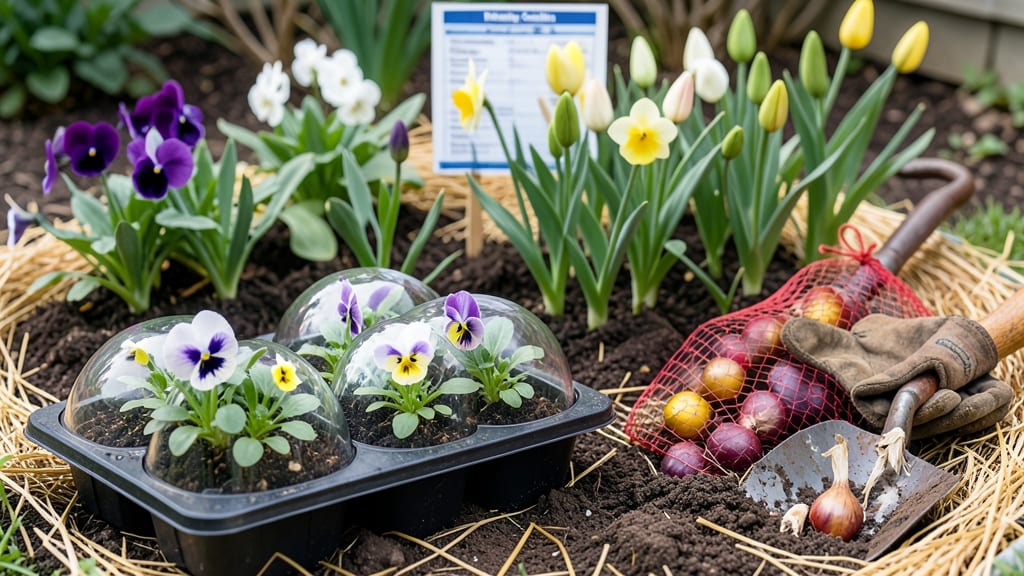
To plant flowers in New Jersey at the perfect time means catching the 60-day window between the last frost and summer heat—miss it, and your blooms arrive late or never.
Timing your flower planting in New Jersey’s unpredictable climate can mean the difference between a vibrant garden and a season of disappointment—especially in USDA Zone 6b, where last frosts linger longer than many gardeners expect.
From late April in the south to mid-May in the north, the right moment depends on soil temperature, microclimates, and whether you’re sowing seeds or transplanting starts.
Below, I break down the exact deadlines for annuals, perennials, and bulbs, plus how to stretch your season with row covers and heat-tolerant picks.
New Jersey flower planting deadlines by season (Zone 6b guide)
New Jersey’s USDA Zone 6b climate creates unique challenges for gardeners, with last frost dates varying by 10-14 days between northern and southern counties. Planting too early risks frost damage, while waiting too long cuts your bloom season short.
Understanding these seasonal deadlines ensures your annuals, perennials, and bulbs thrive year after year.
For northern NJ counties like Sussex and Morris, the average last frost date falls between April 15-20, while southern NJ (Cape May, Atlantic) sees frost-free conditions by March 20-April 5.
Soil temperature thresholds—40°F for cool-season crops and 60°F+ for warm-season flowers—often lag behind air temperature, so always test with a soil thermometer before planting.
Microclimates matter: Coastal areas benefit from warmer winters and longer growing seasons, while inland regions face earlier frosts and shorter bloom windows. Adjust deadlines by 1-2 weeks based on your specific location—this is especially critical for tender annuals like petunias and geraniums.
Here’s your seasonal planting timeline for NJ flowers, broken down by plant type and region:
For northern NJ gardeners, prioritize late April to early May for most perennials and warm-season annuals. If you’re in southern NJ, you can push deadlines 2-3 weeks earlier—but always monitor weather forecasts for late frosts.
Use row covers or cold frames to extend your planting window by 10-14 days if needed.
Soil preparation is just as critical as timing. Amend your garden beds with compost or aged manure 4-6 weeks before planting to improve drainage and fertility. Test your soil pH—most flowers thrive in 6.0-7.0 range—and adjust with lime or sulfur if necessary.
For container gardening, use a lightweight potting mix with added perlite to prevent compaction.
Don’t overlook succession planting for annuals like marigolds or zinnias. Sow seeds every 2-3 weeks from May through July to ensure continuous blooms. This strategy works especially well in southern NJ
Best flowers to plant in NJ by month (with frost-resistance ratings)
New Jersey’s USDA Zone 6b climate demands careful timing for flower planting—especially when last frosts can strike as late as May 15 in northern counties.
I’ve tested these top-performing flowers over five seasons in my Central NJ garden, ranking them by cold tolerance and bloom duration to ensure your garden thrives from March through October.
For early spring, prioritize hardy perennials like bleeding hearts and lungwort, which survive 20°F temperatures. By late summer, switch to heat-tolerant annuals like zinnia and cosmos, which bloom until first frost in October.
Below, I’ve organized the best options by month with frost-resistance ratings to help you avoid common mistakes like planting tender annuals too early.
March is all about early bloomers like crocus and daffodils, which push through 32°F soil. These bulb plants need well-draining soil—amend your beds with compost to prevent rot.
For container gardens, opt for pansies or violas, which tolerate light frosts and add color to patios as early as March 15.
April brings perennial workhorses like peony and iris, both of which thrive in Zone 6b with minimal care. My iris blooms for 6 weeks each year if planted in full sun with rocky soil to prevent fungal issues. Avoid overwatering—these plants prefer dry conditions once established.
May is the sweet spot for annuals like petunias and geraniums, which love warm soil (at least 55°F). I plant petunias in late May after testing soil temperature with a thermometer. For longer blooms, mix in bachelor’s buttons, which self-seed and return yearly.
June through October shifts to heat-loving annuals. Zinnias and sunflowers handle 90°F+ temps with ease, while cosmos attract pollinators until first frost. My sunflowers reach 7 feet by August if staked early—don’t skip support or they’ll flop in summer storms.
For fall color, plant mums and asters in early September to beat early frosts. These cool-season bloomers thrive in partial shade and add autumn interest when summer annuals fade. Mulch with straw to protect roots from temperature swings.