
Flowers
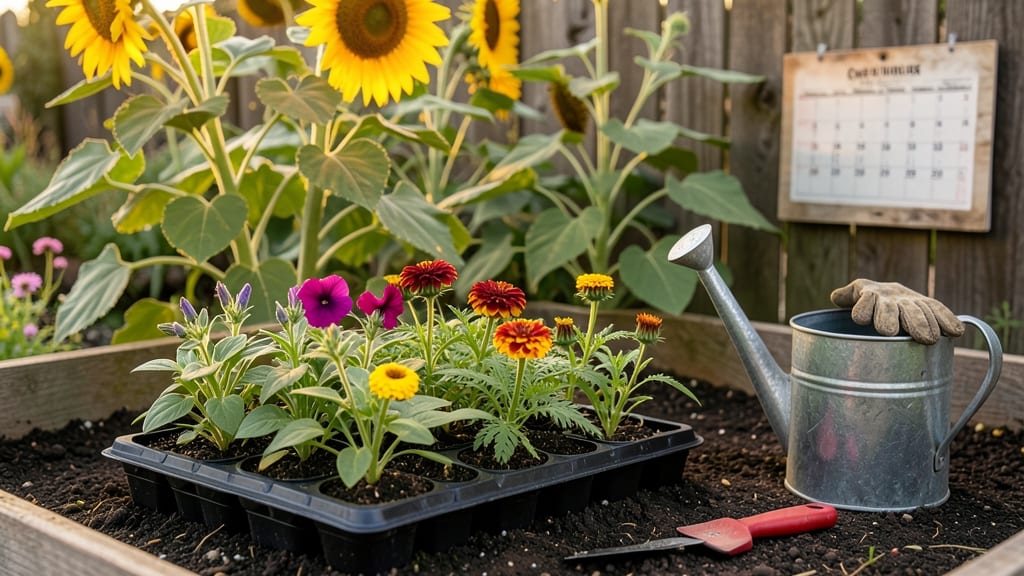
Planting flowers in Pennsylvania at the right time ensures vibrant blooms all season, and getting the timing down means avoiding frost damage or wasted effort.
Timing your flower planting in Pennsylvania can mean the difference between a vibrant garden and a season of disappointment—knowing your region’s frost-free dates is key to success.
With USDA zones 5b-7a across the state, the ideal window for most flowers is after your last frost, typically mid-April, but bulbs and cold-hardy varieties can go in as early as February.
In this guide, you’ll find a region-by-region breakdown of planting months, plus tips for extending your season and avoiding common mistakes that leave gardens looking sparse.
Pennsylvania’s frost-free zones and ideal flower planting months
Pennsylvania spans USDA Hardiness Zones 4-7, creating distinct planting windows across its regions. The Northeast (e.g., Erie, Scranton) typically falls in Zone 5b-6a, while the Southeast (e.g., Pittsburgh, Philadelphia) sits in Zone 6b-7a.
These zones dictate your last frost dates, which vary from mid-April in the south to early May in the north. Understanding your zone ensures you plant annuals and perennials at the perfect time for vibrant blooms all season.
Your average last frost date depends on location: April 15 in the southeast (e.g., Harrisburg) and May 1 in the northwest (e.g., State College). For fall planting, aim to sow seeds or transplant 4-6 weeks before your first frost, which usually arrives between October 10-20.
Missing these windows can leave your flowers vulnerable to late frosts or heat stress, stunting growth or causing wilting.
Here’s how Pennsylvania’s regions break down for planting: Zone 5b (Northeast): Last frost May 1, first frost October 15 Zone 6a (Central): Last frost April 20, first frost October 10 Zone 7a (Southeast): Last frost April 10, first frost October 25 These dates create a 165-day growing season in most areas, with adjustments needed for high-elevation zones like the Poconos (Zone 5a).
| Region | USDA Zone | Last Frost | First Frost | Best Planting Months | Notes |
|---|---|---|---|---|---|
| Northeast (Erie, Scranton) | 5b-6a | May 1 | October 15 | May-June (spring), Aug-Sept (fall) | Use row covers for early starts |
| Central (Harrisburg, State College) | 6a-6b | April 20 | October 10 | April-May (spring), Sept (fall) | Soil warms faster; plant early |
| Southeast (Pittsburgh, Philly) | 6b-7a | April 10 | October 25 | March-April (spring), Sept-Oct (fall) | Longer season; extend with fall planting |
🌱 Pro Tip: Check local frost dates annually—climate shifts can delay or advance frost by 1-2 weeks.
For annual flowers, like marigolds or zinnias, wait until after your last frost and when soil reaches 60°F.
In Zone 5b, this is typically late May, while Zone 7a gardeners can start as early as mid-April. Perennials, such as cone flowers or black-eyed Susans, can handle cooler soil and often thrive when planted in early spring (March-April) or early fall (September).
Bulbs like tulips and daffodils are an exception—they need 6-8 weeks of chilling before planting. In Pennsylvania, plant them in October-November for spring blooms. Fall planting also works for hardy perennials
Best flowers to plant by Pennsylvania season (with regional adjustments)
Pennsylvania’s diverse climate—from the cool mountain valleys of the northeast to the warmer southern regions—means your flower choices should shift with the seasons. Spring-bloomers like tulips and pansies thrive in early planting, while summer annuals such as zinnias and marigolds need warmth to flourish.
Even fall and winter options like mums and hellebores can brighten your garden when timed correctly.
For USDA zones 5b-7a, the key is aligning planting with your region’s last frost date (typically mid-April) and first frost (around mid-October).
In colder zones (e.g., Erie or Pocono regions), start cold-hardy bulbs in late February, while warmer zones (e.g., Pittsburgh or Philadelphia) can plant annuals in March.
🌱 Seasonal Flower Planting Guide for PA
-
🌸 SPRING (Feb-April)
Cold-Hardy Picks: Tulips, Daffodils, Pansies, Bleeding Heart -
☀️ SUMMER (May-July)
Heat-Lovers: Zinnias, Marigolds, Sunflowers, Petunias -
🍂 FALL (Aug-Sept)
Late Bloomers: Chrysanthemums, Asters, Goldenrod, Sedum -
❄️ WINTER (Oct-Nov)
Evergreen Options: Hellebores, Winter Aconite, Snowdrops
Regional Note: Southern PA (Zone 7a) can plant tender annuals 2-3 weeks earlier than northern PA (Zone 5b).
In northern PA, prioritize early bulbs like crocuses and long-blooming perennials such as coneflowers to maximize your season. These varieties tolerate cooler soils and shorter growing windows.
For southern PA, lean into heat-resistant annuals like lantana or vinca, which thrive in the hotter summers and humid conditions near the Mason-Dixon line.
Don’t overlook fall planting—many perennials and biennials (e.g., foxgloves or hollyhocks) benefit from cool-season establishment. Plant them 4-6 weeks before your first frost to give roots time to settle before winter dormancy. Mums are another great fall option, blooming reliably when planted in early September.
For container gardening in PA, choose compact varieties like petunias or geraniums, which adapt well to urban heat islands and limited space. These can be planted after Memorial Day (mid-May) once nighttime temperatures stay above 50°F. Always use well-draining soil to prevent root rot in pots.
Extend your blooms by succession planting—sow fast-growing annuals like bachelor’s buttons every 2-3 weeks from May through July. This creates a continuous display and hides gaps as earlier blooms fade. Pair early spring bulbs with late-summer perennials (e.g., black-eyed Susans) for a seamless transition.