
Flowers
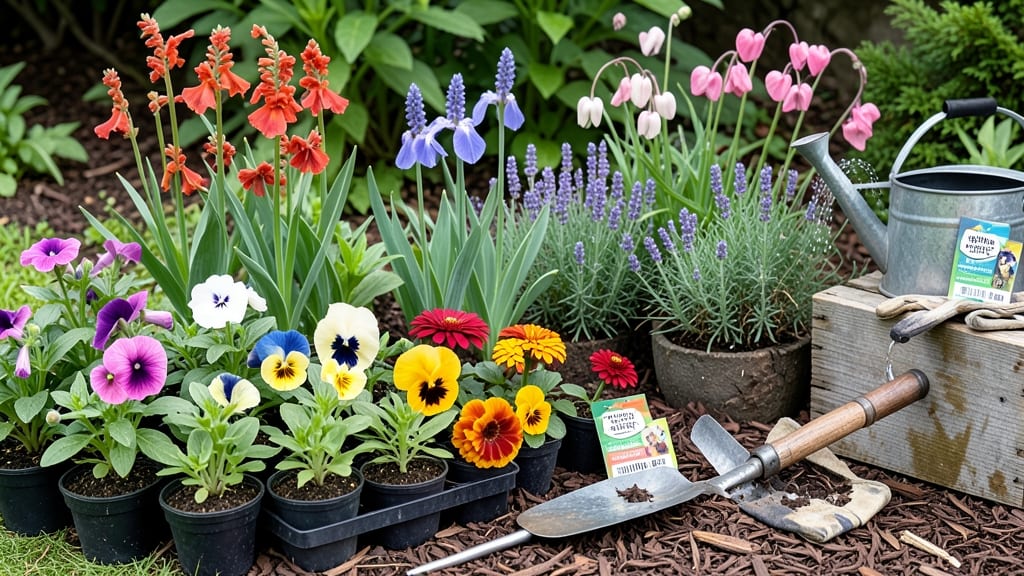
Planting flowers in Portland, Oregon, means timing your spring and fall windows to avoid the city’s notorious late frosts and unpredictable rain.
Here’s the catch: Portland’s neighborhoods don’t all play by the same rules. The West Hills might still see frost in early May, while Southeast Portland’s urban heat islands can push spring blooms to start weeks earlier.
Get it wrong, and your 🌸 could bolt before summer even arrives—or worse, rot in soggy soil.
In this guide, I’ll break down the exact planting deadlines by neighborhood, from the cool, coastal West Hills to the rain-shadowed Eastside, so you can match your flowers to your microclimate.
No more guessing whether your pansies will survive St. Johns’ late frosts or if your dahlias will thrive in Sellwood’s early heat.
You’ll also learn how to adjust for Portland’s wet springs, extend your blooming season with cold frames, and pick the toughest flowers for your specific corner of the city. Let’s get those 🌸 in the ground at the perfect moment.
Portland’s flower planting zones: USDA 8a vs. microclimates (when to plant by neighborhood)
Portland’s USDA Zone 8a classification gives us a starting point, but the city’s dramatic microclimates mean your St. Johns garden might have a 2-week difference in frost dates compared to Sellwood’s urban heat island.
These variations directly impact when you should plant your annuals, perennials, and bulbs for maximum blooms.
Most Portlanders aim for spring planting between March and May, but your exact timing depends on elevation, proximity to the Willamette River, and even building density.
For example, the West Hills often see frost until April 15, while Southeast Portland can safely plant 2 weeks earlier thanks to urban warmth. Let’s break down these neighborhood-specific planting windows so you can time your flowers perfectly.
Key rule: Always plant cool-season flowers (pansies, snapdragons) 4-6 weeks before your area’s last frost date, and warm-season flowers (zinnias, marigolds) 2 weeks after. Bulbs? Plant them in fall (October-November) for spring blooms.
| Neighborhood | Last Frost Date | Ideal Planting Window | Best Annuals | Best Perennials |
|---|---|---|---|---|
| West Hills (e.g., Hawthorne, Alberta Arts) | April 15 | March 15 - April 30 | Pansies, Sweet Peas | Lavender, Catmint |
| North Portland (e.g., St. Johns, Kenton) | April 1 | March 1 - April 15 | Snapdragons, Calendula | Russian Sage, Yarrow |
| Eastside (e.g., Sellwood, Woodstock) | March 25 | February 28 - April 15 | Zinnias, Marigolds | Coneflower, Black-Eyed Susan |
| Downtown/Urban Heat Islands (e.g., SE Division) | March 15 | February 15 - April 1 | Petunias, Geraniums | Salvia, Bee Balm |
| Columbia Gorge (e.g., Troutdale) | April 22 | April 1 - May 15 | Cosmos, Sunflowers | Blanket Flower, Gaillardia |
Notice how Eastside neighborhoods like Sellwood can start planting annuals as early as late February, while West Hills gardeners should wait until mid-March? This 2-week shift makes all the difference for heat-loving flowers like zinnias, which bolt if planted too early in cooler areas.
For perennials, timing matters less but still counts.
Plant them in early spring (March-April) when soil is workable but before summer heat stresses new roots. Bulbs are the exception—plant them in fall (October-November) so they establish roots before winter. Daffodils and tulips thrive when planted in cool, moist soil before the ground freezes.
Pro tip: Use Portland’s urban heat islands to your advantage. Southeast Portland’s concrete jungle stays 5-10°F warmer than rural areas, letting you grow tropical flowers like hibiscus or canna lilies that wouldn’t survive elsewhere. Just monitor soil temps—50°F (10°C) is the magic number for most flowers.
What about container gardening? Containers warm up faster than in-ground soil, so you can plant 2 weeks earlier in pots. Just ensure they have drainage holes and use lightweight potting mix to prevent waterlogging. Balcony gardeners in downtown Portland often get a 3-week head start on ground plantings!
One final trick: Watch for Portland’s "false springs". A warm March day doesn’t mean frost is over—check your local Oregon State University Extension frost maps weekly. If you
Best flowers to plant in Portland by season (with frost-date adjustments)
Portland’s cool springs and mild summers create perfect conditions for a year-round flower garden—if you time it right. The key? Adjusting your planting schedule by neighborhood.
While the city’s average last frost date is March 15, the West Hills can still see frost in early May, while Southeast Portland’s urban heat islands push spring blooms to start weeks earlier.
For cool-season flowers, like pansies and snapdragons, I recommend planting in late August to September for fall blooms or February to March for spring. These tough annuals handle Portland’s chilly, wet springs like champions.
Meanwhile, heat-loving zinnias and marigolds should wait until after May 1—or risk bolting before summer arrives.
Bulbs like daffodils and tulips are another story. Plant them in October to November for spring blooms, but adjust timing if you’re in the Columbia Gorge (plant 2 weeks earlier) or the Willamette Valley (plant 2 weeks later).
These tweaks ensure your bulbs bloom when the soil warms just enough to support growth.
| Flower Type | Best Planting Window | Frost-Date Adjustments | Sun Needs | Notes |
|---|---|---|---|---|
| Cool-Season Annuals | Feb-Mar or Aug-Sept | +2 wks in West Hills, -1 wk in SE Portland | Full sun to partial shade | Pansies, snapdragons, sweet alyssum |
| Heat-Tolerant Annuals | May 1-June 15 | -2 wks in Columbia Gorge, +1 wk in Willamette Valley | Full sun | Zinnias, marigolds, sunflowers |
| Spring Bulbs | Oct-Nov | +2 wks in Willamette Valley, -1 wk in Gorge | Full sun to partial shade | Daffodils, tulips, hyacinths |
| Fall Bloomers | July-Aug | +1 wk in cooler areas, -1 wk in heat islands | Partial shade | Chrysanthemums, asters, ornamental kale |
For perennials, like black-eyed Susans and bee balm, early spring (March) is ideal—just as the soil warms but before summer heat sets in. These plants establish roots quickly, giving them a head start for longer blooming seasons.
If you’re in the Columbia Gorge, hold off until April 1 to avoid late frosts.
Pro tip: Use row covers for late frosts (common in St. Johns and North Portland) to protect tender seedlings. For container gardens in urban heat islands (like Southeast Portland), opt for heat-tolerant varieties like celosia or portulaca, which thrive in dry, hot conditions.
Remember, Portland’s rainfall patterns mean your soil stays moist longer than in drier climates. Overwatering is a common mistake—stick to deep watering 2-3 times per week in summer, and reduce to once weekly in fall.
With these adjustments, your garden will bloom earlier, longer, and more vibrantly than ever before. 🌸