
Flowers
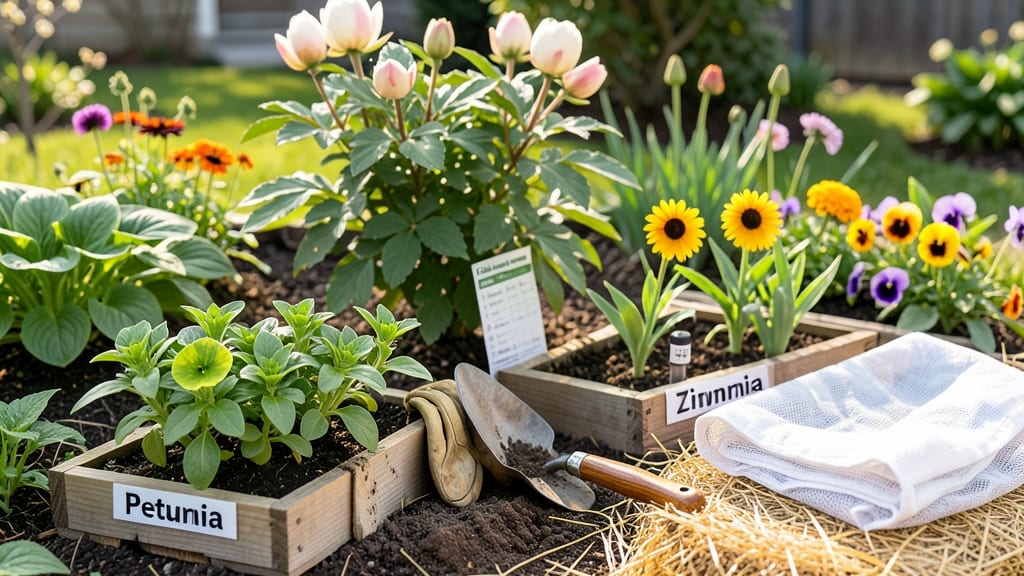
Planting flowers in Vermont at the right time means the difference between a garden bursting with color and one struggling to survive the unpredictable frosts 🌸.
Vermont’s short growing season and late spring frosts can turn even the most eager gardener into a timing guesser—but planting flowers at the wrong time means wilting dreams instead of vibrant blooms.
In USDA Zone 5a-6b, the ideal window for most flowers is between April 15 and May 15 for spring plantings, with a second chance in August or September for fall-blooming varieties.
Below, I’ll walk you through the exact timing for annuals, perennials, and bulbs—plus how to adjust for Vermont’s microclimates so your garden thrives from the first bloom to the last frost.
Best planting months for Vermont flowers by USDA Zone 4b climate
Vermont’s USDA Zone 4b climate demands precision timing—plant too early, and frost zaps tender seedlings. Too late, and your blooms arrive after summer’s peak. The key? Aligning your planting schedule with soil temperatures, last frost dates, and the unique needs of annuals, perennials, and bulbs.
With an average 150 frost-free days, every week counts!
Most Vermont gardeners mark their calendars for mid-April to mid-May as the prime window for spring planting, but bulbs and hardy perennials have different deadlines. Fall also offers a second chance—August through September—to establish roots before winter’s chill sets in.
Let’s break down the exact months, soil conditions, and plant types to maximize your garden’s potential.
Soil temperature is your best friend: aim for 50°F (10°C) for most flowers. Test with a soil thermometer or use the finger rule—if the soil feels cool to the touch, wait a few days. In Zone 4b, late May is the absolute cutoff for warm-season annuals like marigolds or zinnias, while hardy perennials like coneflowers can handle early April plantings.
| Plant Type | Best Planting Months | Soil Temp Requirement | Notes for Zone 4b |
|---|---|---|---|
| Annuals (e.g., petunias, snapdragons) | May 1–June 15 | 55–65°F (13–18°C) | Wait until after last frost; use row covers for early starts. |
| Perennials (e.g., peonies, coneflowers) | April 15–May 15 | 45–55°F (7–13°C) | Plant crowns 2" deep; mulch heavily for winter. |
| Spring-Blooming Bulbs (e.g., tulips, daffodils) | September–October (fall) | 50–60°F (10–16°C) | Plant 6–8 weeks before first frost for root establishment. |
| Fall-Blooming Bulbs (e.g., chrysanthemums, asters) | April–May | 50°F (10°C) minimum | Direct-sow after last frost; deadhead for prolonged blooms. |
| Hardy Shrubs (e.g., hydrangeas, lilacs) | April–May or September | 40–50°F (4–10°C) | Fall planting reduces transplant shock; water deeply weekly. |
For annuals, the May 1–June 15 window is non-negotiable. These heat-lovers need warm soil to germinate, and planting earlier risks frost damage.
Start seeds indoors in late March for a head start, but harden them off before transplanting. Petunias and geraniums are classic Vermont annuals—perfect for containers or borders—but they’ll bolt if planted too early.
Perennials, however, thrive when planted in early spring. The April 15–May 15 window gives roots time to establish before summer’s heat. Coneflowers and black-eyed Susans are my go-tos for Zone 4b—they handle drought, attract pollinators, and return year after year.
Divide clumps every 3–4 years to keep them vigorous, and always mulch with 3–4 inches of shredded leaves to insulate roots.
Don’t overlook fall planting—it’s a Vermont gardener’s secret weapon. Bulbs like tulips and daffodils need 6–8 weeks of cool soil before winter to bloom reliably. Aim for September–October plantings, and choose varieties like ‘Ice Follies’ tulips, which thrive in our climate.
For perennials, fall planting (especially in September) reduces transplant shock and encourages deeper root growth before winter.
Pro tip: Use mulch as your best friend in Zone 4b. A 3-inch layer of straw or shredded leaves protects roots from temperature swings and retains moisture.
In high-elevation areas (like the Green Mountains), extend your season by 1–2 weeks—plant 2 weeks later than valley gardens to avoid early frosts
How to adjust flower planting for Vermont’s microclimates and frost risks
Vermont’s rolling hills and valleys create microclimates that can shift last frost dates by weeks—even within the same town. What blooms beautifully in a sheltered valley might freeze overnight on a high-elevation ridge. Understanding these differences is key to avoiding frost damage and maximizing your flower beds’ potential.
Urban gardens in Burlington might see warmer spring temps earlier than rural areas in the Northeast Kingdom, while north-facing slopes stay colder longer. These variations mean your planting timeline should account for local frost patterns, not just the average USDA Zone 4b guidelines.
⚠️ callout-warning
Vermont’s last spring frost can strike as late as May 20 in high elevations, while valleys may be safe by April 25. Tender annuals like petunias or geraniums planted too early will suffer frost burn. Always wait until soil temps reach 50°F and check your local frost-free date—not the calendar!
For high-elevation gardens (above 1,500 feet), delay planting heat-loving flowers like black-eyed Susans or zinnias until after Memorial Day. In valleys, you can safely plant cool-season flowers like pansies or snapdragons as early as late March, but protect them with row covers if frost is forecasted.
Urban gardeners in Burlington or Montpelier can leverage microclimate advantages like south-facing walls or paved surfaces that warm up faster. Use these spots for early spring plantings of hardy perennials like coneflowers or daylilies, which tolerate light frosts once established.
To shield tender plants from late frosts, use floating row covers or mini cold frames over seedlings. For succession planting, stagger your annual flower sowings every 2-3 weeks from May through July to ensure continuous blooms.
This works especially well for cosmos or marigolds, which thrive in Vermont’s short summer.
Even with precautions, fall planting requires extra care. Extend your bloom season by planting hardy mums or aster flowers in late August—they’ll bloom before first frost in October. Mulch heavily to insulate roots and water deeply before ground freezes to prevent desiccation.