
Flowers
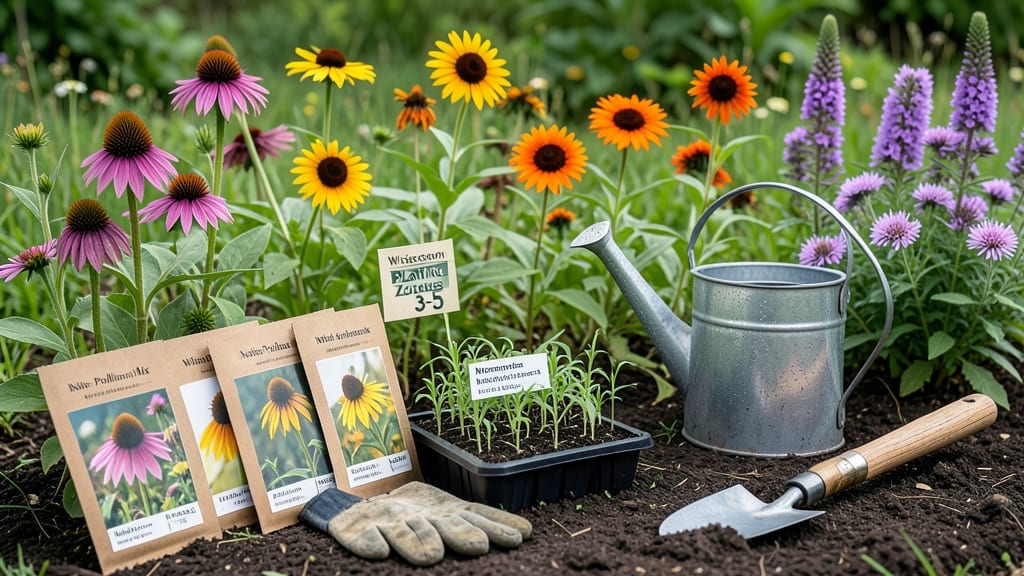
Planting flowers in Wisconsin after your last frost date—typically mid-April in the south and late May in the north—sets the stage for a vibrant garden 🌸.
Wisconsin’s unpredictable spring weather can turn your dream garden into a gamble—unless you know the exact last frost dates by county and hardiness zones to plant flowers successfully.
From hardy perennials like coneflowers to tender annuals such as marigolds, timing matters. Plant too early, and a late frost could wipe out your efforts; wait too long, and you miss the optimal window for root establishment.
Here’s how to pinpoint the perfect time for your region, plus tips to extend the season with row covers and succession planting for a longer, healthier bloom cycle.
Wisconsin last frost dates by county: when to plant flowers safely
Wisconsin’s last frost dates vary dramatically by county, making it critical to time your flower plantings correctly. In Zone 3 (northern WI), frost lingers until May 15–June 1, while Zone 5 (southern WI) sees frost-free conditions by April 20–May 1.
These differences mean annual flowers like marigolds or petunias must wait weeks longer in the north than in the south.
For perennials, the window is broader—planting in spring (after frost) or early fall (6 weeks before first frost) works best. But tender annuals like impatiens or geraniums need to wait until soil warms to 60°F (15°C), which often aligns with the last frost date.
Use these county-specific guidelines to avoid frost damage and maximize blooms.
Below is a county-by-county breakdown of Wisconsin’s average last frost dates, paired with USDA hardiness zones and recommended planting windows for flowers. Pro tip: Check your local National Weather Service forecast 1–2 weeks before planting for real-time updates.
🌱
In Zone 4–5 counties like Jefferson or Walworth, you can start hardy annuals like pansies or snapdragons as early as April 15, but wait until May 1 for heat-loving flowers like zinnias or sunflowers.
For northern counties (Zone 3), delay planting until after Memorial Day to avoid frost damage.
Perennials like coneflowers or black-eyed Susans can handle Wisconsin’s first frosts in fall, but tender perennials (e.g., lavender, salvia) need protection or container growing. Use mulch to insulate roots and extend the season by 2–3 weeks.
Pro tip: If you’re eager to garden earlier, try container planting. Pots warm up faster and can be moved indoors if frost threatens. For in-ground plantings, wait until soil reaches 60°F (15°C)—use a soil thermometer to check
Best flowers to plant in Wisconsin by season (cold-hardy vs. tender varieties)
Wisconsin’s diverse climate zones (USDA 3-5) mean some flowers thrive year-round while others need careful timing. Cold-hardy perennials like coneflowers and black-eyed Susans survive Wisconsin winters, while tender annuals such as marigolds and impatiens need protection or later planting.
To maximize blooms, focus on spring planting (after last frost) and fall planting (6-8 weeks before first frost). Southern Wisconsin’s milder winters allow earlier starts, while northern areas must wait until late May or use row covers for delicate varieties.
Spring is ideal for hardy perennials and cool-season annuals like pansies and snapdragons. Summer-blooming annuals (e.g., zinnias, sunflowers) should wait until soil warms to 60°F (15°C)—typically late May in most regions.
Fall planting (August-September) gives perennials time to establish roots before winter, while tender annuals like cosmos and bachelor’s buttons can be sown directly for late-season color.
Here’s a quick reference for Wisconsin’s top flowers by season and frost tolerance:
For northern Wisconsin (Zones 3-4), prioritize hardy perennials like daylilies and bee balm, which survive winters with minimal protection. In southern Wisconsin (Zones 5-6), you can experiment with tender annuals like petunias and geraniums by starting them indoors.
Pro tip: Use row covers for late spring plantings to shield tender varieties from unexpected frosts. Mulch heavily in fall to protect perennial roots during winter.