
Plants
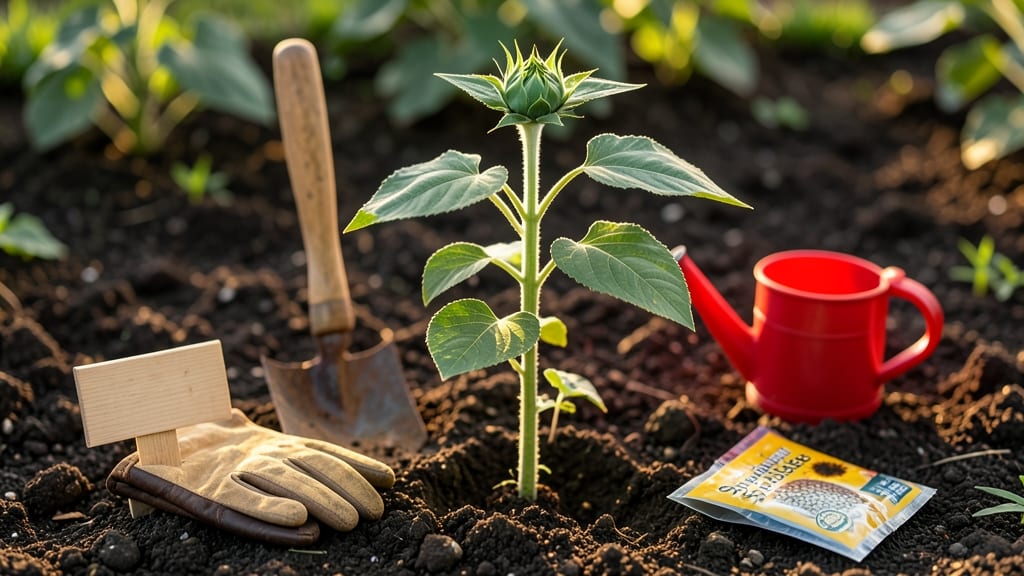
Plant sunflower seeds outside after your last frost date when soil temperatures hit 50–60°F—this is the sweet spot for germination and strong stems.
Sunflowers bring joy to any garden—but planting them too early or late can mean wilting blooms before they even bloom. Timing these giants right ensures towering stems and vibrant faces all season long, and it starts with knowing your zone, soil warmth, and frost-free dates.
In USDA Zone 6a, like much of the Midwest, that window is typically mid-to-late spring, but colder zones (like 3–5) need a head start with pre-sprouting or row covers. Meanwhile, warmer areas (7+) can stretch planting into early summer for a second crop.
Below, I break down the exact frost-free dates by zone, how to test soil temperature, and 5 pro tips to extend your sunflower season—whether you’re in a short-season climate or just eager to see those 12-foot giants rise.
Best planting times by US hardiness zone: frost-free date guide
Sunflowers thrive when planted after the last frost date, but the exact timing varies dramatically across USDA hardiness zones 3-11. In colder zones, you might plant as early as late April, while warm zones can start in February or March.
The key factors are your last frost date and soil temperature—sunflower seeds need soil that's warmed to at least 50-60°F for reliable germination.
Cold snaps after planting can kill tender seedlings, so always check your local frost-free date (available through USDA Plant Hardiness Zone Map or local agricultural extensions). For zones 3-6, wait until mid-to-late May unless you use protective measures like row covers.
Meanwhile, gardeners in zones 8-11 can plant as early as February in some regions, but always confirm with a soil thermometer.
Here’s your zone-by-zone planting guide, including ideal soil temperatures and frost-free windows to maximize sunflower success:
| USDA Zone | Last Frost Date | Ideal Planting Window | Soil Temp (°F) | Notes |
|---|---|---|---|---|
| Zones 3-4 | Mid-May | Late May - Early June | 55-60°F | Use row covers for early starts; choose fast varieties like 'Teddy Bear'. |
| Zones 5-6 | Early May | Mid-May - Late May | 50-55°F | Direct sow after last frost; succession plant every 2 weeks for continuous blooms. |
| Zones 7-8 | Mid-April | March - April | 50-58°F | Can plant as early as February in Zone 8; soil warms quickly in spring. |
| Zones 9-10 | Late January | February - March | 50-60°F | Plant in winter for summer blooms; avoid late plantings if summer temps exceed 90°F. |
| Zone 11 | Year-round (no frost) | Winter or early spring | 55-65°F | Plant in cooler months (Dec-Feb) to avoid heat stress; shade cloth helps in summer. |
For gardeners in zones 3-6, I recommend starting seeds indoors 4-6 weeks before your last frost date if you’re eager for early blooms. Use biodegradable pots to avoid transplant shock when moving seedlings outdoors.
In warmer zones (7-11), you can even plant sunflowers in late summer or early fall for winter blooms, though they’ll mature faster in cooler weather.
Pro tip: If your soil is still chilly but the air is warm, use black plastic mulch to warm the soil faster. Bury the edges to trap heat near the seeds.
This trick can shave 1-2 weeks off your planting timeline in transitional zones like 6-7. Always test soil temperature at 1-2 inches deep—that’s where your seeds will be germinating.
Remember, sunflowers grow fast—some varieties reach 10 feet in 80 days! Planting too late in the season can mean bolting before flowering, so aim for a harvest window that avoids your first frost.
In zones 3-5, this might mean succession planting every 2 weeks from May through July to enjoy sunflowers all summer long.
One common mistake is relying on air temperature instead of soil temperature. A warm May day might fool you into planting early, but if the soil is still below 50°F, your seeds will rot.
Always check with a soil thermometer—they’re inexpensive and save you from wasted seeds. For a quick test, press your finger into the soil; if it feels cooler than your wrist, wait a few more days.
Finally, consider your sunflower variety when timing plantings. Dwarf varieties like 'Moulin Rouge' mature in 60 days and can handle later starts, while giant varieties like 'Russian Giant' need 120 days and should be planted as early as possible.
Match your variety to your zone’s growing season for the best results.
With these zone-specific guidelines, you’ll be well on your way to a sunflower sea of joy—just in time for summer’s longest days. Happy planting! 🌻
How soil temperature affects sunflower germination: when it’s Really Safe
While air temperature guides frost risk, soil temperature determines whether your sunflower seeds will germinate at all. Seeds need warmth to activate enzymes that break down stored nutrients—something cold soil simply can’t provide, no matter how sunny it is outside.
Sunflower seeds typically require soil temperatures between 50–60°F to sprout reliably. Below 50°F, germination slows dramatically, and seeds may rot before breaking through the soil. Above 60°F, they’ll sprout faster—but too-hot soil can dry out too quickly, leaving seedlings vulnerable.
Here’s the catch: Soil warms slower than air, especially in spring. A 70°F afternoon might feel perfect, but your garden bed could still be hovering at 45°F just 2 inches down. That’s why checking soil temperature (not just air temp) is your best bet for timing.
⚠️ callout warning
Even if your last frost date has passed, cold soil will kill sunflower seeds. Test your soil at 1–2 inches deep (seed planting depth) with a soil thermometer. If it’s below 50°F, wait at least 7–10 days—seeds won’t germinate until soil warms naturally.
Pro Tip: Use a black plastic mulch for 1–2 weeks before planting to warm the soil faster. Remove it once seeds sprout to avoid overheating.
To test your soil temperature, use a soil thermometer (or a candy thermometer) inserted horizontally at 1–2 inches deep, where seeds will be planted. Check readings in the morning—soil cools overnight, and seeds need consistent warmth to germinate. Aim for 55–60°F for optimal results.
If your soil is too cold, don’t rush planting. Sunflowers are fast growers (60–120 days to maturity), so a delayed start is better than weak, leggy seedlings.
Use this time to prep your beds with compost or a starter fertilizer to give roots a nutrient boost once they do sprout.
Slow germination? It’s often a sign of cold soil or dry conditions. Keep seeds moist (not soggy) and monitor soil temps daily. If seeds take 3+ weeks to sprout, they may have rotted—try again when soil hits 55°F+.
Patience here pays off with stronger stems and bigger blooms later.
Once your soil hits the sweet spot, direct-sow seeds 1 inch deep and 6 inches apart. Thin seedlings to 12–24 inches apart once they’re 4–6 inches tall.
With the right soil warmth, you’ll see sprouts in 7–14 days—proof that timing (and a little soil science) makes all the difference. 🌱