
Flowers
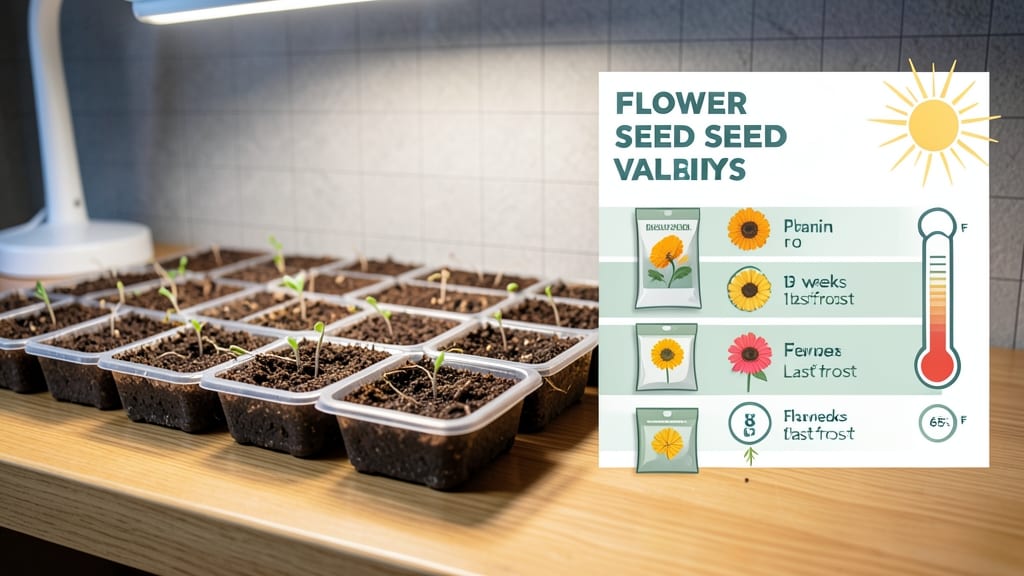
To start flower seeds indoors chart, you need to know the exact timing for your USDA zone and flower type — and this chart makes it effortless.
Timing is everything when it comes to starting flower seeds indoors 🌸 — plant too early, and you’ll face leggy seedlings; too late, and your blooms won’t thrive before summer’s end.
This guide breaks down the exact last-frost dates by plant variety and zone, so you can plan like a pro.
Whether you’re growing petunias that bloom in 60 days or delphiniums that take 120 days, the wrong schedule means wasted effort. I’ll show you how to calculate your personal countdown using seed packet instructions and local frost data, so you never miss a beat.
From avoiding transplant shock to troubleshooting common mistakes, you’ll get a clear, printable timeline tailored to your zone. No more guesswork — just vibrant blooms on schedule.
Last-frost timing chart for flower seeds by zone and variety
Getting your flower seeds indoors at the right time means the difference between a lush summer garden and wasted seed trays. Each plant variety has unique needs, and your USDA zone determines when to start.
For example, zinnias in Zone 5 need a different timeline than foxgloves in Zone 9. This chart aligns your seed-starting schedule with your last frost date to avoid transplant shock and maximize blooms.
Use this guide to calculate your indoor seed-starting window based on your zone and flower type. For instance, petunias and marigolds (fast growers) can wait until 6-8 weeks before last frost, while delphiniums and hollyhocks (slow growers) need 10-12 weeks indoors.
Check your local average last frost date—it varies by 5-10 days even within the same zone.
Below is your zone-by-zone breakdown, organized by flower type. Bookmark this chart for quick reference as you plan your indoor seed-starting schedule. Pro tip: Mark your calendar with the transplant date (usually 2-4 weeks before last frost) to avoid overcrowding in your garden.
| Flower Type | Zone 3-4 | Zone 5-6 | Zone 7-8 | Zone 9-10 | Notes |
|---|---|---|---|---|---|
| Petunias | March 1 - April 15 | March 15 - April 30 | April 1 - May 15 | April 15 - May 30 | Fast grower; transplant after danger of frost. |
| Marigolds | March 15 - April 30 | April 1 - May 15 | April 15 - June 1 | May 1 - June 15 | Tolerates heat; direct sow in warm zones. |
| Zinnias | March 1 - April 15 | March 15 - April 30 | April 1 - May 15 | April 15 - May 30 | Needs full sun; avoid overwatering. |
| Lavender | February 1 - March 15 | February 15 - March 30 | March 1 - April 15 | March 15 - April 30 | Slow grower; transplant carefully. |
| Coneflowers | February 15 - March 30 | March 1 - April 15 | March 15 - May 1 | April 1 - May 15 | Drought-tolerant; full sun required. |
| Foxgloves | January 15 - February 28 | February 1 - March 15 | February 15 - March
How to adjust your seed-starting timeline for early vs. late BloomersNot every flower follows the same schedule—some fast growers like snapdragons and zinnias can wait until 6-8 weeks before last frost, while slow starters like delphiniums and foxgloves need 10-12 weeks of indoor head starts. The key is matching your seed packet instructions with your local frost dates for perfect timing. I’ll show you how to create a personalized countdown that avoids leggy seedlings or missed blooms. Start by checking your USDA zone and average last frost date—this is your anchor point. For example, in Zone 5, last frost typically falls around May 15, while Zone 8 might see it as early as March 1. Once you know your deadline, work backward using the days-to-maturity listed on seed packets. This simple math ensures your flowers bloom when they’re supposed to, not too early or too late. When to Start Flower Seeds Indoors by Variety
Pro Tip: Adjust by 1-2 weeks if your seed packet recommends a different range. For early bloomers, like marigolds or cosmos, you can even start seeds as late as 4-6 weeks before last frost if you’re using a heat mat or grow lights. These varieties are forgiving and can handle shorter indoor periods. Meanwhile, delicate perennials like peonies or lupines often need 14+ weeks to establish strong roots before transplanting. Check seed packets for cold-hardiness notes—some flowers, like snapdragons, can tolerate light frosts and may benefit from a 2-week extension in your countdown. Don’t forget to account for light availability in your timeline. If you’re using a south-facing window, you might push your start date slightly later, but if you’re relying on grow lights, you can begin earlier. I recommend setting up lights 12-16 inches above seedlings for 14-16 hours of light daily—this mimics long summer days and speeds up growth. Without enough light, your seedlings will stretch toward the window, becoming weak and prone to disease. Once you’ve calculated your start date, mark it on a calendar or seed-starting journal. Include reminders for hardening off (acclimating seedlings to outdoor conditions) 7-10 days before transplanting, and note any soil temperature requirements. Some flowers, like lupines, need cool soil to germinate, while others, like geraniums, prefer warmth. These small details can make the difference between thriving blooms and wasted effort. Finally, keep a seedling growth log to track progress. Note when you sow seeds, when they sprout, and when they develop their first true leaves. This helps you refine your timeline for next year. For example, if your delphiniums took 14 days longer than expected to sprout, adjust your start date accordingly. With practice, you’ll develop a personalized schedule that ensures your garden bursts into color at the perfect time. |