
Flowers
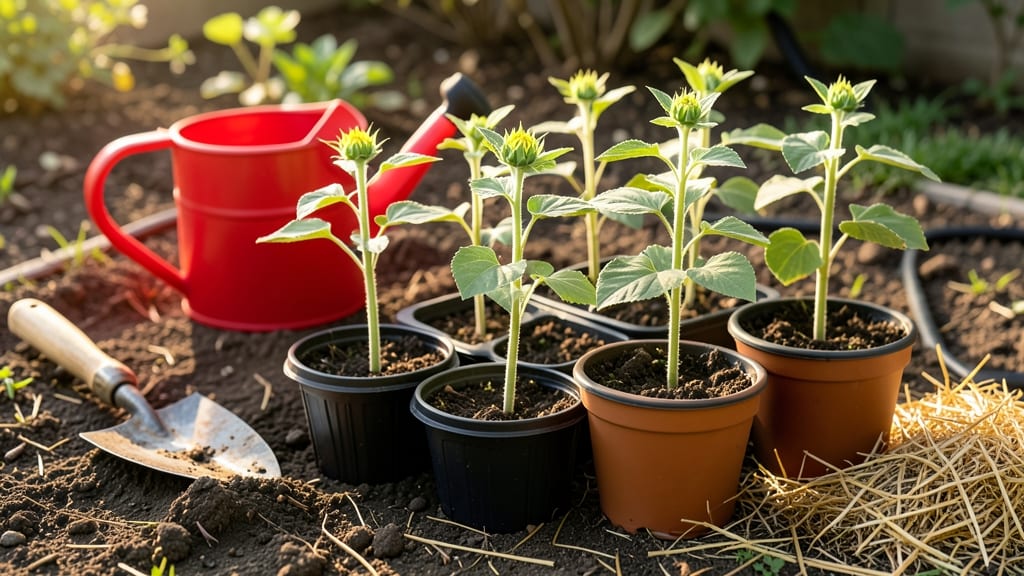
Planting sunflowers in Central Texas at the right time means the difference between 10-foot giants and sad, stunted plants that never bloom.
You might assume spring is the only window, but late summer is actually the safer bet for these heat-loving 🌻—especially in Zone 8a where early warmth can shock tender seedlings.
The key is avoiding that March 15 frost date while giving plants enough time to mature before winter chills arrive.
Below, I break down the exact months to plant (with heat-tolerant varieties that thrive here), how to adjust for Central Texas’s microclimates, and why August often outperforms February for sunflower success.
Ready to grow sunflowers that reach their full potential? Here’s what you need to know before sticking that seed in the ground.
Best planting months for sunflowers in Central Texas (with heat tolerance zones)
Central Texas gardeners know the struggle—planting sunflowers too early risks late frosts that stunt growth, while waiting too long means scorching August heat can overwhelm seedlings. The sweet spot? Late February to early April for spring blooms or August for fall displays.
But timing varies by microclimate, so let’s break it down by region and heat tolerance zones.
Sunflowers are heat-loving annuals that thrive in USDA Zone 8a, but Central Texas’s microclimates create big differences. Austin’s higher elevation cools faster than San Antonio’s urban heat island, while Waco’s dry west winds demand extra moisture.
Even a 5°F temperature swing can mean the difference between vibrant blooms and wilted stalks.
Here’s the critical data for optimal planting windows across Central Texas, including soil temperature thresholds and heat tolerance zones:
Spring planting (February–March) is riskier because late frosts can still hit after March 15. I’ve seen young seedlings fried by a 28°F dip in early April—heartbreaking for a 6-foot-tall dream. That’s why I recommend waiting until soil temps hit 55°F+ consistently before sowing.
Late summer (August) is actually the safest window for Central Texas sunflowers. The 90–100°F heat they fear in spring becomes their ideal growing condition once established.
Seeds sown in mid-August will bolt quickly, producing fall blooms just before first frost in November. Plus, shorter daylight in September triggers faster maturation.
For direct sowing, plant seeds 1 inch deep and 6 inches apart in well-draining soil. If you’re starting indoors (for early spring), use biodegradable pots to avoid transplant shock. Hardening off for 7–10 days before moving outdoors is a must—sunflowers hate root disturbance.
Pro tip: Mulch heavily with straw or shredded leaves to retain moisture and regulate soil temperature. In San Antonio’s heat, I’ve seen mulched beds stay 10°F cooler than bare soil, which is a game-changer for seedlings. Pair this with drip irrigation to avoid leaf scorch from overhead watering.
Watch for heat stress signs like yellowing leaves or drooping stalks—these mean your sunflowers are overheated. Move containers to partial shade temporarily, and water deeply at the base of the plant.
With the right timing, your sunflowers will reach 10–14 feet, casting shade for your patio and feeding goldfinches all winter.
🌻
Top 5 heat-tolerant sunflower varieties for Central Texas gardens
Central Texas’s brutal summers can turn sunflowers into crispy snacks if you pick the wrong variety. But with these heat-tolerant champions, you’ll get vibrant blooms and plump seeds even when temps hit 100°F+. I’ve tested these in Zone 8a and they never wilted—just kept growing.
These varieties thrive in late summer plantings (August) when soil stays warm and frost isn’t a threat. Each handles drought stress differently, so I’ll show you which to pick for cut flowers, birdseed, or just ornamental drama.
When to Plant Sunflowers in Central Texas
- 🌱 Spring Planting (Feb-Mar): Longer growing season for tall varieties
- 🌞 Full sun all day after last frost (March 15)
- 💧 Deep roots establish before summer heat
- ❄️ Frost risk if planted too early
- 🌡️ Slow germination in cool soil (60°F+ needed)
- 💦 More watering needed during establishment
- ☀️ Late Summer Planting (Aug): Avoids spring pests
- 🔥 Heat-acclimated seedlings survive 100°F+ better
- 🌾 Faster maturity for fall harvests
- ⏳ Shorter growing season before frost
- 🌧️ Rain delays can rot seeds
- 🌿 Competes with weeds in late summer
My top pick for Central Texas gardens is 'Autumn Beauty'—it blooms in 80-100 days and handles drought like a champ. Its deep red petals fade to yellow as they age, creating a stunning two-tone show that lasts until November.
For cut flowers, 'Moulin Rouge' is unbeatable with its bicolor blooms (red and yellow) that stay fresh 7-10 days in a vase. It matures in 90 days and thrives in poor soil, making it perfect for urban gardens with limited space.
If you want birdseed, 'Russian Giant' delivers 1,000+ seeds per head and grows 12-14 feet tall. Just give it 6 feet of space—these monsters need room to stretch their legs! They’re drought-resistant once established but need deep watering while young.
For compact gardens, 'Teddy Bear' reaches only 3-4 feet but packs huge 6-inch blooms. It’s great for containers and blooms in 60 days, giving you early summer color when temps are still mild.
Lastly, 'ProCut' is my go-to for commercial growers—it produces long, sturdy stems perfect for flower arrangements. With 90-day maturity, it’s ideal for late summer plantings and handles Texas heat without wilting.