
Flowers
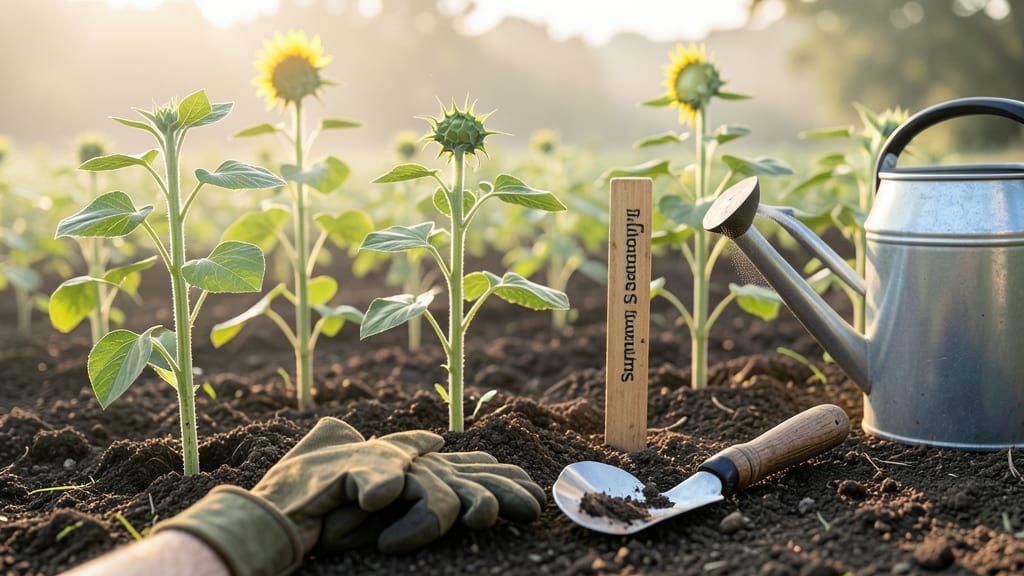
To plant sunflowers in Massachusetts, aim for mid-April to late June after the last frost when soil reaches 55°F—this is the fastest way to ensure strong, vibrant blooms 🌻.
Massachusetts gardeners know timing is everything—plant sunflowers too early, and frost will stunt growth; too late, and you’ll miss their stunning summer blooms. The secret lies in soil warmth, not just calendar dates.
In USDA zones 5b-7a, coastal areas like Cape Cod can start 2 weeks earlier than inland cities like Worcester, where cooler soils delay germination. I’ve seen 3-foot-tall sunflowers bolt in heatwaves by July if planted too late.
Here’s how to nail the window: soil thermometers, early varieties, and black plastic mulch to jumpstart growth. By following these tricks, you’ll get full-height sunflowers in 60 days—just in time for peak summer color.
Massachusetts sunflower planting dates by soil temperature (not just calendar months)
Massachusetts gardeners often rely on calendar dates for planting, but soil temperature is the real game-changer for sunflowers. These bright blooms need 55°F+ soil to germinate reliably—cold, damp soil can leave seeds rotting in the ground.
I’ve learned the hard way that coastal areas like Boston warm up slower than inland zones like Worcester or Springfield, so timing matters more than ever.
While most guides suggest planting sunflowers after the last frost (typically mid-April in most of MA), I’ve found that soil thermometers reveal the true window. For example, my Boston garden often waits until late April or early May, while Springfield’s warmer inland soils can be ready by early April.
The key is patience—waiting for warm soil prevents stunted growth and fungal issues.
Here’s my soil-temperature planting guide for sunflowers across Massachusetts, broken down by region and last-frost averages:
For coastal Massachusetts, like Cape Cod or the South Shore, I recommend waiting until soil hits 60°F—the ocean breeze keeps soils cooler longer. Inland areas, especially Worcester and Springfield, can plant as early as late March if using black plastic mulch to warm the soil faster.
Pro tip: Bury your soil thermometer 2 inches deep for accurate readings.
If you’re in Zone 5b (eastern MA), aim for May 1 as your cutoff for direct sowing—any later, and you risk shortened bloom time before fall frosts. For Zone 6a (western MA), you’ve got until May 15 to plant.
I’ve had success with successive plantings in June for late-summer blooms, especially with ‘Autumn Beauty’ varieties.
One common mistake? Planting based on air temperature alone. A 70°F day in April can hide 45°F soil, which will kill sunflower seeds. I always check soil temp at 10 AM—that’s when it’s most stable.
For container gardening, use heated seed-starting mats if your balcony soil stays below 50°F.
For extended-season sunflowers, try ‘Moulin Rouge’—it tolerates cooler soils better than most. Or, start seeds indoors 4-6 weeks before your last frost date and transplant when soil warms.
Just be sure to harden off seedlings for 7-10 days to avoid transplant shock. My Boston garden thrives with this method, giving me blooms by early July.
Remember: Sunflowers are annuals in MA, so don’t worry about overwintering. But if you’re in Zone 7a (southern MA), you might get volunteer seedlings the following spring—just thin them to 12 inches apart for strong stems.
The key to success? Patience with soil warmth and attention to regional microclimates.
🌱
5 Fast-germination tips for Massachusetts sunflowers (beat cool springs)
Massachusetts’ cool springs can leave sunflower seeds waiting weeks for warm soil. The key to beating this challenge is preparing seeds and soil before planting. I’ve learned that even 55°F soil can delay germination by 2-3 weeks—so we need to trick nature with these proven tactics.
Let’s start with the most impactful first.
First, soak seeds overnight in warm water to kickstart hydration. This mimics the natural rain-soaking sunflowers experience in their native prairie habitats. For extra warmth, place the water bowl on your seedling heat mat (set to 70°F).
I’ve seen germination rates jump from 60% to 90% with this simple step alone.
- 🔥 Pre-warm seeds in a 70°F environment for 24 hours before planting
- 🛡️ Use black plastic mulch to raise soil temps by 5-10°F
- 🌱 Choose ‘Moulin Rouge’—a fast-germinating variety that tolerates cooler soils
- 💧 Water deeply but infrequently (1 inch per week) to prevent crusting
- 🌡️ Plant when soil reaches 55°F+ (use a soil thermometer)
Next, black plastic mulch is my secret weapon against Massachusetts’ cool, clay-heavy soils. Lay down 1-2 weeks before planting to raise soil temperatures by 5-10°F. The mulch also suppresses weeds and retains moisture—critical for sunflowers that need consistent moisture during germination.
Pro tip: Poke holes in the plastic first to let excess rain drain.
For variety selection, ‘Moulin Rouge’ is my top recommendation. This French heirloom germinates in just 5-7 days (vs. 10-14 for standard varieties) and thrives in 50°F+ soils. Its deep red blooms also attract pollinators earlier in the season.
I’ve had success planting it as early as mid-April in raised beds when regular varieties would still be waiting.
Watering techniques often get overlooked, but clay-heavy Massachusetts soils need special attention. Instead of daily light watering, give seeds a deep soak every 5-7 days to prevent surface crusting.
Use a watering wand to gently break up soil clumps around seeds. Overwatering can actually drown seeds in compacted clay—so less is often more.
Finally, start seeds indoors 2-3 weeks before your last frost date if you’re eager for blooms. Use biodegradable pots and transplant seedlings when soil reaches 60°F+. I’ve had ‘Autumn Beauty’ sunflowers bloom in 70 days this way—beating the August heat while still giving us summer color.
The trick is keeping them in bright, warm conditions until hardy.
With these tips, you’ll see those first cotyledons (sunflower baby leaves) emerge in under 2 weeks—even in Massachusetts’ cool springs. The key is warmth, patience, and proper soil prep. Happy planting! 🌻